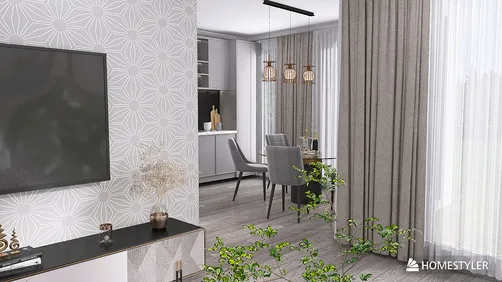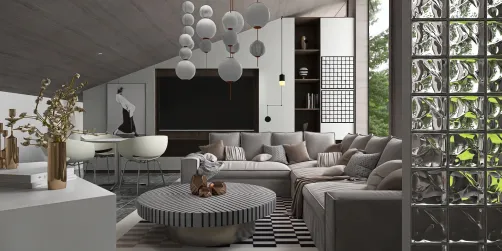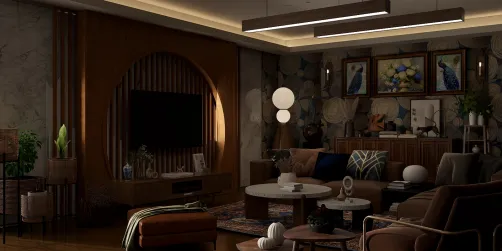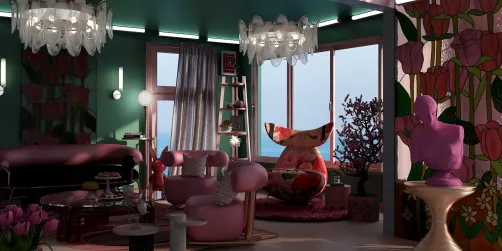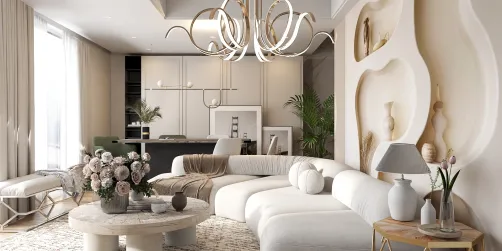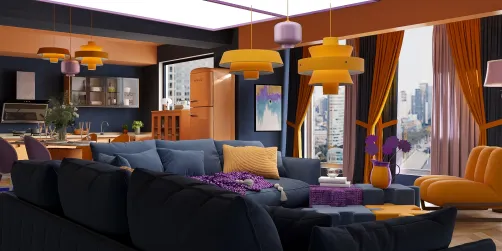
With over a decade of experience in interior design, I’ve observed how living room shelving can truly showcase one's personality and style. In 2024, the trend is shifting towards curated minimalism, combining functional storage with stylish displays. Interestingly, smaller spaces can inspire grand creative designs — and shelves are one of my preferred canvases. Below, I’ll present 10 unique ideas for decorating shelves that merge my firsthand insights with expert advice from reputable sources.
1. Minimalist Display with Breathing Space
My Perspective: After downsizing my living area, I realized that overcrowding shelves can diminish the perceived size of a room. Leaving some areas vacant among your items fosters a serene visual flow.
Benefits: This approach promotes an airy, organized atmosphere; harmonizes beautifully with neutral color schemes; and accentuates the sleek lines characteristic of Scandinavian-style shelving.
Drawbacks: Those favoring a ‘collected over time’ aesthetic might find it too sparse.
Advice: Begin with your preferred items, then remove one or two to allow them room to stand out.
2. Combine Vertical and Horizontal Stacks
My Insight: I enjoy breaking the uniformity by arranging some books horizontally while others are vertical. This method produces a dynamic ambiance reminiscent of a library infused with art gallery charm, introducing varying heights for improved visual composition.
Advantages: This technique heightens visual engagement; allows for decorative objects to be placed atop stacks; and is particularly effective in minimalist living room settings where balance is essential.
Disadvantages: Without thoughtful color coordination, it could appear cluttered.
Tip: Keep book spines within a consistent color range for a cohesive look.
3. Add Greenery
My Take: Introducing plants, whether cascading pothos or petite succulents, instantly softens shelving lines.
Benefits: Injects life and vibrancy; enhances air quality based on findings from the NASA Clean Air Study; and can be refreshed seasonally.
Drawbacks: Requires care; some plants may stain shelves if overwatered.
4. Utilize Art as a Layer
My Approach: I frequently lean framed art or photographs against the wall behind other objects — this technique eliminates the need for nails. It provides depth and an effortlessly curated appearance.
Benefits: It offers flexibility for swaps; renters can appreciate this; and it quickly personalizes the space.
Drawbacks: Limited effectiveness on shallow shelves; an excessive number of frames can overwhelm the display.
5. Experiment with Color Blocking
My Thought: Grouping items by color — such as an array of blue ceramics — gives even the most mismatched objects a curated feel.
Benefits: This strategy fosters visual harmony; transforms everyday items into striking statements; and is simple to update with minor changes.
Drawbacks: May restrict your ability to incorporate new pieces that don't fit the established palette.
6. Incorporate Different Textures
My Opinion: I appreciate the contrast of smooth glass vases with rough wood sculptures and woven baskets. This interplay of textures enriches the visual appearance.
Benefits: Adds tactile interest; reflects a well-traveled, eclectic style; and is particularly striking against matte walls.
Drawbacks: Excessive conflicting textures can lead to a chaotic look without a unifying element.
Tip: Ensure balance by repeating a specific texture at least twice on the shelf.
7. Introduce Task Lighting
My View: Utilizing LED strip lighting or mounted spots not only illuminates objects but also creates an inviting atmosphere in the evenings.
Benefits: Adds drama; perfect for reading corners; and energy-efficient lights have a longer lifespan.
Drawbacks: May necessitate wiring or battery replacements; wrong placement could cause glare.
Example: I once employed warm LED strips in a client’s oak shelves, enhancing the wood grain beautifully—a trick I endorse for warm-toned living spaces.
8. Highlight Personal Collections
My Belief: Whether showcasing vintage cameras or ceramic mugs, personal collections narrate your unique story.
Benefits: Infuses character; encourages conversation; and truly personalizes a space.
Drawbacks: Requires maintenance; poorly spaced items can appear cluttered.
9. Incorporate a Statement Sculpture
My Insight: A single remarkable piece can anchor the entire shelf design — I once prominently featured a white marble bust to striking effect.
Advantages: Creates a focal point; pairs well with minimalist settings; and draws the viewer’s gaze.
Disadvantages: It may overpower smaller surrounding items.
10. Blend Open and Closed Storage
My Perspective: Integrating baskets or boxes within open shelves conceals clutter while sustaining a cohesive design flow.
Benefits: Keeps everyday items out of sight; offers textural variation; and is ideal for family spaces or areas with heavy foot traffic.
Drawbacks: Might pose challenges in recalling the contents without labels.
Tip: Neutral-toned boxes maintain cohesiveness; I’ve seen this approach work exceptionally well when paired with clever storage plans utilizing tools like Homestyler.
Conclusion
Styling your living room shelves centers on creating a composition that mirrors your identity, rather than filling every nook and cranny. Even compact spaces can benefit from smart design decisions, making shelves both functional and visually appealing — proving that restrictions can spark creativity. As noted by Architectural Digest, intentional styling can significantly enhance a room's atmosphere. Which of these ten ideas are you eager to implement first?
FAQ
Q1: What are the current trends for decorating living room shelves?
Key 2024 trends for living room shelving include mixing materials, adding greenery, and embracing curated minimalism.
Q2: How can I decorate shelves while avoiding clutter?
Focus on leaving breathing space, grouping items by color or style, and limiting each shelf to a select few focal pieces.
Q3: Should my shelving style match my living room furnishings?
A complementing style is preferable to an exact match; contrasts can enhance visual interest and depth.
Q4: Can plants really enhance living room shelves?
Definitely; research like the NASA Clean Air Study indicates that plants can improve both mood and air quality.
Q5: What are the best strategies for styling small living room shelves?
Opt for minimalist displays, multi-functional items, and vertical layouts to optimize space.
Q6: Is it acceptable to mix storage types on the same shelf?
Yes, combining open and closed storage enhances versatility and minimizes clutter, particularly in smaller apartments.
Q7: How often should I refresh my shelf decor?
Changing decor seasonally is ideal; it keeps the space feeling vibrant without becoming labor-intensive.
Q8: Can I style shelves without making holes in the wall?
Absolutely — consider leaning art, using freestanding decor, and exploring portable shelving units for greater flexibility.
Homestyler is your go-to online home design platform, perfect for both newbies and pros. With its easy-to-use design tool, stunning 3D renderings, extensive project library, and helpful video tutorials, transforming your space has never been easier or more inspiring!