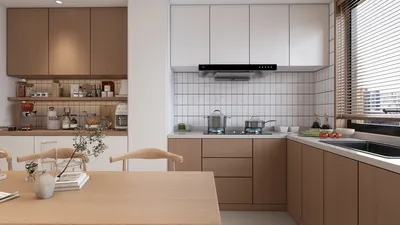


With over a decade of experience as an interior designer, I've witnessed the rise of teal as a focal point in numerous living rooms, ranging from compact studio lounges to expansive family areas. Currently, there's an emerging trend toward color confidence, and teal's adaptability makes it a standout choice in both minimalistic and maximalist homes. Small areas can inspire substantial creativity, and today, I’m excited to share my top 10 teal decorating ideas for living rooms, blending personal insights with expert design strategies, all while showcasing how Homestyler can help visualize these concepts.
1. Teal Accent Wall for Depth
Personal Insight: I once enhanced a rental apartment by painting one wall in a deep shade of teal — this transformation instantly enriched the space without overwhelming it.
Benefits: A teal accent wall introduces depth and warmth, serving as a captivating focal point, especially in smaller living rooms. The Pantone Color Institute notes that shades like teal can promote feelings of tranquility and concentration.
Drawbacks: If other décor elements are also dark, it could create a sense of constriction. It’s vital to test color swatches before making a commitment.
2. Combining Teal with Brass Elements
Personal Insight: During an open-plan project, I beautifully paired teal upholstery with understated brass lamp bases — the end result felt both timeless and luxurious.
Benefits: Brass details harmonize with the cool undertones of teal, adding a glamorous touch; this works particularly well in smaller living spaces where details are essential.
Drawbacks: Excessive metallic elements can make a room appear overdone; balance is crucial.
Tip: For a sophisticated modern aesthetic, consider integrating teal and brass combinations to create a curated ambiance effortlessly.
3. Teal Sofa as a Focal Point
Personal Insight: I assisted a client in selecting a velvet teal sofa for her compact loft, which became the cornerstone of her entire décor.
Benefits: A teal sofa instantly captures attention, allowing you to keep other furnishings neutral while still offering a stylish focal point.
Drawbacks: Larger bold-colored furniture pieces can be costly to replace if your design preferences evolve.
4. Layering Teal Fabrics
Personal Insight: By layering teal cushions, throws, and rugs of different shades, I created texture and warmth without monotony.
Benefits: This method is both renter and budget-friendly; you can combine deep teal with lighter turquoise to add dimensionality.
Drawbacks: Mixing too many shades without a neutral base can lead to a chaotic appearance.
5. Teal and Natural Wood Harmony
Personal Insight: One of my favorite pairings is teal walls or furniture set against warm oak shelving, which creates an inviting contrast.
Benefits: Wooden tones soften the coolness of teal, grounding the overall feel of the space.
Drawbacks: An abundance of bulky wooden furniture might compromise the sense of space in a smaller room.
6. Teal Rugs to Define Areas
Personal Insight: In a spacious apartment, I strategically used a patterned teal rug to visually differentiate the living area from the dining zone.
Benefits: Teal rugs can stabilize a layout, particularly in multifunctional spaces.
Drawbacks: Maintaining rugs can be challenging in high-traffic family rooms.
7. Teal Art as a Color Connector
Personal Insight: Abstract art featuring hints of teal enabled me to unify mismatched furniture in one client's home.
Benefits: Artwork introduces teal in a low-commitment way — ideal for experimenting with the color before investing in larger furniture pieces.
Drawbacks: Sourcing teal artwork that resonates with you may require time and financial flexibility.
Tip: Explore collections that showcase bold colors for inspiration in your palette, akin to the statement wall art prevalent in modern interiors.
8. Teal with Monochrome Accents
Personal Insight: Combining teal with black and white graphics establishes a crisp, gallery-like atmosphere.
Benefits: This combination is particularly effective in contemporary or Scandinavian-style living rooms.
Drawbacks: The look can appear stark if not complemented by warmer textures to soften the overall aesthetic.
9. Teal Built-In Shelving
Personal Insight: I recently designed built-in shelves in a muted teal to frame a media center — merging functionality with beauty.
Benefits: Built-ins optimize storage while seamlessly incorporating color; they can also enhance property value.
Drawbacks: Permanent features like built-ins can restrict future color modifications.
Tip: Plan for custom shelving to enhance space efficiency before finalizing built-ins.
10. Teal with Indoor Plants
Personal Insight: Vibrant greenery stands out beautifully against teal backgrounds — I frequently place fiddle leaf figs or trailing pothos behind teal sofas.
Benefits: Incorporating plants brings vitality and movement to the room; they also improve air quality and visual comfort.
Drawbacks: Plants require ongoing care; artificial plants won’t provide the same refreshing effect.
Conclusion
Creating a teal living room isn’t about making a bold statement — it’s about smartly using color placement and balance. Small living areas often flourish from thoughtful design rather than excess. As color expert Leatrice Eiseman aptly puts it, teal serves as "a bridge between tranquil blues and renewing greens." Which of these ideas would you like to experiment with in your own space? Homestyler can assist you in visualizing these concepts beautifully.
FAQ
Homestyler is your go-to online home design platform! With its user-friendly design tool, stunning 3D renderings, diverse design projects, and helpful video tutorials, transforming your space has never been easier. Unleash your creativity and start designing your dream home today!
Дизайн сейчас бесплатно
































