In recent years, open-concept living—particularly the integration of kitchens and living rooms—has transitioned from a fleeting trend into a staple of modern lifestyle. Compact spaces ignite innovative design ideas, and through my experiences, I have observed that a thoughtfully arranged kitchen-living room combo can create an illusion of expansiveness in a small apartment. Here, I’ll share ten inspiring kitchen-living room combination ideas that have resonated well with my clients, blending personal insights with professional expertise, particularly through platforms like Homestyler.
1. Sleek Minimalist Storage Solutions
Personal Insight: A project I undertook involved reimagining a 35m² apartment where the client aspired to a neat and uncluttered environment. By incorporating slim cabinets with integrated handles, we ensured an elegant flow from the kitchen to the living area.
Advantages: This setup enhances the feeling of space, conceals small appliances, and aligns with a minimalist design principle. According to the NKBA, implementing hidden storage can increase kitchen efficiency by as much as 30%.
Disadvantages: Custom cabinetry can be costly, and maintaining a tidy look requires discipline.
Recommendation: For styling ideas, consider an exemplary minimalist kitchen storage design that effortlessly transitions into a living space.
2. Glass Backsplash for Enhanced Brightness
Personal Insight: In a compact loft, I installed a glass backsplash behind the cooktop, effectively enhancing light reflection throughout the area and simplifying clean-up.
Advantages: It reflects natural light, thereby making both the kitchen and living room appear larger, and the smooth surface is low maintenance.
Disadvantages: It can easily show fingerprints and smudges—regular cleaning is essential.
Recommendation: Choose low-iron glass for a clearer, more stylish appearance.
3. L-Shaped Layout for Additional Counter Space
Personal Insight: For a small family condo, we opted for an L-shaped kitchen design, freeing up a wall for storage options in the living area.
Advantages: This layout maximizes corner space, provides ample preparation areas, and promotes flexible movement between the two areas.
Disadvantages: Without careful planning, it might lead to an unutilized ‘dead’ corner without pull-out storage or lazy susans.
Recommendation: Learn how an L-shaped kitchen can optimize counter space in open layouts.
4. Infusing Warmth with Wood Accents
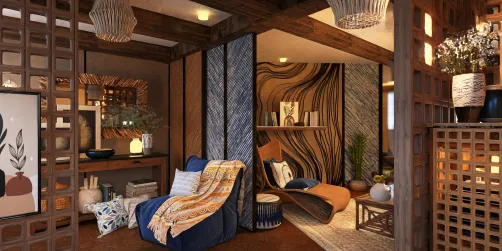
Personal Insight: I appreciate the warmth wood brings to combined spaces; it connects the inviting atmosphere of the living room to the functionality of the kitchen. For example, I once incorporated oak shelving that unified the overall design beautifully.
Advantages: Wood adds warmth and texture, is durable over time, and complements numerous color schemes.
Disadvantages: In cooking areas, it necessitates periodic sealing to prevent stains.
Recommendation: Maintain visual coherence by using matching wood tones for shelves, coffee tables, and bar stools.
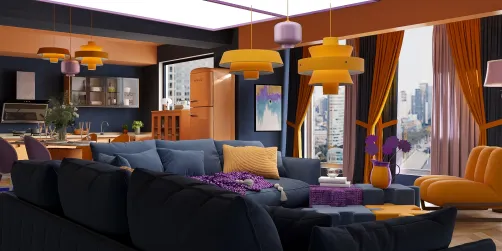
5. Eye-Catching Lighting Above the Island
Personal Insight: I find that pendant lights above a kitchen island or peninsula can distinctly define areas in a combo space. In one of my projects, oversized matte black fixtures made a significant impact.
Advantages: Such lighting not only separates functional areas but also enhances design aesthetics and improves task lighting.
Disadvantages: It might require additional ceiling reinforcement or wiring adjustments.
6. Multi-Functional Island with Seating Options
Personal Insight: In a micro-apartment of 28m², we developed a compact island that performed as a dining table, storage space, and food preparation area.
Advantages: Maximizes usability in limited spaces, creates a communal area, and provides storage for kitchen essentials.
Disadvantages: If not appropriately sized, it can overwhelm a small room.
Recommendation: Ensure 60–70 cm of space per person for comfortable seating.
7. Coordinated Color Palettes
Personal Insight: Synchronizing kitchen cabinetry with living room wall colors instantly created a sense of cohesion in one of my designs.
Advantages: This approach blurs spatial boundaries, resulting in a serene, unified environment.
Disadvantages: Overly uniform colors can feel bland; introduce accents for visual interest.
8. Utilizing Vertical Storage Solutions
Personal Insight: In narrow apartments, I frequently extend cabinets to the ceiling, utilizing slim ladders for access.
Advantages: This design maximizes storage for seldom-used items, keeping visual clutter at bay.
Disadvantages: Requires a stool or ladder for access, making daily use less convenient.
9. Sliding or Pocket Doors for Versatility
Personal Insight: For those clients desiring occasional separation, I’ve installed sliding glass or pocket doors between the kitchen and living spaces.
Advantages: Provides flexibility to either open up or divide spaces, helpful for noise reduction as required.
Disadvantages: May involve additional costs and necessitates sufficient wall space for installation.
Recommendation: Lightweight frosted glass panels can maintain privacy while allowing natural light to flow through.
10. Defining Zones with Rugs and Furniture Arrangements
Personal Insight: I believe rugs serve as effective tools for demarcating ‘living’ areas within a combined room—one client's patterned rug beautifully anchored their seating arrangement.
Advantages: Creates clear visual zones without construction interference, and is simple to change.
Disadvantages: Requires regular cleaning in high-traffic areas.
Recommendation: Explore how AI-powered interior design tools like Homestyler can help select the ideal rug pattern for open living spaces.
Conclusion
Designing an open-plan kitchen and living area isn’t about restrictions; it’s about making intelligent decisions that enhance functionality. The American Society of Interior Designers emphasizes that multi-functional spaces are essential for contemporary living. Which of these innovative ideas will you implement first?
FAQ
1. What is the primary benefit of a kitchen-living room combo?
It fosters an open and connected environment that feels larger while encouraging interaction between cooking and living spaces.
2. How can I create a more spacious feel in a small kitchen-living room combo?
Utilize natural light, maintain a consistent color scheme, and select multi-functional furniture pieces.
3. Are kitchen-living room combos suitable for families?
Definitely, especially with well-defined areas for cooking, dining, and relaxation.
4. What lighting works best in kitchen-living room combos?
A layered approach—incorporating ambient, task, and accent lighting—ensures the space remains practical and inviting.
5. Is it possible to have different flooring in the kitchen and living areas?
Yes, but maintain similar tones to ensure continuity, or use rugs for gentle separation.
6. How can I manage cooking odors in a combined space?
Invest in a top-quality range hood; Consumer Reports recommends units with a minimum of 300 CFM for compact areas.
7. Will an L-shaped combo function well in a long narrow room?
Yes, with careful arrangement and possibly adding a slim island or peninsula for additional counter space.
8. Can technology assist in designing my combo area?
Certainly—tools such as 3D room planners help visualize layouts before making final decisions.
Homestyler is your go-to online home design platform! With its user-friendly design tool, stunning 3D renderings, and a wealth of DIY video tutorials, you can effortlessly create and visualize your dream space. Perfect for both beginners and seasoned designers alike!