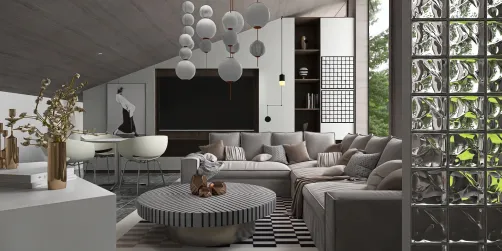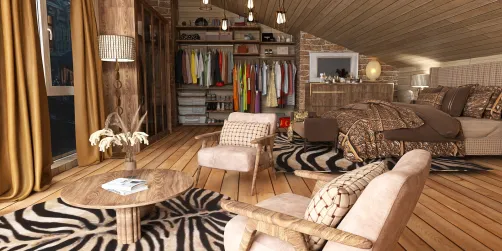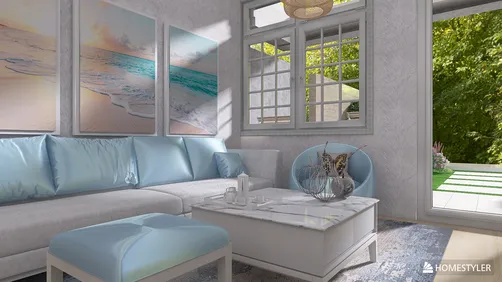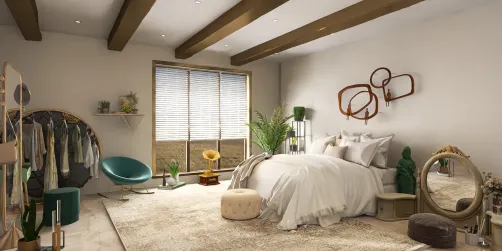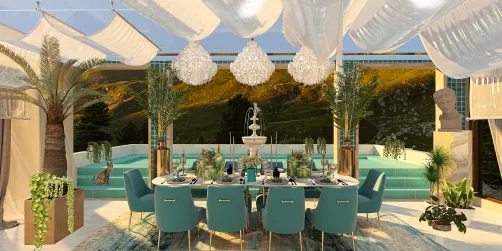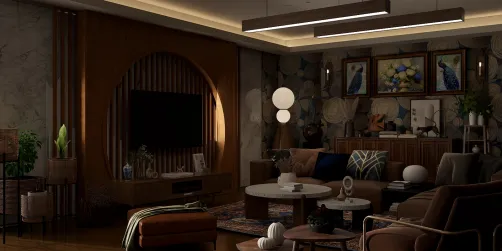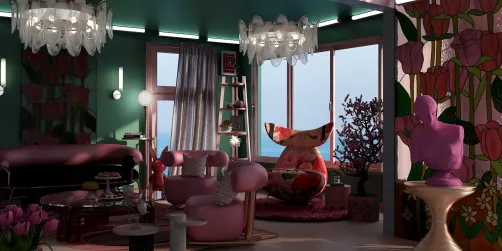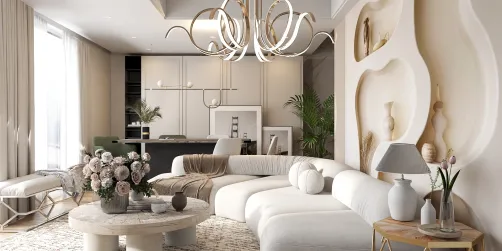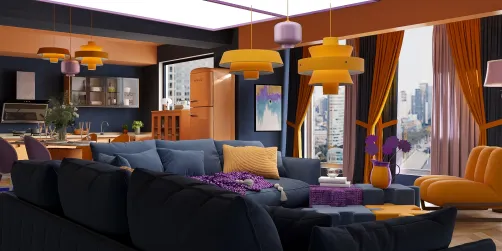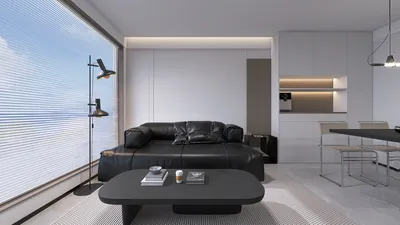
As an experienced interior designer with over ten years in the field, I've watched trends such as mirrored walls dramatically alter the ambiance of living spaces. This design trick is particularly effective in smaller rooms, where limited square footage invites us to exercise greater creativity. In this article, I will present ten innovative mirrored wall ideas for living rooms that merge my real-life experiences with expert recommendations, helping you craft a space that feels larger, lighter, and distinctly yours, all while considering tools like Homestyler for planning.
1. Full-Length Mirrored Wall Panels
My Experience: In one narrow apartment, I installed full-height mirrors along a wall — it instantly felt twice as spacious. Visitors often inquired if we had removed a wall.
Advantages: These panels enhance natural light and create an open atmosphere, especially suitable for modern living rooms decorated with minimalist furnishings.
Drawbacks: Installing large mirrors can be cumbersome and labor-intensive, and they may require more frequent cleaning due to visible fingerprints.
Tip: For a polished look, ensure the panels align seamlessly without any visible gaps— a technique I’ve admired in upscale showrooms.
2. Antique Finish Mirror Panels
My Experience: In a Parisian-inspired living room transformation, I incorporated antique mirrors for a softer and more romantic ambiance. The patina effectively concealed smudges — a definite plus!
Advantages: They introduce vintage elegance and texture while minimizing excessive light reflection, creating a balanced atmosphere.
Drawbacks: Antique mirrors can be more expensive than plain glass options and may be harder to find.
3. Mirrored Fireplace Surround
My Experience: Framing a minimalist fireplace with mirrors in one of my projects resulted in understated elegance and a unique focal point.
Advantages: Mirrors brilliantly reflect the flickering firelight, enhancing depth and ambiance within the space.
Drawbacks: Custom cutting may be necessary, which can lead to increased expenses.
Looking for inspiration? Consider minimalist fireplace wall designs that integrate mirrors seamlessly.
4. Floor-to-Ceiling Mirror Strips
My Experience: I frequently utilize narrow mirror strips to visually heighten low-ceiling apartments. Clients appreciate the sense of elongation they provide.
Advantages: These strips create a sleek vertical emphasis without overwhelming the room. They work particularly well behind vertical lighting fixtures.
Drawbacks: Precision during installation is crucial; misaligned strips can be unsightly.
5. Mirrored Sliding Doors
My Experience: In one renovation, I swapped traditional cabinet doors for sliding mirrored panels — it significantly enhanced the perception of space and appeal for storage.
Advantages: They serve multiple purposes; combining storage solutions with light reflection makes them ideal for compact urban residences.
Drawbacks: Fingerprints can quickly accumulate on the surface; regular upkeep is required for smooth operation of the sliding tracks.
6. Grid-Pattern Mirrored Wall
My Experience: Drawing from industrial loft styles, I placed black metal frames over mirror panels, which added structured elegance to an otherwise simple wall.
Advantages: This approach provides character and visual interest while maintaining the reflective qualities of mirrors.
Drawbacks: Accurate measurements are essential for this design, and custom pieces can be costly.
When planning your layout, incorporating a grid-pattern mirrored feature wall with tools like Homestyler can ensure better proportions.
7. Mirrored Niche or Shelf Backing
My Experience: Installing mirrors at the back of shelves is one of my favorite tricks; it creates a depth illusion and elevates displayed items.
Advantages: This simple update offers significant visual impact and is perfect for showcasing collectibles.
Drawbacks: Dust can be more visible on mirrors, requiring regular cleaning.
8. Angled Mirror Installations
My Experience: Slightly tilting mirrors can direct light to dim corners, a technique I learned from the hospitality sector.
Advantages: This method optimizes light distribution and introduces intriguing reflections throughout the space.
Drawbacks: Positioning must be handled carefully to avoid uncomfortable glare and awkward reflections.
9. Mirrored Ceiling Panels
My Experience: I once used mirrored squares above a seating area for a dramatic effect — it instantly transformed the room into a chic lounge atmosphere.
Advantages: These panels impart a sense of luxury and spaciousness, especially suited for smaller living rooms.
Drawbacks: Overhead installations can be challenging; excessive mirrored surfaces might feel dizzying.
By merging mirrored ceilings with customized lighting designs — perhaps using AI tools like Homestyler — you can create a captivating ambiance.
10. Freestanding Mirrored Screens
My Experience: I often use folding mirrored screens to delineate spaces in open-plan designs — a great solution for renters unable to make structural changes.
Advantages: They are portable, offering a no-installation option while enhancing the depth of any area.
Drawbacks: These screens can be cumbersome to store and may be more fragile compared to fixed mirrors.
Conclusion
Just because a living room is small doesn’t mean it lacks style — it simply requires more strategic and innovative design approaches. Mirrored walls serve as a versatile, light-enhancing element capable of transforming even the coziest of spaces. Research from the American Lighting Association suggests that reflective surfaces can boost perceived brightness by over 30%. Which mirrored wall idea are you excited to implement in your living space?
FAQ
1. Are mirrored walls still fashionable for living rooms?
Yes, particularly in compact areas where light and spatial depth are essential. Contemporary designs tend to favor segmented mirrors rather than large singular sheets.
2. How can you maintain mirrored walls?
Regular dusting paired with a suitable glass cleaner will keep mirrors free of streaks. Microfiber cloths work best to prevent scratches.
3. Can mirrors really make a small living room appear larger?
Absolutely. Studies by the American Lighting Association validate that mirrors enhance light perception and overall spatial depth.
4. What is the most economical mirrored wall idea?
Utilizing mirrored tiles or applying mirrors to the backs of shelves provides an affordable yet impactful upgrade.
5. Are mirrored ceilings practical for living rooms?
They are best suited for accent regions, not covering an entire ceiling, to avoid overwhelming reflections.
6. How do I select the right mirrored wall style?
Consider your overall interior design theme; antique mirrors add vintage allure, while grid patterns lend an industrial flair.
7. Can mirrors enhance natural lighting?
Yes, placing mirrors opposite windows enables daylight to permeate deeper into your living area.
8. Do mirrored walls necessitate special installation?
Large or custom mirrors should generally be installed by professionals for safety and accuracy. If venturing into DIY, opt for lighter mirrored panels.
Discover the power of Homestyler, an exceptional online home design platform! With its user-friendly design tool, stunning 3D renderings, and a wealth of DIY video tutorials, you can effortlessly create and visualize your dream spaces. Transform your home design journey today!