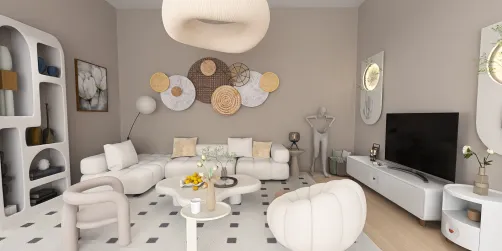
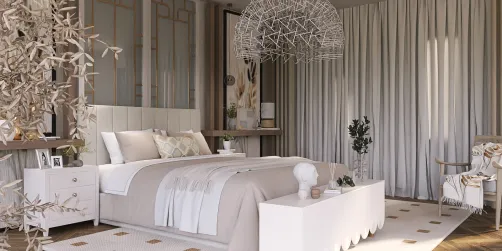
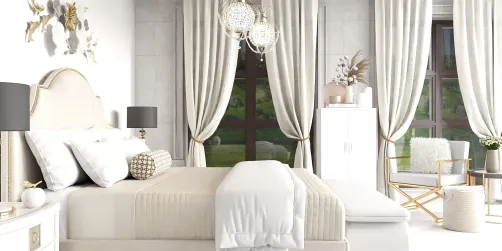
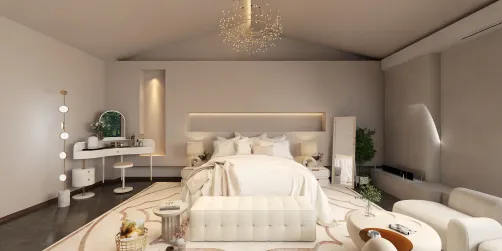
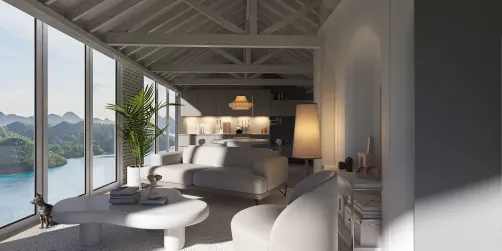
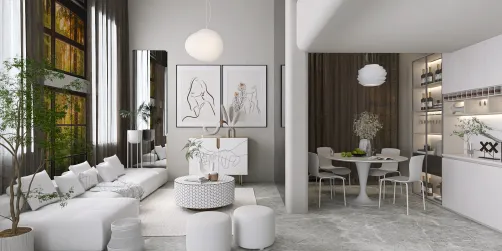
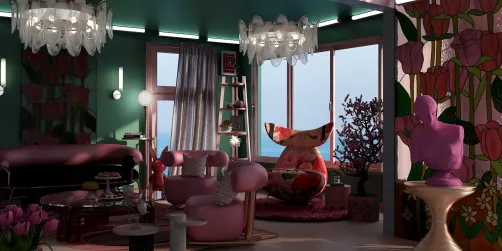
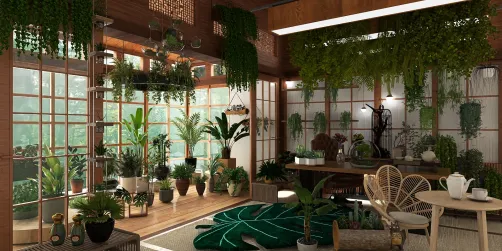
In recent times, designing living rooms that feature a chimney has seen a significant resurgence. Homeowners are discovering that even small spaces can inspire substantial creativity, whether through sleek minimalism or charming rustic styles. Throughout my 12 years as an interior designer, I’ve come to understand that a chimney does more than provide warmth; it serves as a striking focal point that defines the character of the room. Here, I present 10 innovative living room ideas that incorporate chimney features, drawing from both my personal journey and data-supported insights.
1. Minimalist Chimney with Built-in Shelving
My Experience: I once renovated a compact living room in a 20㎡ apartment by framing a slender chimney with custom, floor-to-ceiling shelves. This approach transformed the wall into a heat source as well as a display area for cherished travel artifacts.
Advantages: This design is perfect for optimizing storage in smaller living rooms, visually elongating the wall and combining function with aesthetics. Recent trend reports indicate a 25% increase in requests for integrated chimney shelving on platforms like Homestyler over the last two years.
Disadvantages: Custom carpentry might be required, potentially leading to higher costs; additionally, shelves can accumulate dust quickly if not regularly cleaned.
Tip: Choose adjustable shelving units so you can modify the display as your collection evolves. I recently encountered a minimalist chimney with shelving that maintained elegance while avoiding clutter.
2. Rustic Stone Chimney as a Statement Wall
My Experience: Utilizing a stone fireplace can lend any living room a classic and sturdy ambiance. In one of my cottage projects, I employed reclaimed stone, and its varied texture grounded the space beautifully.
Advantages: Such materials offer high durability and infuse warmth and authenticity into the space, which can elevate resale value according to the National Association of Realtors.
Disadvantages: Heavy materials demand robust structural support and may dominate the room if not balanced with lighter décor.
Tip: Complement stone with expansive windows to mitigate its weightiness and enhance the influx of light.
3. Double-Sided Chimney for Open Concept Spaces
My Experience: In a loft transformation, I introduced a chimney that was visible from both the living and dining areas, effectively becoming the social hub of the home.
Advantages: It establishes a visual and functional link between different areas and provides efficient heating for multiple spaces while acting as a partial room divider.
Disadvantages: This configuration requires careful professional installation and might not be suitable for very small layouts.
Tip: Differentiating finishes on either side of the chimney can subtly delineate zones while enhancing style.
4. Sleek Black Metal Chimney for Industrial Flair
My Experience: For a client enamored with industrial aesthetics, I installed a matte black metal chimney against a backdrop of exposed brick — it was a striking combination.
Advantages: Its compact profile is ideal for modern living rooms with limited space; it pairs well with both neutral and vibrant accents, while also being durable and low-maintenance.
Disadvantages: It can appear stark or cold without the inclusion of soft textures, and might scratch if handled carelessly.
Tip: Layer in textured rugs and cozy cushions to create a more inviting atmosphere.
5. Corner Chimney to Optimize Central Space
My Experience: In a small space, positioning the chimney in a corner allowed for more wall area to be utilized for artwork and furnishings.
Advantages: This design maximizes space efficiency while creating a snug focal point, effectively suited for irregular layouts.
Disadvantages: Design options for corner installations may be limited, and heat distribution could be uneven.
Tip: Arrange seating at angles to integrate the chimney seamlessly into the communal space. I once designed an L-shaped arrangement around a corner chimney that felt naturally welcoming.
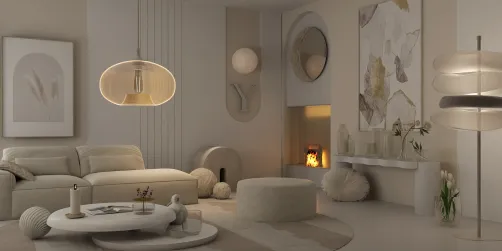
6. Scandinavian White Chimney with Light Wood Features
My Experience: I assisted a young family in Copenhagen in creating a luminous living room, framed by a white plaster chimney and birch accents — exemplifying the hygge philosophy.
Advantages: This design brightens small living areas, with light wood tones providing warmth without heaviness, resulting in a timeless Nordic appeal.
Disadvantages: White surfaces need to be cleaned regularly; light colors can appear flat without visual texture variety.
Tip: Incorporate woven baskets and organic fabrics for a soft, welcoming touch.
7. Chimney with Built-in Seating Area
My Experience: For a client who loved reading, I included a cushioned bench within the chimney alcove, creating the ideal winter reading nook.
Advantages: This setup combines both heating and seating, optimizing small floor plans while adding distinctive custom charm.
Disadvantages: Fire safety considerations are paramount; upholstery may experience fading due to proximity to heat.
Tip: Opt for removable and washable cushion covers for hassle-free maintenance.
8. Mid-Century Chimney with Floating Hearth
My Experience: Implementing a suspended hearth beneath the chimney maintains an open floor layout, offering a timeless and airy mid-century aesthetic.
Advantages: This design fosters visual lightness and eases cleaning underneath it while maintaining classic appeal.
Disadvantages: It may not be the best choice for households with small children and requires skilled installation.
Tip: Enhance the area with bold ceramic tile on the wall to create eye-catching contrast — reminiscent of a retro feature wall project I undertook.
9. Glass-fronted Chimney for Modern Appeal
My Experience: Adding a glass front revitalized a chimney during a renovation of a 1970s home, enhancing both safety and efficiency.
Advantages: Increased safety, cleaner aesthetic lines, and improved heat retention are notable benefits (source: Energy.gov).
Disadvantages: Glass surfaces can become smudged easily and might diminish the traditional 'open flame' atmosphere many people cherish.
Tip: If your budget allows, consider self-cleaning glass options for added convenience.
10. Art-Integrated Chimney Wall
My Experience: In a gallery-themed environment, I designed the chimney wall to serve as a rotating art display featuring magnetic panels — a true conversation starter.
Advantages: This dual-purpose wall encourages regular interior refreshes and serves as a personal style statement.
Disadvantages: It may draw focus away from the chimney itself, requiring careful art placement to prevent heat damage.
Tip: Always maintain a safe distance from flammable materials in accordance with safety regulations.
Conclusion
A small living room featuring a chimney is not a constraint — it’s an opportunity to design innovatively. From blending styles to integrating storage solutions, the possibilities are vast. As highlighted by Architectural Digest, it’s crucial to make the chimney a key feature rather than an afterthought. Which of these ten creative living room concepts, enhanced by Homestyler, would you be excited to explore?
FAQ
1. What’s the ideal chimney design for a compact living room?
Corner chimneys or sleek metal designs are optimal for smaller spaces, saving floor area while also establishing a trendy focal point.
2. How can I emphasize a chimney in the center of my living room?
Surround it with shelving or contrasting finishes to capture attention while smoothly integrating practical elements.
3. Are stone chimneys still fashionable?
Absolutely — natural materials are timeless. In fact, data from Houzz indicates growing interest in rustic stone fireplaces over the last three years.
4. How can I visually balance a hefty stone chimney?
Utilize lighter colors, large windows, or mirrors to help offset the bulk of the stone within the room.
5. What’s the safest method to incorporate seating close to a chimney?
Maintain at least a 1-meter distance from open flames and consider fire-resistant upholstery for built-in benches.
6. How can I keep a glass-fronted chimney in good condition?
Routine cleaning with suitable glass products is essential; Energy.gov recommends checking for soot accumulation monthly.
7. Is it feasible to integrate a chimney into an open-plan layout?
Yes, a double-sided chimney or one with differing finishes on each side can effectively delineate zones while enhancing flow.
8. What’s an economical way to refresh an existing chimney?
Repainting, adding a mantel, or surrounding it with new materials are cost-effective ways to rejuvenate its look.
Discover your dream home with Homestyler! This user-friendly online design platform offers a powerful design tool, stunning 3D renderings, and a wealth of design projects and DIY video tutorials. Transform your space effortlessly and unleash your creativity today!