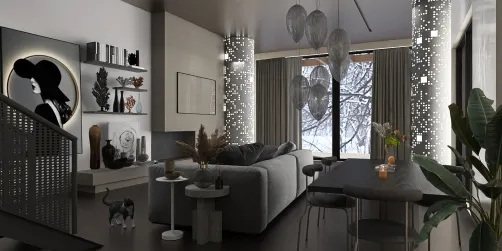
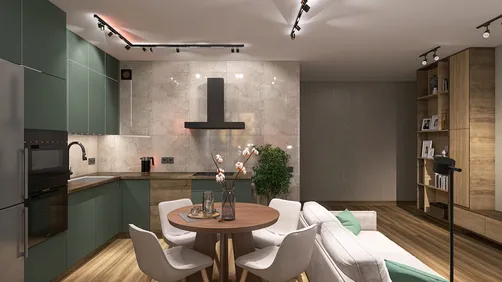
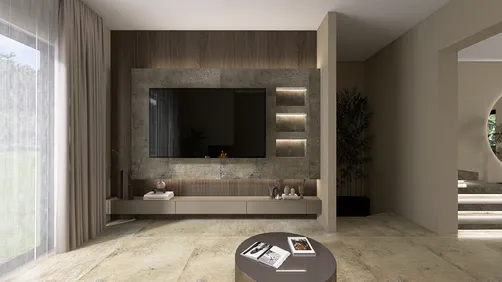
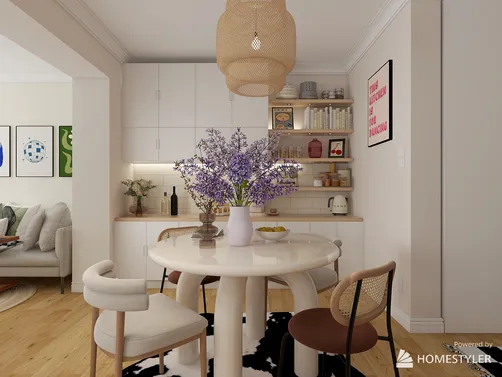
Over time, I've observed a notable evolution in interior design styles — lake house living rooms have transitioned from mere rustic retreats filled with bulky wooden furnishings to spaces that seamlessly incorporate contemporary comfort, practical layouts, and subtle elements that pay homage to nature. I firmly believe that even compact areas like a lake house living room can inspire some of the most innovative design solutions. In this piece, I will unveil ten design concepts that I have personally implemented or suggested, supported by practical experience and expert insights.
1. Streamlined Seating with a Lake View
My Insight: I once worked on a 220-square-foot lake house living room where the seating was strategically positioned to beautifully showcase the water view. With fewer pieces of furniture, the lake was allowed to take center stage.
Advantages: Minimalist arrangements maximize both natural light and panoramic views, effectively addressing common challenges faced by lake house designs through smart furniture distribution.
Disadvantages: In colder months, such setups might feel sparse, particularly if you enjoy a cozy, layered aesthetic.
2. Natural Stone Fireplace as a Focal Point
My Insight: A fieldstone fireplace became a central feature in one client's lake house, with its texture reflecting the natural rocks along the shoreline outside.
Advantages: Provides warmth, durability, and a genuine connection to the surrounding environment.
Disadvantages: The cost of installation can be significant; stone's weight necessitates solid foundations.
3. Open Flow from Living Room to Deck
My Insight: During a recent renovation, we completely opened up the living area to the deck, fostering a seamless indoor-outdoor transition. Guests naturally gravitated toward the lake.
Advantages: Ideal for social gatherings and enhances that effortless lake living experience.
Disadvantages: May require structural modifications; weather-resistant doors can be pricey.
One of my favorite transformations involved using open layouts to integrate the deck with the living space — it fundamentally altered the home’s ambiance.
4. Expansive Floor-to-Ceiling Windows
My Insight: Incorporating full-height windows feels akin to eliminating the boundary between yourself and the lake — I’ve witnessed clients' astonished reactions upon unveiling them.
Advantages: Optimizes light and views; modern glass technology can enhance energy efficiency (Energy.gov).
Disadvantages: Custom glazing requires a sizable investment; managing glare and privacy can be challenging.
5. Inviting Window Seats
My Insight: A built-in seat beneath the window transformed into my personal reading nook at my own lake cabin.
Advantages: Provides informal seating options without occupying much floor area; storage can be cleverly integrated underneath.
Disadvantages: Could obstruct heat sources if situated over radiators; cushions in sunny areas may need frequent cleaning.
6. Warm Wooden Accents
My Insight: Layering oak beams, ash shelves, and walnut tables imparted a classic warmth to one project.
Advantages: Fosters a natural, inviting atmosphere and harmonizes with most color schemes.
Disadvantages: Unique woods can elevate costs; ongoing maintenance is necessary to retain their finish.
We once designed a space with wooden features that mirrored the natural shoreline — it gracefully balanced modern furnishings.
7. Nautical-Inspired Color Schemes
My Insight: In a compact area, utilizing navy, white, and driftwood hues refreshed the room while avoiding a theme-park feel.
Advantages: This palette is timeless and easily updated with accessories; it immediately conveys "lake house" vibes.
Disadvantages: It can become overused if not carefully applied; texture variation is key to prevent a flat appearance.
8. Multi-Layered Lighting
My Insight: For a client fond of evening board games, we integrated a mix of wall sconces, table lamps, and dimmable overhead lighting.
Advantages: Creates an adaptable ambiance suitable for entertaining or relaxing; enhances the function of the room.
Disadvantages: A higher number of fixtures leads to increased bulb maintenance; planning is crucial to conceal cords effectively.
9. Versatile Furniture Solutions for Compact Spaces
My Insight: A sleeper sofa alongside nesting tables once transformed a vacation home’s living room into an additional guest room.
Advantages: Maximizes every square inch; perfect for smaller lake house living scenarios.
Disadvantages: Multi-functional furniture can slightly compromise comfort or visual appeal.
A standout example featured an L-shaped seating arrangement that doubled as storage — both practical and aesthetically pleasing.
10. Lake-Inspired Artwork
My Insight: I commissioned a local artist to depict the actual lake view over the sofa — guests often mistake it for a photograph.
Advantages: Personalizes the interior; supports local artists; reinforces thematic elements.
Disadvantages: Custom pieces may require time and budget considerations; they should be protected against sunlight to prevent fading.
Conclusion
Crafting a lake house living room revolves around centering the view and lifestyle — challenges like limited space can yield even more ingenious solutions. As noted by Architectural Digest, intentional design choices can significantly enhance compact vacation homes. Which of these ten design concepts would you incorporate into your own lake getaway?
FAQ
1. What distinguishes a lake house living room from a standard one?
It typically highlights natural views, materials, and promotes an effortless indoor-outdoor connection.
2. How can I create a spacious feel in a small lake house living room?
Opt for light colors, minimal furnishings, and floor-to-ceiling windows to blur indoor and outdoor spaces.
3. Is wooden furniture essential in a lake house living room?
It's not mandatory, but wood infuses warmth and harmonizes with the natural environment.
4. Are open layouts beneficial for lake houses?
Absolutely; they enhance flow and views, as supported by design studies from Houzz (an example of effective open-concept design).
5. What color palette works best for a lake house?
Nautical shades are popular; however, earthy tones inspired by your lake surroundings are equally appealing.
6. How can I manage glare from large windows?
Consider using light-filtering blinds, solar shades, or well-placed exterior overhangs.
7. Is it feasible to mix modern styles with a rustic lake house aesthetic?
Definitely — merging sleek lines with natural textures produces a balanced appearance.
8. How can I maintain coziness in the winter?
Layer textiles, utilize warm lighting, and think about incorporating a strategically placed fireplace or stove for comfort.
Looking to transform your space? Homestyler offers an intuitive online design tool that makes home design easy and fun. With stunning 3D renderings, a wealth of design projects, and helpful DIY video tutorials, you can effortlessly create your dream home—no experience needed!