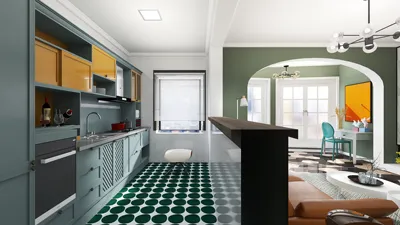
A client once approached me with a unique request: could we create a kitchen peninsula that also served as her cat's dining spot? This sparked my creativity, and I realized that small spaces often inspire the most innovative designs. Over the years, I have come to appreciate how kitchen islands and peninsulas can be transformative when cleverly integrated. Today, I’m excited to present ten of my preferred ideas that have helped turn chaotic kitchens into dream spaces — utilizing tools like Homestyler to visualize these concepts before implementation.
1. Slim Kitchen Island for Limited Spaces
In a compact kitchen, a traditional full-depth island can feel like an obstruction. Opting for a slimmer island design can alleviate this, providing storage underneath and a casual dining area above, all while maintaining an open pathway. I've even created designs using room planning platforms like Homestyler to help clients see the potential flow of their kitchen before we proceed.
2. Peninsula Featuring Built-in Shelves
I once crafted a peninsula for a client who had a passion for cookbooks yet lacked proper storage. The outcome was a breathtaking peninsula complete with shelves facing the dining area, which not only serves as a conversation starter but also keeps the counters tidy—albeit, a small chore to dust off those book spines.
3. Two-Tiered Peninsula Design
Incorporating a raised bar section helps conceal kitchen messes from guests while also providing casual seating. I often experiment with contrasting materials to distinctly separate the preparation area from the serving area, effectively defining spaces within open-plan environments.
4. Versatile Mobile Kitchen Island
A lightweight mobile kitchen island equipped with wheels enhances flexibility, allowing you to adjust its position according to your needs. This is ideal for urban dwellers who need to optimize every square meter; just ensure the flooring can withstand movement without damage.
5. Elegant Waterfall Countertops
This design element does more than aesthetic appeal—extending the countertop down the sides protects cabinetry edges while providing a seamless, luxe appearance. Mid-range quartz materials can replicate the look of marble without the stress of regular stains.
6. Integrated Dining Table with the Island
Attaching a compact dining table directly to an island facilitates easy meal transitions. I have applied this approach in micro-apartments where a separated dining area would feel cramped. Using a free floor planning tool like Homestyler helped me ensure adequate legroom and clearance for dining chairs.
7. Peninsula with Open Display Areas
For those who enjoy showcasing decorative pottery or wine bottles, open shelving on the outer face of a peninsula offers an excellent display opportunity while remaining easily accessible. However, be warned—you might find yourself obsessively curating your collection, as I sometimes do!
8. Dual-Function Island
By incorporating drawers on one side and a wine fridge on the opposite, every inch of space can be maximized for utility. This setup is superb for those who enjoy entertaining, though careful planning for electrical and ventilation is crucial.
9. Peninsula as a Room Divider
In smaller homes, a peninsula can effectively separate the kitchen from the living area without the need for a wall. This design allows for easy social interaction while cooking, all while preserving natural light. I often add extended countertop overhangs for cozy coffee spots and visualize these designs in advance using kitchen layout planners like Homestyler.
10. Floating Effect Island Design
Recessing the toe kick and installing under-cabinet lighting creates the illusion of a floating island, adding a sense of spaciousness to the kitchen. It’s a detail clients find appealing, though precise electrical planning is essential to achieve a clean, uncluttered finish.
FAQ
Q1: What distinguishes a kitchen island from a peninsula?
A kitchen island is a freestanding structure accessible from all sides, whereas a peninsula is connected on one side to walls or cabinets.
Q2: Is it possible to fit an island in a small kitchen?
Yes, but it’s important to ensure there is 36–42 inches of clearance around it to allow for easy movement.
Q3: Which is generally more cost-effective, an island or a peninsula?
Typically, peninsulas are more economical due to their lesser material requirements and shared utilities with existing cabinetry.
Q4: What should be the width of a kitchen island?
An island is generally 24–48 inches wide, depending on its purpose, whether for food preparation alone or accommodating seating. Following NKBA guidelines is a great way to ensure proper dimensions.
Q5: Can a drop-in sink be added to a peninsula?
Yes, but plumbing access needs to be considered, along with how it will impact overall countertop space.
Q6: What type of lighting is recommended for kitchen islands?
Pendant lighting provides excellent task lighting while adding visual interest to the space.
Q7: Are waterfall countertops practical options?
Absolutely, they provide protection for cabinetry edges and enhance aesthetic appeal, though they may incur higher costs due to additional materials and fabrication requirements.
Q8: How can I decide between installing an island or a peninsula?
Assess the kitchen's traffic patterns, budget constraints, and functional needs. Prioritize practicality over prevailing trends for the best results.
Discover the ease of home design with Homestyler! This user-friendly platform offers a powerful online design tool, stunning 3D renderings, and a wealth of design projects. Plus, with helpful DIY video tutorials, you’ll be inspired to create your dream space effortlessly!