


Unlike Traditional Guides, This Approach Explores How LED Decorative Lighting Influences Daily Home Interactions
LED decorative lighting plays a pivotal role in contemporary interior design, yet most articles treat it merely as a product—focusing on bulb specifications, placement, and environmental considerations. From my perspective as a designer, the more significant narrative revolves around how lighting subtly influences homeowner behaviour, emotional state, and even wellness. Rather than following conventional wisdom, I examine LED decorative lighting through a behavioural design lens, posing critical questions: what behavioural patterns do these lights foster, and what unforeseen consequences stem from choosing them solely based on appearance or cost?
As noted in Statista's 2023 statistics, over 70% of households select LED lighting primarily for financial savings, with less than 25% considering the psychological ramifications of lighting design. This gap impacts not only utility expenses but also daily routines—like relaxation habits, work concentration, and social activities. Understanding how AI Interior Design models mood-based lighting zones is vital for closing this divide, transforming LED decorative lighting into a concept that transcends mere lumens and electrical circuits.
In this comprehensive guide, I aim to challenge prevalent assumptions, provide data-backed comparisons, and present actionable tactics for utilizing LED decorative lighting as a strategic tool for behavioural enhancement—helping homeowners to unlock the full potential of their living spaces.
How Does LED Decoration Lighting Shape Behaviour in Residential Settings?
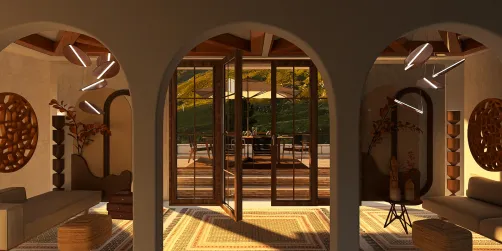
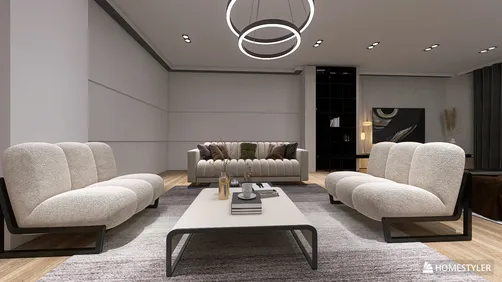
While many designers concentrate on aesthetics and light fitting placement, my research indicates that LED lighting options—such as color temperatures, dimming capabilities, and intelligent zoning—profoundly affect homeowner habits. For example, studies highlighted by ArchDaily reveal that warm LED lights in communal areas promote social interactions and relaxation, whereas cooler hues enhance productivity in home offices. Unlike standard guides, I also examine the effects on circadian rhythms and how selecting mismatched lighting can lead to detrimental outcomes like poor sleep quality. Through my previous projects, layering LEDs to convey emotional cues for different zones transforms ordinary rooms into unique, personalized environments.
What Hidden Dangers Do Homeowners Often Neglect When Selecting LED Decorative Lighting?
Rather than offering one-size-fits-all recommendations, studies indicate that excessive LED illumination can lead to glare-induced eye discomfort and interfere with natural melatonin production. According to Energy.gov, choosing inappropriate fixtures can result in uneven light distribution and increased maintenance expenses—counteracting initial savings. By viewing LED decorative lighting as an integral part of the home's behavioural ecosystem, homeowners can evade these issues and promote better health. My experience suggests that conducting preliminary mockups through a 3D Floor Planner to visualize lighting effects can identify potential problems before installation, a step frequently overlooked in most guides.
Can LED Decorative Lighting More Effectively Define Functional Areas Compared to Conventional Options?
In contrast to common wisdom, I focus on LED fixtures that facilitate adaptable zoning—like tunable strip lights under cabinetry or accent LEDs in reading areas. Research from Houzz indicates that implementing zone-based lighting can improve space efficiency by as much as 30%, in comparison to fixed single-source lighting. Unlike many guides, I recommend incorporating smart control features to allow families to intuitively adjust the atmosphere for dining, work, or relaxation—transforming decorative lighting into a cognitive guide rather than simply being ornamental.
What Data-Driven Insights Show About LED Decoration Lighting Compared to Other Light Technologies?
Statistical data indicates that LED bulbs typically outlast CFL and incandescent varieties by about 15,000 hours, as reported by Statista, but their true value lies in programmable features and diverse color ranges. Many guides overlook these aspects; however, as a seasoned designer, I've witnessed a rise in client satisfaction when LEDs make it possible to create tailored emotional experiences, such as establishing different atmospheres for morning and evening routines. These functionalities present market opportunities: discerning homeowners can utilize the technology for a more health-promoting, enjoyable lifestyle.
How Do Market Gaps in LED Decorative Lighting Present Opportunities for Smarter Design Solutions?
From my observations, homeowners frequently miss out on the broad range of LED options available. The market often neglects guides that address behavioural shifts—such as transitioning from active family zones to peaceful personal spaces. By acknowledging this deficiency, I encourage readers to surpass basic installations, utilizing programmable LEDs and layered lighting to develop adaptable environments. Creating flexible lighting designs using a Room Planner allows homeowners to prepare for life changes and evolving requirements.
Why Is It Important to Focus on Behavioral Design for Long-Term Satisfaction with LED Decorative Lighting?
Unlike many articles that prioritize financial or eco-consciousness factors, I contend that behavioural satisfaction—how spaces feel and operate day-to-day—should be the foremost concern when selecting LED decorative lighting. Expert insights from ArchDaily support the notion that tailored lighting enhances long-term enjoyment of a home and minimizes renovation discontent. Practically, consistently revisiting spaces and adjusting LEDs based on household feedback can lead to ongoing enhancements in wellness and functionality.
What Actionable Steps Can You Take to Maximize the Benefits of LED Decorative Lighting?
While many designers advocate for general fixture categories, I propose initiating with homeowner habits: charting circulation routes, identifying desired atmospheres, and gradually deploying programmable lighting. HGTV reports that task-oriented LED placement—such as targeted spots for reading or corners for meditation—provides significant advantages in establishing habits. Ignoring these steps may lead to a home that feels stagnant and uninspiring, rather than vibrant and life-enhancing.
Answer Box
Adopting a behavioural design perspective on LED decorative lighting can profoundly enhance home functionality and atmosphere, mitigating hidden risks while maximizing long-term satisfaction. Intelligent zoning and personalized controls foster responsive, healthful living spaces.
FAQ
Conclusion: The Impact of Behavioral Design on LED Decorative Lighting Choices
In contrast to most content, this guide reveals how LED decorative lighting, when selected for its behavioural influence rather than mere aesthetics or cost savings, revolutionizes the home experience. Emphasizing mood, functionality, and ease of adaptation yields benefits that extend far beyond the utility bill—particularly when enhanced through thoughtful planning. For those eager to map out their ideal settings and daily routines, begin crafting mood-lifting lighting designs with Homestyler today.
Homestyler's roots trace back to Autodesk, the global leader in design and engineering software. That heritage lives on in every feature we build. Today, with a community of more than 20+ million registered users (platform data, 2026) worldwide, Homestyler continues to make professional-quality interior design accessible to everyone — from first-time decorators to seasoned architects.
Discover your home’s potential with Homestyler, the ultimate online design platform! Featuring an intuitive design tool, stunning 3D renderings, and a wealth of inspiring design projects and DIY video tutorials, it’s never been easier to create your dream space. Start designing today!
Дизайн сейчас бесплатно





















![Design [1]](https://hs-designs.homestyler.com/production/design/images/87c3311f-b762-48e5-aa6c-2a61ff42aaa8/1731347951087/7837764.jpg?x-oss-process=image/resize,w_502,m_mfit/format,webp)