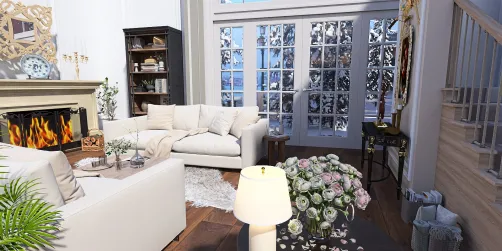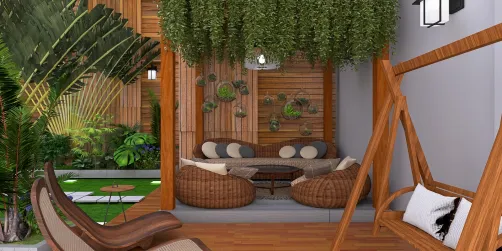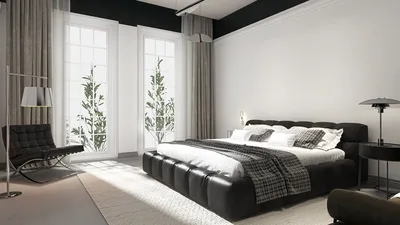
In recent years, I've observed a significant transformation in coastal decor—modern beach cottages now emphasize a sophisticated, airy atmosphere over the outdated kitschy seashells one often found in the past. Particularly in small living rooms, this shift compels me to be more creative regarding space utilization, color schemes, and texture selections. In this article, I will present ten decorating tips for beach cottage living rooms, drawing inspiration from my projects, up-to-date trends, and reliable research findings in design. Small areas can ignite great creativity, and I will illustrate precisely how this can be achieved.
1. Bright and Airy Color Schemes
My perspective: I enjoy beginning with shades of white, soft beiges, and seafoam greens. In a recent project for a client, applying warm white paint on the walls instantly conjured the feeling of a never-ending summer day in a compact living room.
Advantages: A bright color scheme reflects natural light, which significantly amplifies the sense of space—especially beneficial in limited beach cottages. A recent Houzz survey from 2023 indicated that 68% of homeowners opting for coastal styles preferred lighter wall hues.
Disadvantages: Lighter colors tend to show marks and stains more readily, necessitating closer attention to maintenance.
Advice: Consider using washable paint finishes in high-traffic areas to make upkeep easier.
2. Rugs Made from Natural Fibers
My perspective: In one of my cherished makeovers, a jute rug effectively anchored the seating area without overwhelming the overall feel of the room. The texture subtly evoked a beachy vibe without being overly thematic. This makeover also included minimalist coastal furniture arrangements that enhanced the flow of movement.
Advantages: Jute and sisal rugs are sturdy, environmentally friendly, and offer natural sandy tones that harmonize perfectly with beach cottage aesthetics.
Disadvantages: They aren’t the most comfortable underfoot and can present challenges when it comes to cleaning.
Example: If softness is desired, I suggest layering a thin cotton rug over a natural fiber rug.
3. Weathered Wooden Accents
My perspective: Coffee tables that mimic driftwood and whitewashed shelving add a genuine coastal flair. In my own cottage-inspired residence, a reclaimed wood sideboard has served not only as storage but also a wonderful conversation piece.
Advantages: Such elements introduce warmth, texture, and an authentic lived-in feel that aligns with coastal long-tail keywords like "beach cottage living room ideas."
Disadvantages: Overusing these materials may create a sense of excessive rusticity—balance is essential.
4. Seating Made from Wicker and Rattan
My perspective: Rattan armchairs have lightened up my seating configurations beautifully. Their airy construction allows sunlight to filter through, making the room less cramped.
Advantages: They are lightweight, easily reconfigured, and trendsetting according to Elle Décor’s 2024 coastal style report.
Disadvantages: Rattan requires cushions for comfort and can fade when exposed to direct sunlight.
5. Art Inspired by the Ocean
My perspective: Art is an extension of personal expression. I recently showcased three large ocean photographs above a couch, which immediately transformed the area into a coastal focal point. During this project, we also enhanced the layout by employing L-shaped open-plan configurations adjacent to the kitchen area for better flow.
Advantages: Artwork brings the essence of the beach indoors, creating a personality that resonates even when ocean views are absent.
Disadvantages: Large artworks can come with a hefty price tag, but framing prints can be a budget-friendly option.
6. Linen Slipcovered Seating
My perspective: For clients with pets and sandy-footed kids, washable linen slipcovers work wonders.
Advantages: These slipcovers provide a casual elegance, allow airflow, and are remarkably easy to maintain—ideal for a laid-back coastal lifestyle.
Disadvantages: Linen can crease easily, a quality I find charmingly lived-in, though it might not appeal to everyone.
7. Nautically Themed Lighting
My perspective: By replacing conventional pendant lighting with lantern-style fixtures in brushed nickel, I've infused instant coastal charm.
Advantages: Themed lighting coherently ties the room together and resonates with coastal long-tail keywords like "nautical beach cottage lighting ideas."
Disadvantages: If overdone, too many nautical elements can appear gimmicky.
8. Seamless Indoor-Outdoor Transition
My perspective: In one renovation project, we swapped heavy drapes for sheer linen curtains and incorporated French doors, allowing delightful breezes to flow through.
Advantages: Enhances natural light, boosts ventilation, and strengthens the connection to outdoor areas.
Disadvantages: This design choice may result in increased UV exposure for furniture fabrics.
9. Accents of Coastal Color
My perspective: Throw pillows in coral and turquoise provide instant seasonal refreshes. In 2022, I styled a compact living room featuring bold designs inspired by marine life, which lifted the mood immediately. Updating soft furnishings can feel similar to experimenting with Homestyler’s AI-driven design mood boards before making larger commitments.
Advantages: A cost-effective method to rejuvenate the space.
Disadvantages: An excessive number of vibrant hues can overwhelm a small room—maintaining a controlled palette is key.
10. Layering Textiles
My perspective: Merging various textures like coarse knits, sleek ceramics, and rugged wood prevents a neutral beach palette from appearing flat.
Advantages: This approach adds richness and intrigue while adhering to the relaxed coastal vibe.
Disadvantages: Achieving the right balance is crucial to prevent visual chaos.
Conclusion
In my view, a compact beach cottage living room is not a limitation but rather a chance to make more thoughtful and purposeful design choices. According to the American Society of Interior Designers, smaller spaces benefit significantly from innovative, multifunctional solutions. Which of these ten decorating ideas would you love to integrate into your own home? Perhaps you could even visualize them using tools like Homestyler.
Frequently Asked Questions
1. What is the ideal color palette for a beach cottage living room?
Light neutrals paired with touches of soft blues or sandy shades create a bright, airy ambiance.
2. How can I create the illusion of a larger space in a small beach cottage living room?
Incorporate light hues, reflective surfaces, and furniture that features visible legs to enhance openness.
3. Are natural fiber rugs suitable for beach residences?
Certainly, they are resilient and camouflage sand well, though they do require periodic deep cleaning.
4. Which type of sofa is most suitable for a beach cottage?
Slipcovered sofas, particularly those made from washable materials like linen, are perfect for ease of maintenance.
5. Is it possible to mix modern designs with beach cottage aesthetics?
Absolutely—combining sleek furniture with textured coastal elements works exceptionally well.
6. How do I select lighting that evokes a coastal vibe?
Look for lantern-inspired designs, rope detailing, or fixtures crafted from timeworn metals for an authentic touch.
7. Is a nautical theme necessary in beach cottage designs?
No, contemporary beach cottages often emphasize natural textures and ocean-inspired colors rather than overt nautical motifs.
8. How can I experiment with layouts before physically rearranging furniture?
Digital tools, much like those available for 3D room visualization, can help you experiment with arrangements before making any physical changes.
Discover the world of home design with Homestyler! This user-friendly platform offers an intuitive online design tool, stunning 3D renderings, and a wealth of design projects and DIY video tutorials. Whether you're a novice or a pro, Homestyler makes transforming your space easy and inspiring!