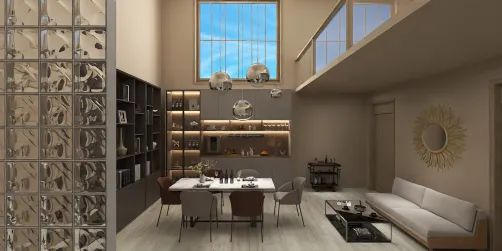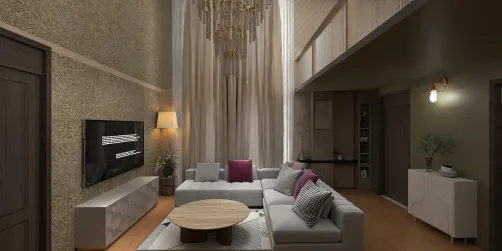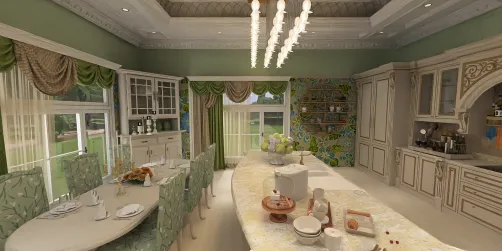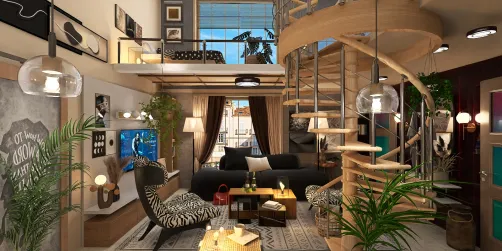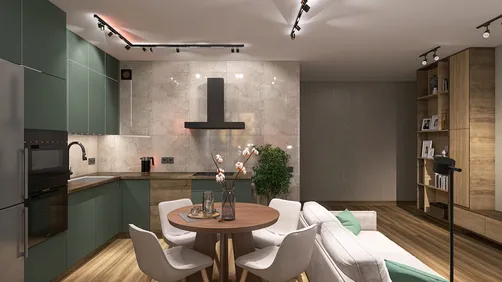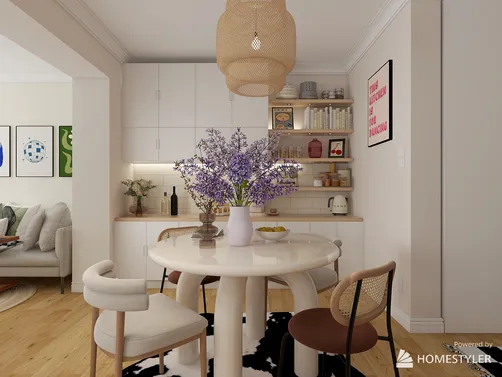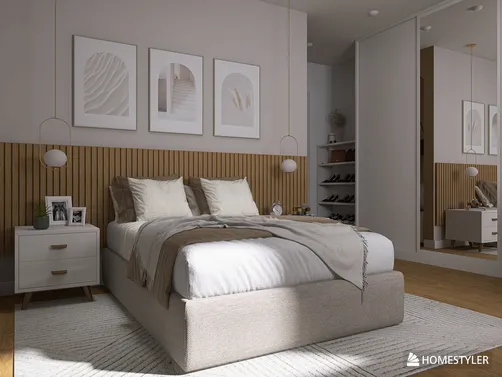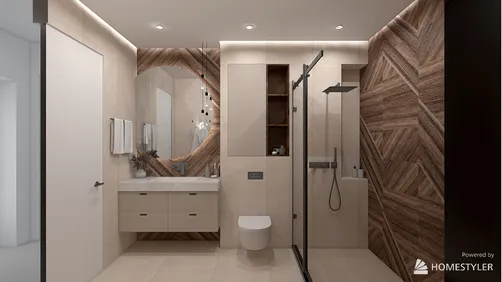
With over a decade of experience in the world of interior design, I have witnessed teal transition from a bold, experimental hue to an essential element in contemporary living spaces. Today's design preferences encourage the combination of vibrant colors with organic textures, and even small rooms can ignite immense creativity. In this piece, I will share 10 unique living room decoration ideas that incorporate teal, merging my personal experiences with research-proven strategies to craft a stylish yet practical environment. One of my most memorable projects was a compact apartment where teal velvet accents dramatically altered the ambiance.
1. Teal Accent Wall
My Experience: I once revitalized a small living area by applying a deep teal shade to just one wall, which added significant depth without overwhelming the space.
Benefits: Teal pairs wonderfully with neutral furnishings, infusing energy while still maintaining a sense of elegance. A color psychology survey conducted by Pantone in 2022 indicates that teal can inspire tranquility and focus, making it an ideal choice for a living area.
Drawbacks: If poorly lit, dark teal walls can create a sense of confinement in smaller rooms, so it's essential to pair this color with lighter fabrics or reflective surfaces.
Recommendation: A matte finish offers a cozy, modern aesthetic, while satin finishes can provide easy maintenance.
2. Teal Velvet Sofa
My Experience: A client once doubted the suitability of a teal velvet sofa, fearing it was too extravagant. Six months later, she proclaimed it the centerpiece of her home.
Benefits: The texture of velvet beautifully reflects light, while teal presents a luxurious yet approachable vibe — a trend that stands strong in modern interior design.
Drawbacks: This fabric can require significant upkeep if you have pets, making lint rollers essential.
Suggestion: Combine with brass accents for a warm, art deco-inspired ambiance.
3. Coastal-Inspired Teal Accents
My Experience: In a coastal cottage project, muted teal pillows and rugs mirrored the nearby ocean's colors.
Benefits: Soft shades of teal blend seamlessly with white and sandy beiges, enhancing natural light and creating a refreshing atmosphere.
Drawbacks: Overuse can lead to a themed room that lacks timelessness.
Recommendation: Incorporate driftwood or linen materials to achieve balance.
4. Teal and Mustard Contrast
My Experience: I enjoy exploring unconventional color pairings, and teal with mustard instantly offers a retro feel.
Benefits: The contrast of warm and cool tones allows both colors to shine, making it perfect for mid-century modern styles.
Drawbacks: Excess mustard can overwhelm the decor, so consider using it for cushions or a single chair instead of large elements.
Example: Consider mustard-colored art pieces against a teal backdrop for striking visual impact.
5. Botanical Prints on a Teal Base
My Experience: A teal wallpaper adorned with leafy motifs transformed a compact nook into a serene reading space.
Benefits: This combination merges biophilic design with bold color, enhancing both mood and aesthetics, according to findings from the Journal of Environmental Psychology.
Drawbacks: Detailed prints might clash with other patterned furnishings — simpler designs may work better elsewhere in the space.
Botanical themes are particularly effective in sunlit areas complemented by taller plants, integrating color and nature seamlessly.
6. Teal Area Rug as a Focal Point
My Experience: Area rugs are my favorite quick update tool, and a teal rug can beautifully anchor a living area.
Benefits: They deliver immediate definition without the need for painting or renovations, plus they can be easily swapped seasonally.
Drawbacks: Large, bold rugs may overpower small rooms; balance this by utilizing neutral wall colors.
Budget Tip: Opt for wool blends to ensure durability without overspending.
7. Teal in Modular Shelving
My Experience: I painted the back panel of a modular shelf in teal, enhancing depth without taking up extra space.
Benefits: Little touches of teal can draw attention to display items while keeping a neutral base palette intact.
Drawbacks: Frequent changes in decor may necessitate repainting.
Design Tip: This approach is ideal for rental spaces where painting walls is not allowed.
8. Layering Teal Textiles
My Experience: I use teal cushions, throws, and ottomans in my home to shift moods seasonally.
Benefits: A simple, cost-effective method to incorporate color without long-term commitment; even subtle additions can elevate the overall appearance.
Drawbacks: Fabrics may come in differing tones, complicating coordination; embracing a variety can enhance the aesthetic instead.
Pro Tip: Play with various patterns — geometric designs, floral prints, and solid colors — for added depth.
9. Teal Curtains for a Dramatic Effect
My Experience: Floor-to-ceiling teal draperies instantly enhanced a client’s narrow living area by making it appear taller and more sumptuous.
Benefits: Vertical elements create an illusion of height, and teal works beautifully in both heavy drapes and light sheer fabrics.
Drawbacks: In very compact spaces, heavy curtains can feel overwhelming.
Strategically layering curtains with sheers can soften their visual weight and help transition between day and night.
10. Teal and Wood Fusion
My Experience: The combination of natural wood tones with teal is a pairing I absolutely adore — it harmonizes warmth and elegance seamlessly.
Benefits: The natural warmth of wood complements teal's cooler tones, rendering a balanced and inviting atmosphere.
Drawbacks: An excess of dark woods may dull teal’s vibrancy — lighter oaks are highly recommended in smaller living areas.
Style Tip: Incorporate reclaimed wood furniture for both sustainability and unique character.
Summary
Small living spaces don’t limit your options; instead, they inspire us to design intelligently. Teal serves as a perfect bridge between vibrant and serene, allowing versatility across various styles. As highlighted by the American Society of Interior Designers, deliberate color choices can enhance perceived space and functionality. Which of these teal décor inspirations using Homestyler would you be eager to try first?
FAQ
1. What colors pair well with teal in a living room?
Neutrals such as grey, beige, and cream create a beautiful balance with teal; mustard, blush pink, and navy provide bolder contrasts.
2. Will teal make my small living room appear smaller?
Not necessarily — using teal as an accent along with ample light can create a richer, more dynamic ambiance.
3. Is teal a classic interior color?
Indeed, teal is compatible with various aesthetics from coastal to contemporary, making it a lasting choice that transcends fleeting trends.
4. How can I introduce teal without investing in new furniture?
Incorporate teal through textiles, artwork, rugs, or by painting an accent wall or shelving unit insert.
5. Does teal coordinate with wooden finishes?
Definitely — lighter woods such as oak or ash establish a fresh balance, while mid-tones offer warmth.
6. Which materials enhance teal's appeal?
Materials like velvet, linen, brass, and light-toned woods amplify teal’s richness and texture as noted by Elle Decor.
7. What lighting complements teal décor best?
Warm white lighting softens teal’s cooler undertones; steer clear of overly cool LED lights that can flatten its appearance.
8. Is it acceptable to mix multiple shades of teal?
Absolutely, layering slightly different tones can add depth, similar to the tone-on-tone styling used in professional designs.
Homestyler is your go-to online home design platform! With its user-friendly design tool, stunning 3D renderings, and a wealth of inspiring design projects and DIY video tutorials, transforming your space has never been easier. Unleash your creativity and start designing today!