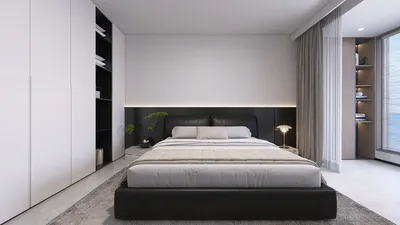


With over a decade of experience in interior design, I've observed how crown molding has evolved from merely an aesthetic feature to a practical tool that can significantly change the dynamics of smaller spaces. This transformation is particularly noticeable in living rooms where ceilings may seem low or the walls plain. Crown molding introduces an immediate sense of craftsmanship and style. I always tell my clients that even in compact areas, innovative design can yield immense creativity — all you need is the right approach. Today, I'm excited to share 10 unique crown molding inspirations for living rooms, combining my professional insights with expert recommendations, so you can discover the perfect style for your home, possibly with the aid of Homestyler.
1. Timeless White Crown Molding
In my experience, classic white crown molding has been a staple in numerous living rooms, especially in apartments aiming to add a touch of elegance without being overpowering. Its versatility allows it to blend seamlessly with any color scheme.
Advantages: It brightens a room, creates an illusion of higher ceilings, and complements various design styles, both modern and traditional. As Architectural Digest highlights, white trim continues to be a favored choice as it reflects light and enhances existing decor.
Disadvantages: White molding can show dust more prominently and requires periodic touch-ups to maintain its sharp appearance.
Suggestion: To achieve a more open feeling, pair white crown molding with lighter wall hues to visually enlarge the space.
2. Bold Wide Profiles
In one of my loft projects, I implemented an oversized crown molding profile to create a striking architectural feature. The clients appreciated how it framed the room beautifully, much like an elegant work of art.
Pros: It captures attention and imparts grandeur, especially effective in spaces with lofty ceilings.
Cons: In smaller rooms, it might create a sense of being overwhelming if not proportionate to the space.
Example: I successfully paired a wide profile with minimalist living room designs to balance its boldness, resulting in an exquisite finish.
3. Cozy Wood Stains
I frequently advocate for natural wood crown molding in rustic or mid-century aesthetics. In a cabin living area, I chose a deep walnut stain, which infused the space with warmth.
Benefits: It adds natural warmth, pairs wonderfully with wooden floors, and creates an inviting atmosphere.
Drawbacks: Darker tones can make low-ceiling areas appear even smaller.
Advice: Opt for lighter stains to maintain a sense of airiness while achieving a cozy ambiance.
4. Harmonious Wall and Trim Colors
When crown molding is painted the same color as the walls, it results in a seamless look. I utilized this technique to conceal uneven drywall in an older property.
Advantages: This approach unifies the space, softening transitions and promoting cohesion.
Disadvantages: The absence of contrast may not appeal to everyone.
5. Textured Layered Profiles
I've often layered two distinct crown profiles in a formal living room to emulate custom millwork — the outcome was stunning.
Pros: This method adds depth and a luxurious feel, ideal for traditional styles. When researching layered crown molding ideas for living rooms, you'll see how it can elevate your design.
Cons: It complicates installation and may increase expenses.
Example: By integrating a layered profile with transitional design elements, the space became remarkably refined.
6. Integrating Cove Lighting
One of my favorite upscale features is incorporating LED cove lighting behind the crown molding, creating a beautiful floating glow during the evening.
Advantages: It enhances ambiance, provides practical soft lighting without the need for lamps, and is perfect for social gatherings.
Drawbacks: Installation demands electrical work, which typically comes with a higher budget.
Tip: Warm white LEDs (2700K) can replicate a cozy incandescent glow.
7. Sleek Modern Minimalist Styles
In contemporary interiors, I have opted for sleek, squared crown profiles that provide a subtle outline without an obvious traditional flair.
Pros: These minimalist styles are smooth and blend well with Scandinavian design.
Cons: They may lack the intricate details that some homeowners prefer.
8. Stunning Color Contrast
I once painted crown molding a soft charcoal against light gray walls, and the contrast created an electrifying effect.
Benefits: This method emphasizes the molding’s details and spices up the visual appeal without using patterns.
Drawbacks: Careful color choices are needed to prevent clashes.
Tip: Sticking to a color family while varying saturations can create harmony.
9. Molding Accompanied by Wallpapered Ceilings
In a playful design concept, I paired detailed white molding with floral ceiling wallpaper — guests were entranced when looking up.
Advantages: This combo beautifully frames and enhances ceiling treatments.
Disadvantages: This style is best suited for rooms that can support bold design choices.
Example: I complemented this approach with Homestyler's 3D design previews to aid clients in visualizing before finalizing materials.
10. Crown Molding as a Decorative Ledge
In some varied spaces, I have modified deeper crown profiles to function as charming ledges for lightweight decorative items.
Benefits: This configuration adds aesthetic value along with utility, ideal for showcasing art prints or small greenery.
Drawbacks: It has a limited weight capacity — best avoided for heavier decor.
Tip: Make sure installations are secure to safely accommodate any decorations.
Conclusion
Transforming small living rooms doesn't mean you have to compromise on style — it simply requires clever design strategies. Crown molding, whether classic, contemporary, or combined with lighting solutions, has the potential to significantly enhance the atmosphere of a space. As noted by the National Association of Home Builders, architectural trim can also boost perceived home value. Which of these 10 crown molding ideas for living rooms are you excited to implement first?
Frequently Asked Questions
1. What is the primary function of crown molding?
Crown molding serves to bridge the space between walls and ceilings while enhancing architectural appeal.
2. Can crown molding create the illusion of a larger living room?
Yes — especially lighter colors or integrated lighting solutions that draw attention upward and enhance spatial perception.
3. Is crown molding still fashionable in 2024?
Definitely. According to Houzz's 2024 design trends report, decorative trim is making a comeback, particularly in bespoke homes.
4. Is crown molding suitable for rooms with lower ceilings?
Yes, by choosing slimmer profiles or painting the walls and molding in similar colors to avoid making the ceiling appear lower.
5. What is the average cost of installing crown molding?
Typically ranges from $4 to $15 per linear foot, based on the material and complexity of the profile.
6. What are the best materials for crown molding?
Wood, MDF, polyurethane, and PVC each come with distinct advantages and disadvantages. Wood offers depth, while MDF is often more affordable.
7. Is it feasible to combine crown molding with ceiling wallpaper?
Yes — it makes for a striking design, and utilizing a virtual layout tool can assist in ensuring aesthetic compatibility.
8. Do I need a professional for crown molding installation?
Not always; skilled DIY enthusiasts can handle simpler installations, but more intricate profiles or lighting setups generally require professional help.
Discover the magic of home design with Homestyler! This user-friendly online platform offers a powerful design tool, stunning 3D renderings, and a wealth of inspiring design projects alongside helpful DIY video tutorials. Transform your space effortlessly and unleash your creativity today!
Дизайн сейчас бесплатно
































