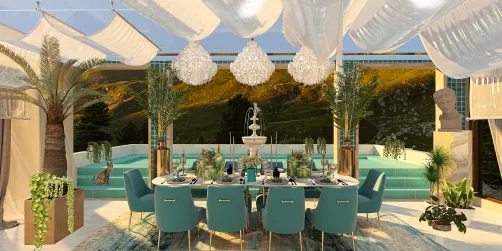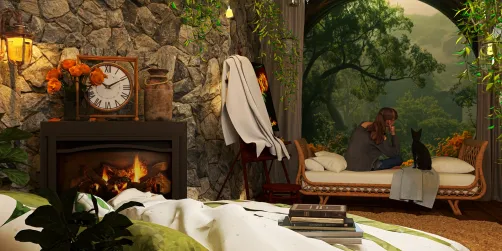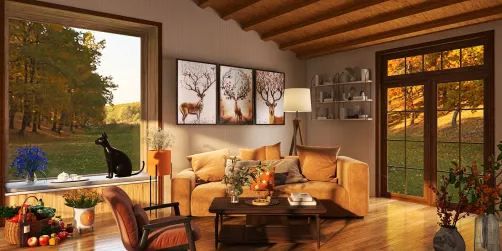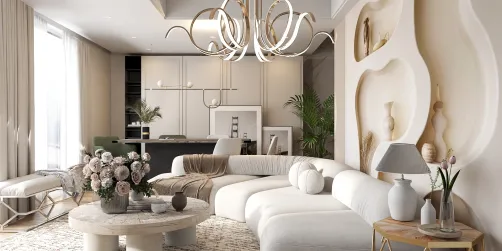
Creating unforgettable events relies heavily on spaces that seamlessly integrate flow, flattering lighting, and acoustically inviting environments for conversations. After a decade of designing and planning venues, I discovered that top-notch resort banquet halls excel in three key areas: harmonizing aesthetics with functionality, adeptly managing sound and lighting, and ensuring smooth logistics from guest arrival to the final toast. As per WELL v2 recommendations, controlling glare, optimizing color rendering, and supporting circadian-friendly lighting are crucial for comfort and alertness. For social events, a typical ambient light level ranges from 300 to 500 lux, while task lighting at service points may be even higher. Research by Steelcase indicates that environments attuned to human needs can enhance engagement, directly correlating to guest satisfaction and the overall success of events.
When evaluating resorts, I focus early on two crucial factors supported by evidence: the quality of lighting and acoustics. The Illuminating Engineering Society suggests a layered approach to illumination, incorporating ambient, accent, and task lighting to achieve an ideal balance of visibility and atmosphere. In dining areas, the recommended illuminance typically stands around 200 to 300 lux, increasing in buffet and bar areas for clarity and safety; proper color rendering (CRI 90+) ensures that skin tones and décor appear true to life. Regarding acoustics, venues that maintain reverberation times between 0.6 and 0.9 seconds facilitate clear speech and enjoyable music without overwhelming guests—this is as significant to the guest experience as the culinary offerings. WELL v2’s concepts for light and sound provide additional valuable guidelines, which I reference alongside IES standards in every venue assessment.
Characteristics of an Exceptional Resort Banquet Hall
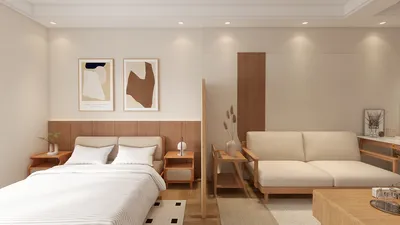
I assess spatial ratios ensuring that circulation comprises 20 to 30 percent of the total floor space, alongside a definite separation between front-of-house and back-of-house services. Flexibility in layout is essential—rooms that can be partitioned allow for a range of events from intimate gatherings to larger celebrations without feeling excessive. For initial visualizations and traffic flow simulations, using a room layout tool is beneficial to evaluate table configurations, staging, bars, and dance floors ahead of an actual site visit: Homestyler offers such a visual planning feature.
Enhancing Atmosphere and Photography with Lighting
Utilizing a combination of warm ambient lighting (2700–3000K) and neutral accent lights (3000–3500K) effectively highlights skin tones and food presentation. Implementing low Unified Glare Rating (UGR) downlights prevents guests from squinting during speeches, while wall washing techniques create an illusion of vertical space. Dimmable circuits—preferably offering three or more brightness scenes—facilitate transitions from ceremony brilliance to a cozy dinner atmosphere. It’s recommended to maintain DJ and stage wash lighting at 3500–4000K to ensure crisp details without overshadowing color schemes.
Fostering Acoustic Comfort for Various Activities
Ballrooms are known for their echo, which is why I prioritize incorporating absorptive ceilings, fabric-covered wall panels, and heavy drapery along perimeter glass fixtures. Should the resort provide movable acoustic partitions, it’s essential to check their Noise Reduction Coefficient (NRC) values (aiming for 0.7 or higher) while also ensuring minimal sound bleed between subdivided spaces. Utilizing distributed speaker arrays at moderate levels is preferable to relying on a single loudspeaker, ensuring a pleasant conversational atmosphere at the tables.
Creating a Human-Centered Layout and Flow
Understanding guest behavior is fundamental to setting the event’s rhythm. Position bars directly across from the main entry points to encourage guests to flow through the space. Maintain aisle widths of 1.5 to 1.8 meters between table clusters and allocate 9 to 11 square meters per round table seating ten, accounting for circulation routes, staging, and service access. If hosting dual experiences—such as a cocktail reception followed by a plated dinner—consider designing a transitional area with soft lighting and visual focal points (like floral walls or sculptural lighting) to facilitate movement. Quick layout simulation tools, such as those offered by Homestyler, can help confirm capacities and sightlines before finalizing the floor plan.
Material Choices and Sustainability Practices
Seek out finishes that are durable and low in volatile organic compounds (VOCs), alongside high-performance carpet tiles that enhance acoustics, and opt for wood sourced from certified programs. Banquet chairs designed with supportive foam and breathable fabric can significantly enhance comfort during lengthy dinners. Ensure that linens complement the existing color palette—warm neutrals or muted hues tend to photograph beautifully under warm LED lighting.
Harnessing Color Psychology for an Unforgettable Atmosphere
Soft amber and blush hues foster a sense of warmth and connection, while subtle greens promote tranquility during ceremonies. Reserve vibrant colors for small decorative accents—like floral arrangements or napkins—to invigorate the space without dominating it. For corporate functions, cooler shades (like steel blue or charcoal) are effectively paired with warm ambient light to strike a balance between professionalism and hospitality.
Behind-the-Scenes Logistics That Enhance Guest Experience
Access to loading docks, strategic ceiling rigging points, and adequate backstage storage significantly impact vendor efficiency. I prefer having at least two dedicated service entries, with power tie-ins located near the stage, ensuring clean cable pathways. Kitchen proximity minimizes plate-to-table time, ensuring dishes remain hot. Moreover, restrooms should ideally be located within a 30 to 45 meter distance to mitigate congestion near the entry points.
Different Resort Types and Their Event Specialties
Resorts that are ideal for sunset ceremonies and airy celebrations. Verify options for wind screens, sand-resistant decking, and indoor backup spaces of comparable capacity to accommodate potential weather changes.
Offer stunning backdrops and milder evenings, confirming availability for managing snow or rain, as well as temperature-regulating vestibules and heating solutions for shoulder seasons.
Excellent options for accessibility and vibrant late-night activities, typically featuring superior AV capabilities, blackout options, and spacious ballrooms. It’s prudent to check loading times and vendor insurance requirements inherent to urban settings.
Coordinating Vendors and Technology Effectively
Integrated AV solutions can save valuable time, but I always double-check projector brightness (especially those with 6,000+ lumens for larger rooms), LED wall resolution (with a pixel pitch of 2.6–3.9 mm for closer views), and backup audio pathways. Inquire about in-house rigging capabilities and union prerequisites. Utilizing cloud-based seating arrangements and timeline tools can streamline the approval process; pairing these resources with a venue walkthrough ensures that all details regarding catering, floral arrangements, and entertainment are solidified.
Key Questions for Your Shortlist Checklist
Referential Authorities for Informed Decision-Making
I evaluate venues using the WELL v2 Light and Sound concepts and cross-reference lighting layers and their levels with IES guidelines. This approach ensures guest comfort, enhances speech clarity, and helps create photography-friendly environments. Such benchmarks foster objective and successful discussions with venue managers.
Frequently Asked Questions (FAQ)
Q1: What are the optimal lighting levels for a dinner reception?
A1: Aim for ambient lighting levels of 200 to 300 lux at table surfaces, with the flexibility to dim lights by 20 to 30 percent during dinner. Higher illumination levels should be maintained at bars and buffets for safety and clarity.
Q2: How can I guarantee clear speeches without excessive volume?
A2: To manage reverberation, utilize absorptive ceilings and wall panels, distribute speakers evenly throughout the space, and maintain moderate volume levels. A target reverberation time of around 0.6 to 0.9 seconds works well for larger banquet areas.
Q3: What is a practical spacing guideline for round tables?
A3: Ensure main aisles are 1.5 to 1.8 meters wide and allow a minimum of 1.2 meters between table edges in service areas. Plan for about 9 to 11 square meters per 10 guests when considering circulation and staging.
Q4: Which light temperatures are most flattering for photographing guests?
A4: Warm ambient lighting set between 2700 and 3000K combined with a high CRI (90+) will help keep skin tones looking natural. For neutral accents, use lighting in the 3000 to 3500K range for floral arrangements and food without washing out their colors.
Q5: How should I prepare for an outdoor ceremony amidst uncertain weather conditions?
A5: Secure an equal-capacity indoor backup space, pre-establish a 4 to 6 hour pivot window, and ensure that decor palettes are consistent so that the experience feels cohesive even in the event of a plan shift.
Q6: Which materials are effective at enhancing acoustics unobtrusively?
A6: Implementing high-density carpet padding, fabric-wrapped wall panels (with NRC ratings of 0.7 or more), and heavy curtains on glass surfaces can absorb sound reflections without compromising the room’s aesthetic.
Q7: How do I determine the size of a dance floor?
A7: Expect approximately 30 to 40 percent of guests to dance at peak times. For a group of 150 guests, a dance floor of around 30 to 40 square meters generally promotes an engaging atmosphere without overcrowding; adjust upwards for events that anticipate heavier DJ use.
Q8: Is it better to use in-house AV services rather than external vendors?
A8: In-house teams are typically more familiar with rigging, power requirements, and acoustics, expediting setup. If employing external vendors, confirm available patch points, union expectations, and insurance details early in the planning process.
Q9: What are some common overlooked circulation challenges?
A9: The corridor between the bar and entry is often a pinch point. To avoid congestion, position the bar deeper into the venue or consider setting up two smaller bars to disperse lines, maintaining an inviting entrance.
Q10: How can I maximize the impact of ceiling height?
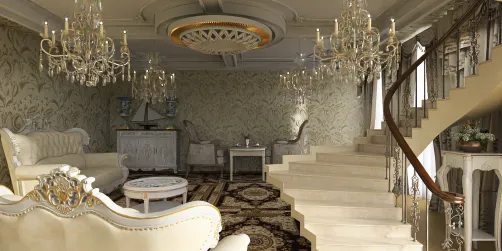
A10: Utilize vertical lighting—through wall washers and uplighting—to emphasize height. Keep chandelier lighting softer during dinner, increasing brightness for speeches to direct focus where needed.
Q11: What sustainability considerations are vital for events?
A11: Emphasizing low-VOC finishes, LED lighting, linen reuse initiatives, and waste separation stations can minimize environmental impact. Additionally, choosing local flowers and seasonal menus can reduce transportation emissions.
Q12: Is there a quick assessment for venue acoustics before booking?
A12: A simple test involves clapping in various corners of the room and speaking normally from a few tables away. If words become muddied or echo predominates, inquire about extra soft finishes or draping options.

Homestyler is an outstanding online home design platform that empowers you to create stunning spaces effortlessly. With its user-friendly design tool, impressive 3D rendering features, and an array of DIY video tutorials, you can transform your home ideas into reality—no experience needed!