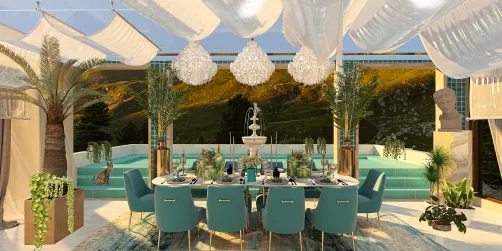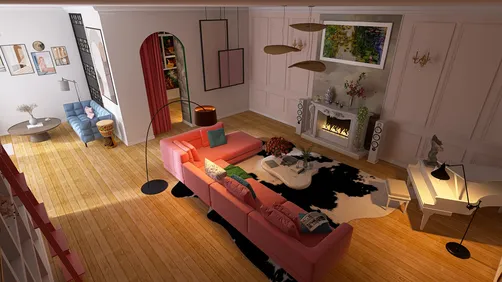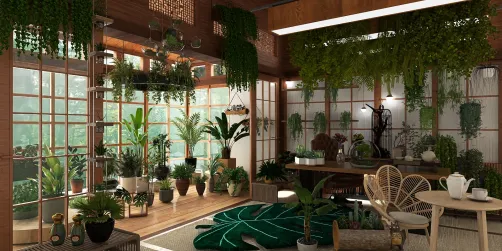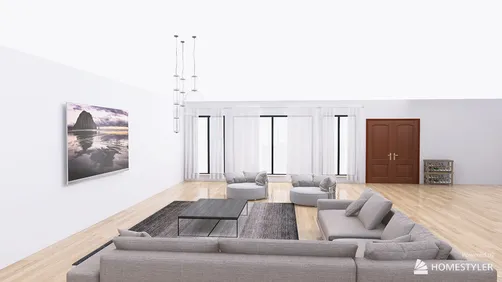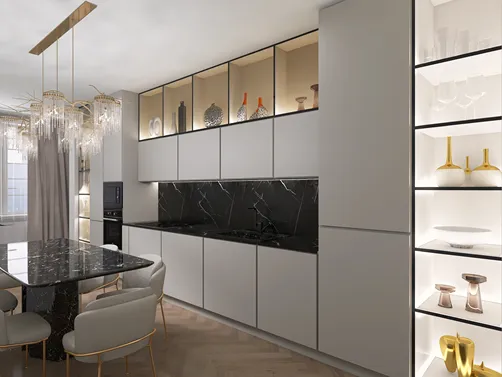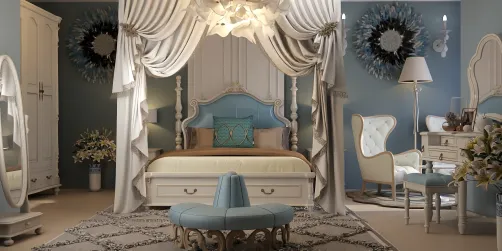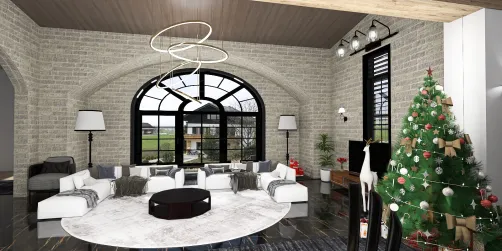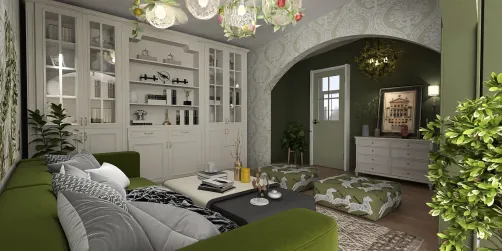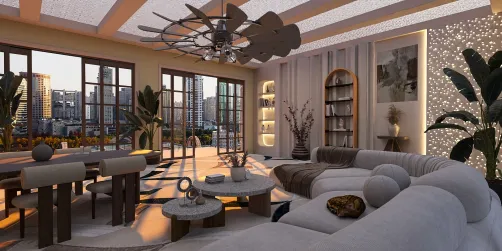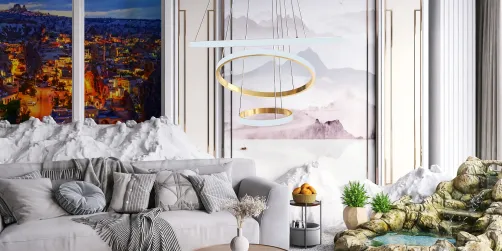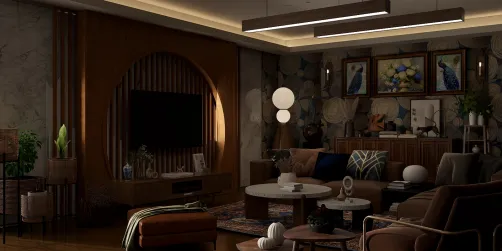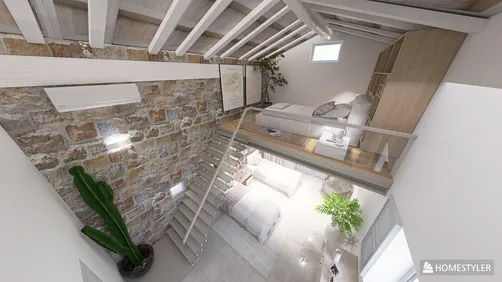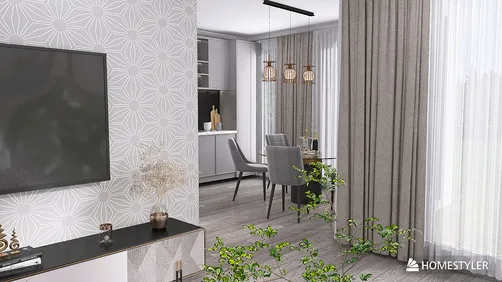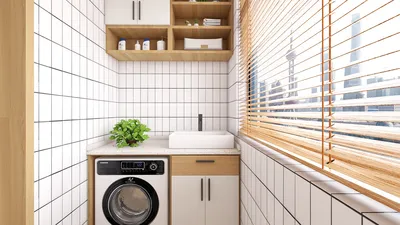
Contrary to popular belief, dark walls don't always make a space feel smaller. The concept of perceived spaciousness hinges on multiple factors like light distribution, luminance contrast, ceiling height, sightline length, and the reflectivity of surfaces. When these elements are harmonized, deep colors can introduce depth, create an intimate atmosphere, and enhance visual coherence without constraining the room's size. This demonstrates the importance of thoughtful design tools like Homestyler in visualizing such transformations.
Research shows that not merely color, but also light and reflection significantly influence our perception of space. In line with the Illuminating Engineering Society's guidelines, typical living or workplace settings should maintain illumination levels of 300 to 500 lux, incorporating layered lighting to manage glare and optimize contrast. Furthermore, the WELL Building Standard emphasizes the importance of balanced circadian lighting and glare control, which advance comfort and visual clarity, ultimately enhancing our depth perception. According to Gensler's findings, having choices and control within an environment directly correlates with improved performance, and lighting contrast plays a central role in this influence—demonstrating that managing contrast is essential in countering the belief that dark spaces feel confined.
Understanding the Influence of Dark Colors on Space Perception
Color choice influences edge perception. High-contrast boundaries, such as a black wall with white trim, accentuate transitions and can make planes appear closer. In contrast, low-contrast palettes create a more enveloping effect that allows the eye to perceive surfaces as continuous, which often yields a calmer ambiance that, paradoxically, can make rooms feel larger. According to Verywell Mind’s exploration of color psychology, rich dark hues invoke a sense of intensity and enclosure, promoting a grounding and cozy vibe when complemented with lighter elements and textures.
Exploring Light, Luminance, and the Illusion of Space
Our eyes gauge spatial dimensions based on light falloff and reflectivity. Since dark paints feature lower Light Reflectance Values (LRV), they reflect less light, potentially diminishing perceived volume if lighting levels are inadequate. Establish a baseline of ambient lighting around 300 to 500 lux, supplement with task lighting (500 to 1000 lux where necessary), and enhance vertical luminance through wall washing techniques. Interestingly, even charcoal walls can appear spacious when illuminated softly, and glare is kept within comfortable limits—as suggested by IES guidelines. Essentially, dimly lit rooms, irrespective of their color, may feel constricted as visual boundaries become indiscernible, collapsing depth cues.
The Role of Ceilings, Trim, and Edge Perception
A stark contrast between dark walls and a bright ceiling can create the illusion of height, seemingly lifting the ceiling and expanding vertical sightlines. Meanwhile, a dark ceiling can lower visual perception, which is beneficial in tall, echo-prone rooms. Opting for trim that matches the wall color diminishes edge contrast, effectively softening corners and making the room feel more spacious. For an impactful architectural feature, consider using brighter baseboards and crown molding to frame the space, though be mindful that this can also create a visual box effect—intentional choices are key.
Managing Windows, Daylight, and Glare
Natural light illuminates vertical surfaces, fostering depth and flow within a room. However, uncontrolled glare can enhance contrast, making nearby dark walls seem denser. Strategies such as sheer curtains or side-stacked window treatments can help diffuse extreme light contrasts. The aim is to keep window areas bright without overwhelming the space, thus preventing a tunnel effect. With a well-managed balance of daylight and some adjustable lighting sources, deeper hues can convey elegance rather than claustrophobia.
Texture, Sheen, and Material Reflections
Opting for matte finishes minimizes glare on darker colors, preventing undesirable reflections. Satin finishes are suitable for durable surfaces but should be applied with caution due to increased sheen contrast. Materials with gentle reflectance, such as linen drapes, oak flooring, or limewash plaster, can elevate the overall luminance atmosphere. Sustainable options with lower embodied carbon, like FSC-certified wood or mineral paints, not only enhance texture but also mitigate the heaviness often associated with darker shades.
The Impact of Furniture Scale, Sightlines, and Negative Space
Incorporating large, low-profile furniture can create visual expansiveness through horizontal lines. Avoid placing tall, bulky pieces directly in circulation areas to allow the eye to roam freely. In smaller spaces, pulling sofas slightly away from walls produces a subtle shadow effect that can add depth, even on dark walls. Strive to maintain at least one unobstructed sightline of 12 to 15 feet, as continuous sightlines suggest a more expansive footprint.
Strategic Use of Dark Walls in Design
- Highlight a wall in a long sightline to create a sense of depth.
- Consider wrapping all walls in a darker tone if vertical luminance can be increased using wall washers or sconces.
- Select undertones based on orientation: cooler charcoals suit warm western light, while warm inky blues work well in cooler northern light.
- Offset dark walls with lighter flooring or sizable pale rugs to ensure even light distribution across the space.
Layout and Flow Planning
Before executing any paint jobs, consider modeling your furniture layout and pathways. A darker environment paired with poor circulation may feel constricted, while the same color scheme with strategic adjacencies can evoke a curated calmness. If you are experimenting with room configurations digitally, utilizing a room layout tool, like Homestyler, can aid in verifying pathways, sightlines, and positioning for optimal luminance effects.
Creating an Effective Lighting Plan for Dark Walls
- Ambient lighting: maintain even ceiling or cove lights at 300–500 lux.
- Vertical illumination: utilize wall washers or asymmetric track lights to boost luminance on dark surfaces, targeting 100–200 lux on verticals in living areas.
- Task lighting: ensure lighting of 500–1000 lux for workspaces such as desks or reading areas, and incorporate shielding to manage glare.
- Accent lighting: use 2700–3000K for warm tones on dark paints, and 3500K for a sharper, gallery-inspired appearance.
- Dimming options: consider a range between 1% and 10% to adjust contrast according to the time of day.
Avoiding Common Design Missteps
- Avoid painting dark shades without enhancing lighting density or controls.
- Refrain from using high-gloss dark paints on imperfect walls, as flaws will be amplified.
- Extreme contrast in trim can create an unintended tight box structure; choose trims wisely.
- Ensure not to overcrowd the space; maintain some breathing room around essential pieces.
- Pay attention to acoustics; hard, dark surfaces can appear stunning but may create echoes if soft materials are not incorporated.
Expansive Color Pairings
- Deep blue walls with a warm white ceiling and pale wooden flooring provide visual depth.
- Charcoal gray walls paired with olive-gray textiles and aged brass accents create a sophisticated look.
- Rich taupe walls complemented by linen drapery and travertine or terrazzo highlights suggest luxury.
- Dark green walls with an off-white limewash ceiling and woven jute elements evoke a natural feel.
Practical Case Studies
In a compact 220-square-foot study, matte near-black walls were applied alongside two asymmetric wall washers. Coupled with a pale oak floor and light-toned desk, the space felt taller and deeper rather than confined. In a narrow living area, a single charcoal accent wall visually expanded the space by pushing boundaries back while seamless tone-on-tone trims softened the overall design.
Frequently Asked Questions
Are low LRV colors detrimental in dim lighting? No, low LRV colors lower reflectance, potentially leading to a feeling of constriction if the lighting is insufficient. However, with adequate ambient light (300–500 lux) and heightened vertical luminance, darker walls can feel expansive and elegant.
What lighting strategies should be employed? Layered lighting featuring ambient ceiling lights, wall washers, and task lamps is recommended. Aim for 300–500 lux for general lighting, 100–200 lux for vertical surfaces, and manage glare as per IES guidelines.
Should ceilings be kept lighter? Yes, typically. A lighter, warmer ceiling can create a floating appearance above deeper wall colors. However, a darker ceiling might be suitable in taller rooms, creating a cozy effect.
Which finishes are best for darker colors? Matte or eggshell finishes disguise imperfections and minimize glare, while satin or semi-gloss should be reserved for durable trims or areas where contrast is a design intention.
How can accent walls influence depth? Placing a dark accent at the far end of the longest sightline can create an illusion of depth by visually extending the boundary. Be sure to balance this with lighter flooring or larger area rugs.
How to maximize negative space? Incorporate low, leggy furniture to enhance visible floor areas while avoiding bulky, tall items close to entryways; ensure one clear sightline of at least 12–15 feet remains unobstructed.
What color temperatures should be used in various settings? For residential warmth, utilize 2700–3000K; for a cleaner, gallery-like ambiance, opt for 3500K. Consistency across lighting sources is crucial to avoid patchy rendering of colors.
Can dark walls promote discomfort? As long as lighting and contrast are managed effectively, research indicates that glare control coupled with balanced luminance contributes to visual comfort—a necessity for maintaining focus. Implement task lighting and neutral desktop materials as appropriate.
What are some tips for enhancing dark spaces? Elevate vertical surfaces with washing techniques, keep ceilings lighter, incorporate textured, lighter fabrics, and utilize dimming capabilities to adjust contrast throughout the day.
How can ambient textures improve comfort? Integrate area rugs, upholstered seating, and fabric wall panels. Softer materials can absorb mid-to-high frequency sounds, enhancing comfort while complementing moody color palettes.
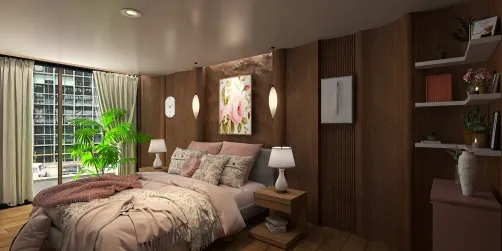
Is it possible to create a cozy space with dark colors? Yes, by using a tone-on-tone approach for bedding, soft ambient lighting, and controlled contrast surrounding the headboard. Maintain minimal clutter to enhance the cocooning effect.
How should trim be approached for dark paint? For a spacious appearance, opt for tone-on-tone trim to lessen edge contrast. For architectural emphasis, use brighter trim to create rhythm but be cautious as it may visually tighten the overall appearance.
Final Thoughts
The notion that dark walls inherently shrink a space is misguided; rather, it is the lack of managed contrast that creates this illusion. By balancing light levels, minimizing harsh edges, and thoughtfully curating textures, deep colors can serve as elegant design tools capable of enhancing both tranquility and—surprisingly—spaciousness.
Homestyler is your go-to online home design platform, perfect for transforming ideas into reality. With its easy-to-use design tool, stunning 3D renderings, diverse design projects, and helpful video tutorials, you can effortlessly visualize and create your dream space—no experience needed!








![Design [4]](https://hs-designs.homestyler.com/production/design/images/07c2de3a-88ec-4be8-8910-ff255b795bc2/1731419398293/7841697.jpg?x-oss-process=image/resize,w_502,m_mfit/format,webp)