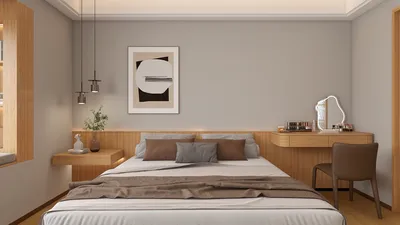


I frequently assess energy requirements for residences and workplaces, and I often find that space heaters can be a hidden threat to budgets. To comprehend the actual cost of running a room heater, you need to consider two key figures: wattage and usage hours. On average, portable electric heaters have wattage that ranges from 1,000 to 1,500 watts (1-1.5 kW). Assuming local electricity rates are $0.20 per kWh, operating a 1.5 kW heater for 4 hours would generate an expense of approximately 1.5 × 4 × $0.20 = $1.20 per day. Therefore, over the course of a 30-day month, you can expect to pay around $36. The expenses quickly escalate when using heaters for longer periods or employing multiple units.
According to research from Steelcase, maintaining thermal comfort is crucial for satisfaction and performance. A warmer environment enhances task focus up to a point where excessive heat can become a distraction (Steelcase Research). The WELL v2 standards also highlight the importance of thermal comfort and personal control as essential elements that boost health and productivity; localized heating can alleviate disagreements over central temperature settings while supporting tasks that are sensitive to comfort (WELL v2). This aligns with my experiences in various projects: while personal heaters can be beneficial, if not managed correctly, they can escalate energy costs and create inconsistent thermal environments.
What Factors Influence Your Heater's Energy Usage
Room heaters effectively turn electricity into heat, meaning their wattage is directly proportional to their energy consumption. For example, a 1,200 W heater uses 1.2 kWh each hour if operating on full power. Once the desired temperature is achieved, thermostats will cycle the heating element on and off which may mean that the average power usage is less than the specified wattage—this can be particularly true in well-insulated spaces. Fan-based heaters warm up the area faster without altering their peak wattage; in contrast, oil-filled radiators take longer to heat but can maintain warmth with less frequent cycling, often leading to fewer energy peaks in smaller rooms.
Simple Method for Cost Calculation
To estimate costs, use the following formula: Cost = (Heater wattage in kW) × (Hours used) × (Electricity rate). For instance, a 1,500 W heater equals 1.5 kW. If you operate it for 6 hours a day at a rate of $0.18 per kWh: 1.5 × 6 × $0.18 gives you approximately $1.62 daily, translating to around $48.60 monthly. If you lower the thermostat setting and the heater only operates 60% of the time, your costs might even decrease to about $29 monthly. It's useful to keep track of the actual operating time if your model displays the duty cycle; otherwise, note how often the unit cycles within an average hour.
Design and Behavioral Strategies to Lower Heater Runtime
I've successfully reduced heating expenditures for clients by concentrating on details such as insulation, airflow, and user habits rather than merely replacing heaters. Seal any drafts around doors and windows, use heavy curtains, and place rugs on hard surfaces to minimize heat loss. Arrange seating away from outside walls, positioning a heater to direct warmth toward the people rather than exposed circulation areas. A slight oscillation can help concentrate heat more effectively. If you're planning the layout of furniture in a small room, using an interior design tool like Homestyler can greatly assist in visualizing circulation and seating arrangements relative to heater placement.
Importance of Thermal Comfort, Ergonomics, and Task Types
The intensity of tasks can influence perceived warmth. For instance, gentle seated tasks (such as reading or focused work) can feel colder compared to light movement. It's essential to provide occupants some degree of control: adjustable thermostats and dual-stage settings can help prevent temperature overshoot. In communal spaces, I commonly set temperatures around 20-22°C (68-72°F) for most sedentary activities. The WELL v2 framework promotes creating thermal zones and mechanisms for personal control, enhancing comfort and satisfaction—a principle that works effectively with localized heaters in spaces where central HVAC systems are restricted (WELL v2).
Lighting, Material Choices, and the Illusion of Warmth
Using warm lighting (2700–3000K) can enhance the perception of coziness, permitting a slightly lower actual air temperature without compromising comfort. Combining warm finishes—like wood tones, boucle fabrics, and wool throws—with surfaces that reflect less light can minimize glare and boost visual warmth. According to Verywell Mind's studies on color psychology, warmer colors (like reds and oranges) may heighten feelings of warmth and engagement; used judiciously, these colors can foster comfort without adjusting the thermostat (Verywell Mind – Color Psychology).
Acoustic and Airflow Factors
Fan heaters can introduce noise and minor air drafts. When working at a desk, direct the heater's airflow past the work area instead of directly toward the legs to avoid hot spots or overly dry skin. Make sure to maintain clearance per the manufacturer's guidelines, which is usually at least three feet in front of the unit, and steer clear of curtains or flammable materials near the heater's grille. I typically place compact heaters at a lower level, angled across the space's occupied area, and fine-tune the setup with a small baffle or furniture piece to minimize direct airflow.
How to Select the Right Heater for Your Space
Choose the heater type based on the size of the room and your usage patterns. Oil-filled radiators are great for areas such as bedrooms or studies where consistent and quiet heat is essential. Ceramic fan heaters are ideal for quick warm-ups in cozy living areas. Infrared panels serve well for heating specific seating spots without raising the temperature in the entire room. Make sure to align the wattage with the room's volume and insulation quality; in a well-insulated area of 120-180 sq ft, 1,000-1,500 W is generally adequate. Larger spaces or rooms with high ceilings may require more structured heating solutions or envelope improvements before heating.
Safety and Compliance Essential Elements
Always prioritize heaters that come with safety features like tip-over protection, automatic shutoff if overheated, and cool-touch casing. Ensure power cords are kept out of pathways and utilize dedicated outlets—steering clear of power strips is advised. Stick to the manufacturer’s recommended clearance distances. In shared work environments, it can be beneficial to establish policies regarding heater runtime and placement to avoid tripping hazards and maintain consistent comfort throughout the space.
Benchmark Your Budget Against These Scenarios
- Light usage: 1,000 W × 2 h/day × $0.20/kWh ≈ $0.40/day → $12/month.
- Moderate usage: 1,500 W × 4 h/day × $0.20/kWh ≈ $1.20/day → $36/month.
- Heavy usage: 1,500 W × 8 h/day × $0.20/kWh ≈ $2.40/day → ~$72/month.
Using two heaters will double these costs. If local rates rise (e.g., $0.30/kWh), ensure to adjust your calculations accordingly.
When Central HVAC is a Better Option
In homes with multiple rooms, localized heaters can sometimes be more expensive than optimizing a programmable thermostat alongside zoning dampers. When several rooms require consistent heating, heat pumps with high coefficients of performance (COP) can provide the same heat while being more cost-effective than resistive heaters. I commonly recommend portable heaters for specific, short-term comfort—like chilly nights in a study or early morning meal preparation—not as primary heat sources.
Frequently Asked Questions
Q1: How do I decipher wattage and calculate my bills?
A1: Check the nameplate for wattage (for instance, 1,500 W). Convert it to kW by dividing by 1,000 (making it 1.5 kW), then multiply by hours of use and your local electricity rate.
Q2: Do thermostats actually reduce costs?
A2: Yes. When the heating element powers off once the target temperature is met, average energy consumption declines. In well-insulated areas, duty cycles can even drop below 50% after the initial warm-up.
Q3: Is running an oil-filled radiator more economical than a ceramic heater?
A3: Both types of heaters are resistive and typically draw similar peak wattage; however, oil-filled models can maintain heat with more stable cycles, which may lessen average energy consumption during continuous use.
Q4: What room dimensions are suitable for a 1,500 W heater?
A4: For a standard room size of 120-180 sq ft with average insulation, 1,000-1,500 W is generally sufficient. Bigger spaces or those lacking insulation may require a higher wattage or structural upgrades.
Q5: Can lighting and color affect a room's warmth perception?
A5: Yes! Warm color temperatures (2700–3000K) and warm color patterns enhance perceived comfort, allowing slightly cooler air temperatures without impacting satisfaction (Verywell Mind – Color Psychology).
Q6: Are space heaters safe for bedroom use?
A6: Always opt for models featuring tip-over and overheat protection, ensure proper clearance, and refrain from overnight use unless the heater is rated for safety and is situated appropriately. Avoid covering the heater or draping it with fabrics.
Q7: Why do my heating costs exceed anticipated calculations?
A7: Issues like prolonged warm-up durations, insufficient insulation, drafts, or incessantly operating high fan speeds can increase runtime significantly. Additionally, electricity rates may exceed those assumed.
Q8: Is utilizing a heat pump a more cost-effective solution?
A8: Generally, yes for sustained heating scenarios. Heat pumps can deliver multiple units of heat for each unit of electricity consumed (higher COP), resulting in lower kilowatt-hours used compared to resistive heaters.
Q9: How can I minimize noise and drafts from a fan heater?
A9: Position the heater at a lower level, direct airflow across the occupied area, use lower fan settings post warm-up, and introduce softer materials (such as rugs and curtains) to absorb sound from airflow.
Q10: Do smart plugs aid in cost tracking?
A10: Yes, smart plugs equipped with energy monitoring can track usage and expenses; combining these with set schedules can eliminate unnecessary operation time and reveal actual duty cycles.
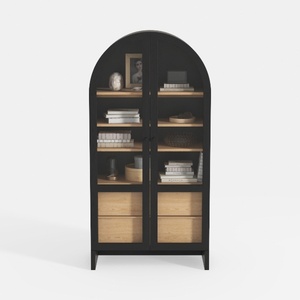
Wood Bookshelf with Adjustable Shelves, 72" Tall
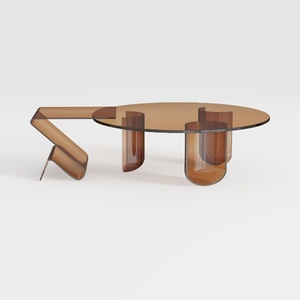
Round Coffee Table Modern Glass Coffee Table with
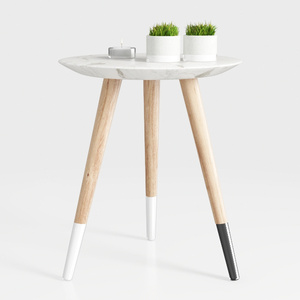
Modern Marble Top Solid Wood Legs Side End Table 3D Model
Homestyler is your go-to online home design platform! With an easy-to-use design tool and impressive 3D rendering capabilities, you can effortlessly explore diverse styles. Plus, dive into countless design projects and watch helpful DIY video tutorials to bring your vision to life. Start creating today!
Дизайн сейчас бесплатно
































