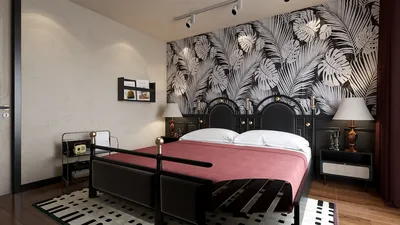


Grasshoppers are intriguing insects that often draw our attention, especially when seen fluttering around outdoor lighting at night. Though many insects, such as moths, are known for their strong attraction to light, grasshoppers exhibit a different behavior. As primarily diurnal creatures, they thrive during daylight hours and primarily use natural sunlight for navigation. However, on rare occasions, you might observe them near porch lights or street lamps. This behavior isn't due to a significant attraction to artificial light but often results from incidental movements or external factors like temperature and environmental changes. Gaining insight into this nuanced relationship can be beneficial if you're interested in understanding how environmental factors influence insect behavior or if you're looking to reduce insect activity around your home at night.
As a designer, I often reflect on the impact of lighting on various spatial experiences—not only for humans but also for other creatures inhabiting our surroundings. Careful placement of lighting and the selection of fixtures can influence which insects visit your outdoor spaces, ultimately affecting the comfort and ambiance of your environment. For instance, opting for warmer LED lights instead of cool-toned or ultraviolet-heavy bulbs can significantly diminish the number of light-attracted insects, resulting in a more pleasant patio experience at night. Additionally, incorporating thoughtful lighting is key to the overall domain of home design solutions, ensuring that both indoor and outdoor areas of your way of living are functional and inviting, much like a design tool such as Homestyler can assist in visualizing these elements.
Tips 1:
To reduce insect activity in your outdoor spaces while promoting energy efficiency, consider using motion-activated lighting or low-intensity LED fixtures. This strategy not only enhances your comfort but also supports a sustainable ecological balance around your home environment.
FAQ
Q: Are grasshoppers drawn to light like moths?
A: No, grasshoppers do not exhibit a strong attraction to artificial light. Their presence near lights is typically incidental and not due to an inherent desire to be drawn to them.
Q: When are grasshoppers most active?
A: Grasshoppers are most active during the daytime (diurnal) and tend to rest during the night.
Q: What strategies can I employ to keep grasshoppers and other insects away from my outdoor lighting?
A: Employ warm-toned LED lights and minimize brightness. Additionally, using motion sensors and shading fixtures can help lower insect presence effectively.
Q: Does the color of light influence insect attraction?
A: Indeed, insects are usually more drawn to cool, blue, or UV-rich lights, while warmer light tones attract fewer insects.
Q: Can the design of outdoor lighting affect the number of insects around my home?
A: Absolutely. Thoughtful outdoor lighting design can markedly decrease unwanted insect presence and enhance your overall outdoor living experience.



If you're looking to transform your home design experience, Homestyler is the ideal platform for you. Its user-friendly online design tool and stunning 3D renderings allow you to visualize your ideas effortlessly. Plus, with countless design projects and informative video tutorials, you'll be inspired to create your dream space!
Дизайн сейчас бесплатно
































