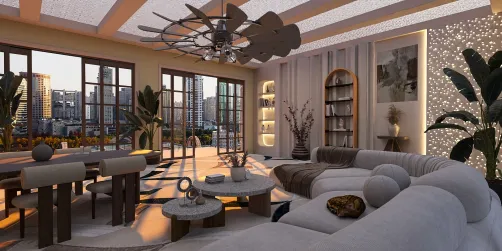
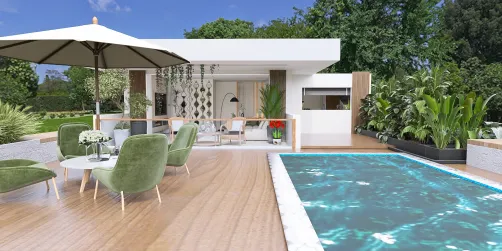
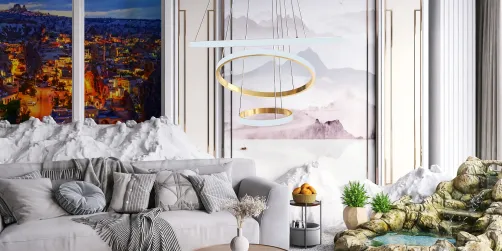
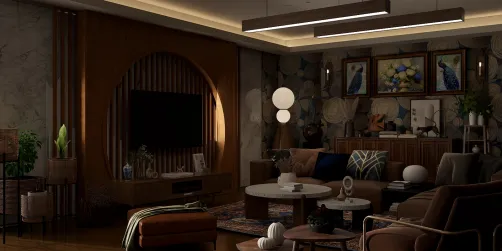
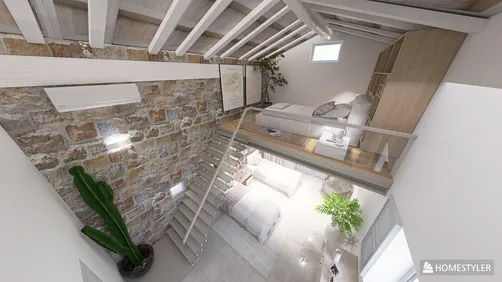
When it comes to keeping your home cool in the summer, I treat it like a multi-layered design challenge: mitigate heat at the source, slow its movement, optimize air circulation, and only condition areas that truly need it. This strategic combination enhances comfort while saving on energy costs. Research from Steelcase indicates that thermal comfort has a direct impact on cognitive performance and collaboration; even slight temperature changes can lead to decreased focus and wellbeing. The WELL v2 standard underscores the importance of maintaining ideal temperature and humidity levels, suggesting ranges typically between 24–27°C (75–81°F) for naturally ventilated spaces, with a relative humidity of about 30–60% to promote health and comfort.
The choice of lighting and materials significantly affects heat gain in any space. As per guidance from the IES, controlling daylight is essential—not just for brightness, but also for mitigating glare and solar heat. During peak hours, direct sunlight can introduce hundreds of watts of heat through windows. Utilizing outdoor shading solutions, advanced high-performance glass (SHGC ≤ 0.25–0.35 in hotter climates), and finishes with low heat absorption can effectively lower indoor temperatures even before you turn on air conditioning.
Design Strategy: Laying the Foundation for Passive Cooling
My primary focus is to reduce solar heat gain. The hierarchy of measures starts with external shading (such as overhangs, awnings, and adjustable louvers), followed by interior shading options like thermal-lined curtains and cellular shades, and finally, upgrading glazing. The east and west-facing windows require the most stringent control due to the low-angle sun's impact. Incorporating light-colored exterior elements and highly reflective roofs can deflect heat, while interior walls painted in lighter shades (with LRV 60–80) help amplify daylight and decrease reliance on heat-generating artificial lighting.
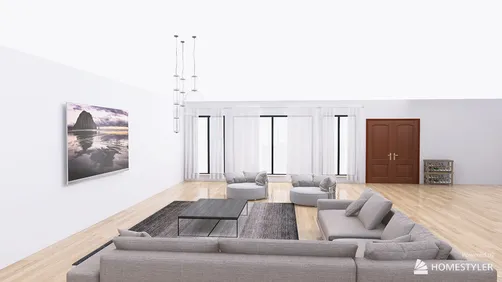
Cross-ventilation plays a crucial role during summer. I recommend placing openings on opposite walls at varied heights to allow cooler air to enter from low points while letting warmer air escape from above; this uses the natural stack effect. When rearranging spaces, it's vital to keep circulation paths unobstructed and align doors or transoms to encourage pressure differentials. If you're considering furniture layouts, a practical room layout tool such as Homestyler can assist in evaluating airflow paths prior to committing to your design.
Balancing Light, Color, and Heat to Improve Illumination
The heat generated from lighting is often an unnoticed issue. I prefer to specify high-efficacy LED fixtures (90+ lm/W) with dimming capabilities and occupancy/daylight sensors. Warmer light temperatures (2700–3000K) provide a cozy ambiance but can feel heavier in the summer heat; utilizing a tunable range that includes cooler settings up to 4000K during the day can create a perceptibly fresher atmosphere without becoming overly harsh. Following IES recommendations for glare control through tools like baffles, lenses, and indirect lighting can help maintain beneficial daylight while minimizing solar heat gain.
Color psychology subtly influences comfort as well. Insights from Verywell Mind suggest that cool colors, such as blues and greens, are associated with tranquility and perceived coolness, which can help shape thermal expectations. Higher light reflectance value (LRV) cool tones on walls serve to reflect light, reducing the required power for lighting and subsequently lowering internal heat gains.
Furniture, Layout, and Airflow Strategies
The arrangement and type of furniture can either trap heat or promote air circulation. It's advisable to avoid placing tall storage against exterior walls to prevent heat accumulation and ensure that vents are not obstructed by furniture such as sofas or headboards. For ceiling fans, the size and installation height are crucial; generally, a fan with a diameter of 48 to 56 inches mounted at a height of 7 to 9 feet can achieve a feeling of 2 to 3°C cooler temperatures at a low energy cost. Additionally, using counter-rotating window fans to enhance cross ventilation in the evening can be very effective.
In multi-functional rooms, I establish zones based on activities: cozy reading areas in cooler locations, workstations positioned away from west-facing windows, and play zones where airflow is most robust. Before finalizing the layout, I frequently utilize an interior layout planner—like Homestyler—to visualize arrangements of seating, ventilation sources, and airflow pathways.
Thermal Envelope: Choosing Materials to Combat Heat
If you can interact with the building's envelope, prioritize the insulation and performance of roofs and windows. Installing a radiant barrier in attics alongside R-38 to R-49 insulation is effective in hot climates for significantly reducing ceiling temperatures. For optimum window performance, aim for low-emissivity treatments with a well-balanced U-factor (≤0.30 when possible) and low solar heat gain coefficients (SHGC) on sun-drenched orientations. Adding thermal curtains with side tracks indoors can minimize convection loops around windows, while cellular shades contribute additional R-value.
Inside, opting for breathable furniture with low thermal mass in smaller rooms (like linen slipcovers and open-weave rugs) helps prevent spaces from feeling uncomfortably warm after sunset. Natural fibers are better at wicking moisture, thereby enhancing perceived comfort even at elevated temperatures.
Managing Humidity, Acoustics, and Comfort Perception
Controlling humidity levels is essential. The WELL v2 standard recommends maintaining 30–60% relative humidity to prevent microbial growth and ensure comfort. In humid conditions, utilizing a standalone dehumidifier can make temperatures of 26°C feel much more pleasant by lowering latent heat and moisture levels. It’s also crucial to make sure exhaust fans in kitchens and bathrooms are properly ducted and utilized regularly to expel excess moisture after activities like cooking or taking a shower.
Surprisingly, acoustics can influence thermal comfort more than many realize. When sound levels are low and consistent, individuals are often more tolerant of slight increases in temperature. Incorporating soft finishes such as rugs, curtains, and acoustic panels not only stabilizes background noise but also indirectly enhances thermal comfort during warmer periods.
Daily Routines and Behavioral Patterns
Small adjustments to daily habits can have a significant impact. Pre-cool your home early in the morning through open windows (when weather permits), and remember to close them and shades before outside temperatures rise. Use covered pots when cooking, and prefer induction cooking or microwaves during peak heat hours; pushing laundry until the evening can help reduce indoor heat buildup.
Smart Controls and Zoning Practices
Implementing smart thermostats, occupancy sensors, and room-specific zoning can enhance comfort by accurately conditioning spaces based on occupancy. I generally prefer to set thermostats a few degrees higher (26–27°C) when ceiling fans are used. Using sensor-activated shades to block sunlight during peak hours is also recommended. If equipped with mini-splits, consider using the dry mode to prioritize dehumidification during muggy days.
Windows, Shading, and Daylight Strategy
Layering shading methods can greatly improve thermal performance: begin with external devices for the best effect, then introduce interior light shelves and high-reflectance fabric shades. For east and west-facing windows, vertical fins can be effective, while for south-facing openings (in the northern hemisphere), expertly tuned overhangs are beneficial. Regular cleaning of glazing is essential, as dirty windows can increase heat absorption and glare.
Ensuring Healthy Air Movement with Fans
Setting ceiling fans to rotate counterclockwise in summer allows for optimal cooling by driving air downward. Aim for air speeds of 0.3 to 0.8 m/s for comfort, as speeds above 1.0 m/s may lead some individuals to feel drafts. Pairing ceiling fans with higher thermostat settings can extend compressor cycles, aligning with thermal comfort principles discussed by Steelcase and WELL’s guidelines regarding environmental controls.
A Checklist of Quick Wins for a Cooler Space
- By mid-morning, close shades on sun-exposed windows; consider opening them at night to take advantage of cooler outdoor temperatures.
- Seal any gaps around sills and AC units to prevent hot drafts from entering your home.
- Replace halogen or incandescent bulbs with LED options to reduce internal heat output.
- Consider adding reflective films or low-emissivity storm panels to upgrade older window installations.
- Use breathable bedding and rotate mattresses regularly to enhance airflow.
- For spot cooling, place a bowl of ice behind a fan, but prioritize addressing the source of heat first.
- Regularly maintain filters; dirty filters significantly reduce airflow and operational efficiency.
Resources for Further Learning
For those interested in deeper insights into workplace comfort and environmental controls applicable to living spaces, I recommend exploring research from Steelcase and the performance criteria outlined in WELL v2. These resources frequently connect thermal comfort, humidity control, lighting, and occupant behavior to tangible outcomes—vital information whether you're refining a living room design or planning a compact studio space.
Frequently Asked Questions
Q1: What temperatures and humidity levels feel comfortable during summer without relying heavily on AC?
A1: Aim to maintain a temperature range of 24–27°C (75–81°F) while keeping humidity levels between 30–60%. If you use ceiling fans, you might feel comfortable on the higher end of this range.
Q2: Which types of window treatments are most effective at reducing heat?
A2: Exterior shading options (such as awnings, shutters, or solar screens) provide the best performance. Inside, cellular shades and thermal-lined curtains fitted with side tracks effectively minimize both radiative and convective heat gain.
Q3: Can LED lighting contribute to cooler indoor temperatures?
A3: Yes, LED lights convert more energy into light rather than heat compared to halogen or incandescent bulbs, thereby reducing internal heating and easing cooling demands.
Q4: How can alterations in layout enhance summer comfort levels?
A4: Ensuring clear air movement paths between windows and doors, avoiding obstruction of ventilation by furniture, and keeping workspaces away from west-facing windows can significantly improve comfort. Testing ideas with a room layout tool like Homestyler prior to moving heavy furniture can be beneficial.
Q5: What window glazing specifications should I consider for hot climates?
A5: Look for low-emissivity glass with SHGC ≤ 0.25–0.35 on sun-exposed sides and aim for a U-factor around ≤0.30 if possible. Adding exterior shading is also key during peak sunlight hours.
Q6: Are ceiling fans worthwhile if I already have air conditioning?
A6: Definitely. Fans can allow for higher thermostat settings (often between 1–3°C higher) without sacrificing comfort, resulting in reduced energy consumption and reliance on the air conditioning system.
Q7: How can I effectively manage humidity in a small bedroom?
A7: Use a dehumidifier that’s the appropriate size, maintain humidity levels within 30–60%, make sure to run exhaust fans in bathrooms after showers, and avoid drying laundry indoors. Choosing breathable bedding can also aid in comfort.
Q8: Can color choices influence how cool a room feels?
A8: Absolutely. Cool colors (such as blues and greens) and lighter finishes with higher LRVs can reflect more light and subtly create an impression of coolness, which may reduce the need for bright artificial lighting.
Q9: What nighttime strategy is most effective when it’s cooler outside?
A9: To flush out heat, open windows on opposite sides for cross-flow ventilation, run a window fan to displace hot air, and then close windows by morning while drawing shades to retain the cooler air inside.
Q10: Do rugs and textiles have an impact on summer comfort?
A10: Yes, thick, high-pile rugs and heavy fabrics tend to retain heat. Opt for flatweave rugs and breathable natural textiles to diminish thermal mass and foster a cooler environment.
Q11: How can I limit heat generated from cooking?
A11: Utilize induction cooking or microwaves during peak heat times, ensure that range hoods are vented outside, schedule cooking for earlier or later in the day, and keep pots covered to limit steam and heat emission.
Q12: Where should I position a portable air conditioning unit?
A12: Position it near the hottest exterior wall, keep the exhaust duct short and straight, seal window kits properly, and avoid obstructing airflow with furniture.

Discover the magic of home design with Homestyler! This user-friendly platform offers an online design tool, stunning 3D renderings, and a wealth of DIY video tutorials. Whether you're redecorating or starting fresh, Homestyler inspires creativity and transforms your vision into reality effortlessly.









![Design [4]](https://hs-designs.homestyler.com/production/design/images/07c2de3a-88ec-4be8-8910-ff255b795bc2/1731419398293/7841697.jpg?x-oss-process=image/resize,w_502,m_mfit/format,webp)