- Wall finish: textured stucco or a compatible masonry surface.
- Roof: clay tile or a roof color that complements it.
- Openings: deep-set windows, arched forms, or simple rectangular openings with substantial trim.
- Metalwork: restrained wrought-iron railings, grilles, or lanterns.
- Landscape: olive trees, clipped shrubs, gravel, or drought-tolerant planting suited to the climate.
A Mediterranean facade can feel relaxed and substantial at the same time: sun-warmed stucco, a roof with visible clay tiles, and an entry that seems to invite you in rather than announce itself. The appeal of Mediterranean homes is not one signature arch or a particular shade of white. It comes from how the materials, openings, shade, and landscape work together.
You can borrow that character without turning a house into a theme set. Start with the parts that have architectural weight, then add smaller details with restraint. Below, we’ll look at the elements that make the style recognizable, how to combine them, and what to consider before changing an existing exterior.
What gives Mediterranean homes their lasting character?
Mediterranean architecture covers a broad range of regional traditions, so there is no single checklist that fits every home. Still, many facades share a practical, tactile quality: thick-looking walls, shaded openings, durable roof materials, and a close relationship between the house and its outdoor spaces.
Stucco is often the first thing people notice. Its softly irregular surface catches light differently from smooth siding, giving even a simple wall depth. Cream, warm white, pale sand, and muted ochre are common choices. The best shade depends on the roof, the local light, and the surrounding landscape. A bright white can look crisp in strong sun but stark in a shaded or overcast setting; a warmer off-white often feels more settled.
Rooflines matter just as much. Clay barrel tiles create a strong silhouette and a warm color note, while deep eaves and covered porches provide shade and visual shelter. Arched doors and windows soften the geometry, but they work best when they feel connected to the building rather than added as decoration.
Look for a few elements that reinforce one another:
The goal is not to collect every feature. A modest facade with a coherent palette usually reads more convincingly than one crowded with arches, columns, ornate ironwork, and decorative tile.


Five facade elements worth getting right
A useful way to approach Mediterranean homes is to separate the major architectural decisions from the finishing touches. If you are renovating, prioritize the roof, wall finish, and openings. If you are refreshing a sound exterior, paint color, lighting, and planting may do more than a costly decorative feature.
- Textured stucco walls
A hand-finished appearance gives the facade its characteristic softness. Choose a finish appropriate to the building and local weather; stucco systems vary, and the right installation matters more than trying to imitate a particular texture. For color, test large samples on more than one side of the house. Sunlight can make a warm cream look nearly white at noon and distinctly golden near sunset.
Best for: broad wall surfaces and simple forms. Effort: moderate to high if re-rendering; lower for repainting a compatible surface.
- Terracotta roof tiles
Clay tiles bring color, shadow, and a distinctive roof profile. Their weight, underlayment, drainage, and local code requirements make this a professional roofing decision, not a cosmetic weekend swap. If replacement is not practical, coordinate the existing roof color with the wall and trim palette instead of fighting it.
Best for: homes whose structure and climate suit tile roofing. Effort: high for a full roof project.
- Arched entries and windows
An arch can make a front door feel sheltered and give a plain elevation a focal point. A single well-proportioned arch is often enough. On an existing home, consider an arched canopy, recessed entry, or curved planting bed before altering structural openings.
Best for: a clear entry or a facade that needs one strong focal point. Effort: low for a nonstructural accent; high for structural changes.
- Wrought-iron details
Dark ironwork creates a crisp outline against pale walls. Use it where it has a purpose: a balcony guard, window grille, gate, or lantern. Repeating the same finish across a few locations helps the facade feel intentional. Too many decorative scrolls can make a restrained house look busy.
Best for: balconies, gates, and entry lighting. Effort: low to moderate, depending on fabrication and installation.
- Wood shutters and doors
Natural or painted wood adds warmth and helps balance stucco and tile. Shutters should relate to the window size; undersized decorative shutters can look like an afterthought. A substantial front door, meanwhile, can anchor the whole elevation without adding more ornament.
Best for: adding warmth and a human-scale detail. Effort: moderate, with maintenance needs depending on exposure.


Choose a palette that belongs to the house
Color is where a timeless facade can become either calm or overly theatrical. Start with the fixed materials: roof, stone, brick, and paving. Then choose a wall color that sits comfortably beside them. Finally, use a darker accent for shutters, doors, or ironwork.
| Facade element | Reliable direction | What to watch |
|---|---|---|
| Stucco | Warm white, ivory, pale sand | Test in direct sun and shade |
| Roof | Terracotta, clay, muted red-brown | Coordinate with existing roof material |
| Shutters or door | Olive, deep brown, muted blue, natural wood | Repeat the accent sparingly |
| Ironwork | Black, dark bronze, aged metal | Keep the finish consistent |
| Stone or paving | Cream, beige, weathered gray | Avoid competing undertones |
A restrained palette does not have to be bland. Texture supplies much of the interest: rough stucco beside smooth stone, a shadowed arch beside a sunlit wall, or a timber door against a pale facade. I usually prefer one strong accent color and a few natural materials over several competing paint colors. It gives the architecture room to do its job.
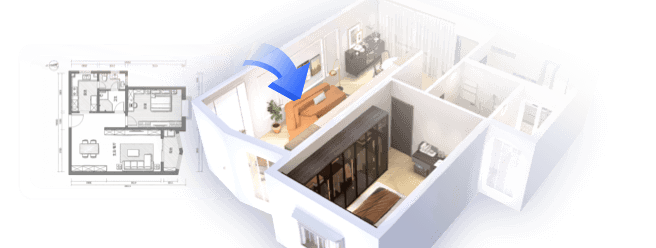
Before committing, view samples at different times of day and from the street. A color that looks subtle on a small chip can dominate an entire elevation. If you are planning a larger refresh, Homestyler can help you test proportions and color relationships before you settle on a direction.


Keep the details grounded in climate and scale
Mediterranean-inspired design is often associated with sunny, dry settings, but a facade still has to work where it stands. Rainfall, freeze-thaw cycles, coastal air, and intense sun affect material choices and maintenance. Ask a qualified local contractor which stucco system, roof assembly, sealants, and metal finishes suit your conditions. A look borrowed from another climate is only timeless if it performs well at home.
Scale is another quiet test. A small house may need one arched entry and a simple lantern, not a row of oversized columns. A large facade can carry deeper recesses or a balcony, but those features should align with the windows and roofline. When in doubt, repeat a detail rather than invent a new one: matching iron finishes or consistent window proportions create order.
For a practical refresh, work from large to small:
- Confirm the condition and color of the roof.
- Select a wall finish that suits the existing substrate.
- Decide whether the entry needs emphasis or simply better lighting.
- Choose one or two accent materials, then repeat them.
- Finish with planting that fits the local climate and the scale of the facade.
I’ve seen exterior plans get less convincing when every available Mediterranean reference is added at once. The restraint is part of the style. A shaded doorway, a warm wall, and a roof with a clear profile can say more than a dozen decorative flourishes.
Start with the facade you already have
You do not need a complete rebuild to bring Mediterranean character to a home. Begin by identifying what is already working: perhaps the roof has a warm tone, the entry is recessed, or the walls have a natural texture. Build around those features instead of covering them up.
For a modest update, consider a warmer exterior color, a more substantial front door, coordinated dark metal lighting, or planting that softens the approach. For a major renovation, resolve roof and wall materials first, then decide whether new arches, shutters, or stone details genuinely fit the architecture.
Built on technology originally developed at Autodesk, Homestyler empowers anyone to design beautiful, realistic spaces in minutes. Join over 20+ million registered users (platform data, 2026) who have already discovered a smarter way to plan, visualize, and bring their dream homes to life — all from the comfort of a browser.
The most successful Mediterranean homes feel connected to their setting, not copied from a postcard. Keep the palette simple, let materials show their texture, and give the entry a clear sense of welcome. If you want to compare facade colors and proportions before making a commitment, sketch out a few options in Homestyler. A little planning can help you choose the details that belong—and leave the rest out.
Дизайн сейчас бесплатно