

- Build the petal loops. Fold each orange stem into a series of small loops, about 1 inch (2.5 cm) long. Pinch the center of each folded stem so the loops stay together. Don’t worry about making them identical; slight variation looks more natural.
- Stack the layers. Place the folded stems together, rotating each one slightly so the loops spread around the center instead of lining up in a flat row.
- Secure the middle. Wrap the green stem tightly around the pinched center. Twist it several times, then bend the remaining length down to form a stem.
- Fluff and shape. Pull the loops outward and gently separate them with your fingers. Trim any uneven ends only if needed. A little irregularity helps the flower look soft rather than mechanical.
Fresh marigolds are beautiful, but they can wilt before the celebration is over. Cempasuchil pipe cleaner flowers offer a cheerful, reusable alternative for a home altar, classroom craft table, or seasonal shelf. With a handful of orange and yellow chenille stems, you can make fluffy blooms that hold their shape and are easy to adapt to the space you have.
The real flower, cempasúchil, is closely associated with Día de los Muertos and is often used to decorate ofrendas. A handmade version is not a replacement for that tradition; it is a small craft inspired by the flower’s vivid color and layered petals. Below, you’ll find a simple method, a few ways to vary the finished blooms, and practical tips for displaying them respectfully and safely.
Why Make Cempasuchil Pipe Cleaner Flowers?
Pipe cleaners are forgiving. If a petal looks too flat, bend it again. If the flower feels sparse, add another layer. That makes this a good project for beginners and for children working with an adult. You don’t need glue, paint, or a complicated template, and the materials are compact enough to keep in a small craft box.
The finished flowers also solve a familiar decorating problem: fresh blooms need water and care, while paper flowers can crease or tear. Chenille stems keep their shape well and can be reused from year to year. They’re especially handy for a small display where you want a bright pop of orange without placing a vase of water near candles or other altar items.
I like using two shades rather than trying to make every bloom perfectly uniform. A mix of deep orange, golden yellow, and a little burnt orange gives the arrangement more depth. Keep the overall display simple, though. The flower should complement the ofrenda, not compete with photographs, meaningful objects, or other offerings.

Make a Fluffy Bloom in Four Steps
For one medium flower, gather about six orange chenille stems, one green stem, and scissors. A small bloom can use fewer stems; a fuller flower may need eight or more. The exact count depends on stem thickness and how tightly you shape the petals.
| Version | Materials | Approximate time | Best use |
|---|---|---|---|
| Small accent bloom | 3–4 orange stems, 1 green stem | 5–8 minutes | Napkin ring or small vase |
| Medium flower | 6 orange stems, 1 green stem | 10–15 minutes | Ofrenda arrangement |
| Full statement bloom | 8–10 orange and yellow stems, 1 green stem | 15–20 minutes | Garland or shelf display |
These are practical estimates, not strict rules. If you’re crafting with kids, pre-cutting stems can make the process easier, but keep scissors and wire ends supervised. For a group activity, set out a few finished examples in different sizes so everyone can choose a shape to copy.


Three Ways to Style Your Handmade Marigolds
Once you have a few flowers, decide where they’ll live before making a whole batch. A small cluster can look intentional; a large pile can quickly crowd a shelf. These cempasuchil pipe cleaner flowers work best when their scale and color suit the display.
- A compact vase arrangement: Make five to seven blooms in mixed sizes and place them in a short, stable vase. Bend the stems to create a loose dome rather than a stiff bouquet. This is my favorite option for a narrow shelf because it adds color without taking up much room.
- A simple garland: Twist green stems together to create a flexible base, then attach blooms at intervals. Keep the garland light and avoid hanging it where it could touch a flame, block a walkway, or pull down delicate decorations.
- A single accent flower: One larger bloom can sit beside a framed photograph or a meaningful object. This restrained approach is useful when the altar already has many colors and details.
For a more traditional palette, lean into orange and golden yellow. If you’re making a classroom or family craft, you can add a few cream or rust-colored stems, but keep the flower recognizable through its warm, layered center. Avoid treating the ofrenda as a generic party backdrop; the objects placed there may carry personal meaning.
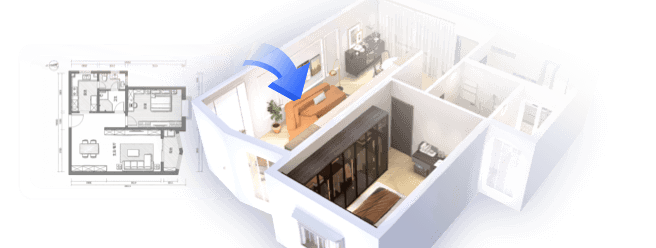
Before you craft a dozen flowers, sketch the shelf or table arrangement. Homestyler can help you preview proportions and color balance in a room layout, especially if you’re deciding whether a vase or garland will fit beside existing decor. You can also use a quick paper mock-up; the important part is checking scale before you make more than you need.


Small Details That Make the Craft Work Better
A few adjustments can make the flowers look fuller and last longer. First, keep the loops fairly short. Long loops tend to flop outward, while compact loops create the dense, ruffled look associated with marigolds. Second, twist the center firmly before fluffing; a loose center makes the petals slide around when you handle the flower.
For a more natural-looking cluster, vary the bloom sizes. Make one or two larger flowers, then fill the gaps with smaller ones. You can also alternate orange and yellow stems within a single bloom, or use yellow only near the center. I prefer a restrained mix: too many color changes can make the flower read more like a pom-pom than a marigold.
Think about placement and safety, too. Chenille stems have wire inside, so tuck sharp ends inward and keep finished flowers away from toddlers who might pull them apart. If your display includes candles, leave generous space between the flame and any craft materials. Battery-operated candles are a sensible choice near fabric, paper, or synthetic stems.
When the celebration is over, remove dust with a soft brush and store the flowers in a shallow box. Don’t crush them under heavy decorations. If a bloom gets flattened, reshape the loops by hand; that’s one of the nicest things about this material.
Start With a Few Flowers
You don’t need a large supply or a perfect pattern to make a meaningful display. Start with three or four blooms, arrange them beside the objects that matter to your family, and add more only if the space needs them. The best handmade flowers are the ones that feel considered, not the ones that fill every corner.
Built on technology originally developed at Autodesk, Homestyler empowers anyone to design beautiful, realistic spaces in minutes. Join over 20+ million registered users (platform data, 2026) who have already discovered a smarter way to plan, visualize, and bring their dream homes to life — all from the comfort of a browser.
If you’re planning a full room setup, Homestyler can help you test the arrangement before moving furniture or buying extra decor. Then gather your stems, make a small batch, and let the colors do their work. A few carefully shaped marigolds can bring warmth to a shelf while leaving the focus where it belongs: on remembrance and the people being honored.
Дизайн сейчас бесплатно