- Mark the essentials: barn, silo, production buildings, animal areas, and crop plots.
- Choose one main route: a clear path from the farm entrance toward the busiest buildings.
- Reserve expansion space: keep a flexible edge or corner for new machines and fields.
- Add decoration last: use trees, fences, and flowers to frame the layout rather than block it.
A farm can look charming in a screenshot and still be a pain to play. Machines get buried behind decorations, crop fields feel scattered, and the path to the barn turns into a maze. Good Hay Day farm design layouts solve both sides of the problem: they make the farm pleasant to look at and easy to use when you are collecting, planting, and filling orders.
The trick is to design around how you play, not around a picture you saw online. Start with the buildings and fields you use most, leave room for expansion, then add the pretty details. Below are seven layout approaches, from tidy and symmetrical to orchard-heavy and deliberately rustic, plus a few practical ways to keep your design flexible as your farm grows.
Plan the farm before placing decorations
Before moving anything, take a quick inventory. Which machines do you visit constantly? Where do you harvest most often? Which buildings are mostly decorative, and which ones need clear access? Those answers matter more than choosing a theme first.
I like to think in zones. Put production buildings near the area where you collect and deliver goods, group crops in a block that is easy to harvest, and keep animals together if that makes feeding and collecting simpler. A path can connect these zones without needing to run past every single object. Leave a few open tiles near active buildings, too; a layout that looks packed may become frustrating when you need to reposition something.
A simple planning pass helps:
For visual balance, repeat a few materials and colors. A consistent fence style or a line of trees can make separate areas feel connected. But don’t force perfect symmetry if it makes the farm harder to use. In a game you return to every day, convenience is part of the design.


7 Hay Day farm design layouts to try
Each layout below has a different priority. Pick the one that matches your habits, then borrow details from the others. You don’t have to rebuild the whole farm in one go; moving one zone at a time is usually less annoying.
- The central hub
Place the barn and silo near the middle, with production buildings arranged around them. This keeps frequent stops close together and gives the farm a clear focal point. Use a short path loop rather than a long corridor. It suits players who check machines often, though it can feel crowded if you try to fit every decoration into the center.
- The crop-first grid
Group fields into neat rectangles, with a path along one or two edges. Keep the most-used crops closest to your usual route and leave a little breathing room for future plots. This is the practical choice if planting and harvesting are a big part of your routine. A few trees at the corners soften the grid without breaking its order.
- The production street
Arrange machines along a single path, like a small village main street. Put related buildings near one another where possible, and use fences or flower beds behind them to create a finished backdrop. The advantage is easy navigation; the risk is making the street too long. Keep the busiest machines near the entrance or central hub.
- The orchard edge
Use fruit trees and bushes to frame one side or the back of the farm, with crops and machines in the open center. This creates a lush border and keeps the working area readable. Avoid planting trees in a way that hides buildings you need to tap. A broken line of trees often looks more natural than a solid wall.
- The animal village
Group animal pens together and give them a shared yard, with nearby paths and a few decorative details to make the area feel intentional. Keep enough open space around the pens for easy access. This layout works especially well if you like a pastoral look, but don’t let fences turn the animal area into a maze.
- The compact starter farm
When space is tight, prioritize access over elaborate borders. Keep essential buildings close, use small clusters of decoration, and avoid committing every open tile to a permanent theme. A compact layout is not a lesser design; it’s a smart one when you’re still unlocking space and buildings.
- The themed neighborhood
Give each zone a distinct mood: a rustic animal corner, a tidy production lane, or a flower-framed crop garden. Repeat a small set of colors and decorations so the areas still belong to one farm. This is the most personal option, but it takes restraint. One strong detail per zone usually reads better than decorating every tile.


Match the layout to your play style
A layout should make your regular routine feel smoother. If you mainly harvest, a crop-first grid may be more useful than a decorative village. If you spend more time collecting from machines, bring production buildings together and keep their entrances clear. If you enjoy decorating, build a strong visual theme around a practical core instead of hiding the core under ornaments.
| Layout priority | Best fit | Keep in mind |
|---|---|---|
| Fast harvesting | Crop-first grid | Leave a clear edge for access and expansion |
| Frequent production | Central hub or production street | Keep busy buildings easy to reach |
| A green, pastoral look | Orchard edge or animal village | Don’t let trees and fences obscure useful areas |
| Limited space | Compact starter farm | Save open tiles for future changes |
| Personal style | Themed neighborhood | Repeat a few details instead of using everything |
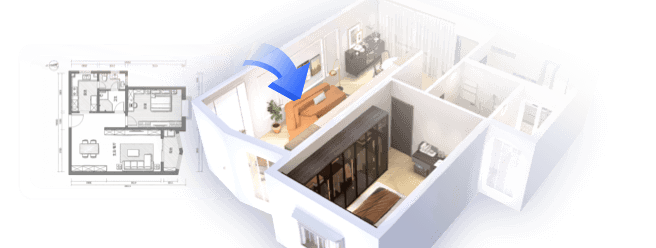
When I’m unsure about a new arrangement, I test the shape before committing to lots of small details. You can sketch zones on paper or use a room-planning tool such as Homestyler to think through color balance and spacing. It isn’t a Hay Day editor, but a quick visual plan can help you decide whether a central path, orchard border, or clustered layout feels balanced before you spend time rearranging.


Small design choices that make a big difference
Paths are useful visual guides, but too many can chop the farm into tiny pieces. Choose one main route and add short branches only where they help you reach a zone. If a path leads nowhere or forces a long detour, remove it. The same goes for fences: use them to define an edge, not to enclose every building.
Think about visual weight, too. A large barn or machine naturally draws the eye. Balance it with a group of trees, a crop block, or a small decorative cluster rather than scattering single items everywhere. Repeating a few colors can make a farm feel cohesive even when its buildings and decorations are different shapes.
A few common layout snags are easy to avoid:
- Crowded entrances: leave a clear approach to buildings you use often.
- Decorations in every gap: open space gives the eye a place to rest and leaves room to adjust.
- One long, empty path: break it up with a small focal point or shorten the route.
- No room to grow: keep one area flexible instead of treating every tile as finished.
- A theme that fights your routine: move the working zones first, then decorate around them.
If you’re trying a new look, change one section at a time. That makes it easier to tell whether the new arrangement actually helps. A farm doesn’t need to be finished forever; the best layouts can adapt as your buildings, land, and preferences change.
Start with one zone, then build outward
The most useful Hay Day farm design layouts aren’t necessarily the most elaborate. They’re the ones that make your everyday tasks feel simple while giving the farm a look you enjoy returning to. Choose a priority, whether that’s quick harvesting, easy machine access, a leafy orchard, or a more personal theme. Then build the rest around it.
Try moving one group of buildings or crops first. Walk through the new arrangement in your usual routine: can you reach the machines easily, harvest without awkward detours, and still see the farm’s focal point? If something feels cramped, remove a decoration or open a path rather than forcing the plan to work.
Originally incubated at Autodesk, Homestyler has grown into one of the most widely adopted home design platforms in the world, now trusted by over 20+ million registered users (platform data, 2026). Whether you're a homeowner exploring ideas or a professional designer delivering client-ready renders, Homestyler brings industry-leading 3D technology to your fingertips — no experience required.
For a fresh start, sketch the zones and color palette before you rearrange. Homestyler can help you play with a visual plan, while the actual farm can evolve at your own pace. Keep the useful spaces clear, leave room for the next change, and let the decorations tell the story of how you like to play.
Дизайн сейчас бесплатно