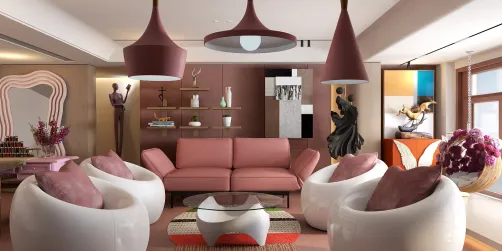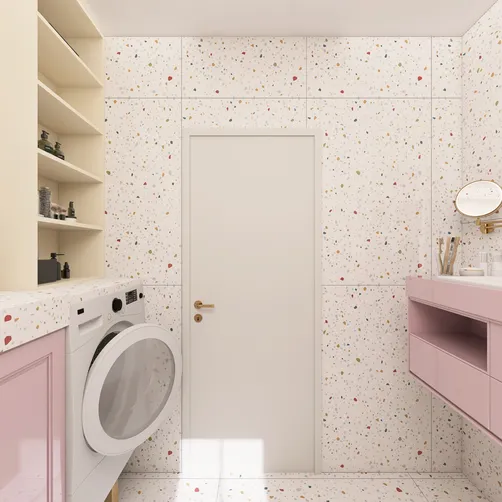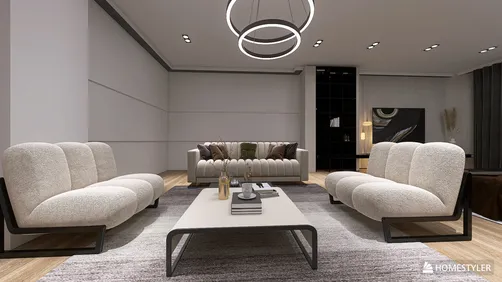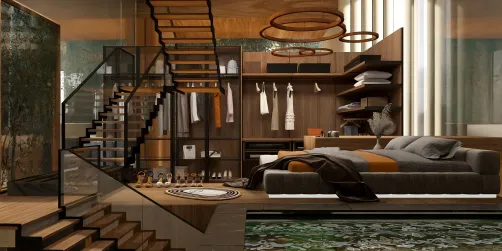

- Hang a tall mirror where it reflects light. Choose a simple frame and position it across from a window or near a bright doorway. A full-length mirror is especially useful by the entry, where it earns its place twice: it reflects light and gives you a last outfit check. Secure it properly, particularly in a home with children or pets.
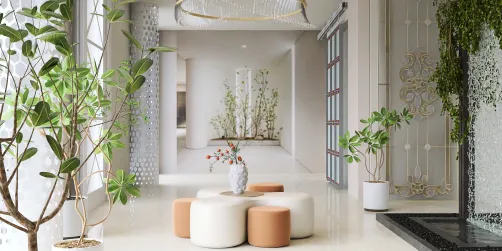
A narrow hallway can feel like a passage you hurry through rather than part of your home. The right hallway ideas can change that without moving a wall or filling the space with decor. Think of a tall mirror that catches daylight, a runner that guides the eye forward, and storage shallow enough to keep the walking path clear.
The goal isn’t to make every hallway bright white or completely empty. It’s to make the proportions feel intentional and give the eye somewhere to travel. These practical updates work in rentals and owned homes alike, with options for different budgets, awkward layouts, and the everyday pile of shoes that somehow appears by the door.
Start with the sightline, not the shopping list
Before buying anything, stand at the entrance and look toward the far end of the hallway. Notice what stops your eye: a dark door, a bulky cabinet, a cluster of coats, or a light fixture that feels too small. Clearing or simplifying that first view often makes a bigger difference than adding another decorative object.
A mirror is useful when it reflects something worth seeing, such as a window, a bright room, or a warm lamp. A mirror facing a blank wall mostly reflects the blank wall, so placement matters. In a tight corridor, a tall, narrow mirror can add a sense of height without taking up floor space. If you’re renting, use a secure over-door mirror or removable hanging hardware rated for the mirror’s weight; don’t rely on a tiny adhesive hook for a heavy piece.
Lighting deserves the same attention. One ceiling fixture can leave the ends of a hallway gloomy, especially if the corridor has no window. A warm, diffused bulb and a second light source near the entry or far end can soften the contrast. If hardwiring isn’t an option, a plug-in wall light or a small lamp on a shallow shelf can help, provided cords don’t cross the walking route.
Keep the floor visible. A clear path makes a narrow space read as wider, while a low-profile runner adds texture without creating a tripping edge. I’d rather see one useful hook rail and a small tray than a console table that turns the hallway into an obstacle course.

Hallway ideas that open up a tight layout
Small hallway ideas work best when each choice solves a real problem. Measure the clear walking width before adding furniture, and check door swings, closet access, and the route people take when carrying bags or laundry. A piece that looks slim online can still feel bulky in a narrow passage.
- Choose a runner that leads the eye forward. A long, low-pile runner can emphasize the hallway’s length and add softness underfoot. Leave a visible strip of floor along both sides if the corridor allows; a rug that nearly touches every wall can make the space feel more crowded. Use a non-slip pad and make sure the door clears the rug.
- Swap deep furniture for shallow storage. A narrow floating shelf, a slim shoe cabinet, or a row of wall hooks can handle daily essentials without claiming the whole passage. Measure the depth and test the route with painter’s tape on the floor before committing. If the hallway is especially tight, hooks may be more practical than any cabinet.
- Use the walls for a small, deliberate gallery. A few similarly sized frames arranged in a clean line can draw the eye down the corridor. Keep the art simple and the spacing consistent; a dense mix of frames, colors, and objects can feel busy in a space you pass through quickly. For a rental, lightweight frames and removable picture strips are easier to undo.
- Give the ceiling a little attention. A compact flush-mount fixture keeps the overhead view tidy, while a lighter ceiling color can make a low hallway feel less compressed. If you’re repainting, test a sample in both daylight and evening light. A color that looks soft at noon may turn gray under a cool bulb.
- Make the entry landing zone small but functional. A tray for keys, one basket for gloves, and a few hooks are often enough. The trick is setting a limit: when the basket is full, it’s time to put things away. I’ve found that open storage only looks calm when it has a clear job and a little breathing room.


Pick finishes that suit your hallway
There’s no single paint color or flooring choice that makes every corridor feel larger. A windowless hallway may benefit from a warm off-white that reflects available light, while a hallway with strong daylight can handle a muted color without feeling dim. Glossy finishes bounce more light, but they also show scuffs and uneven walls more readily. A washable matte or eggshell finish is often a sensible middle ground for a busy route.
| Feature | Works well in a small hallway | Watch out for |
|---|---|---|
| Wall color | Warm white, pale greige, or a restrained soft color | Cool gray can look flat in low light |
| Mirror | Tall, slim shape placed to reflect a bright view | Reflecting clutter can double the visual noise |
| Runner | Low pile, properly secured, with floor visible at the edges | Thick rugs can catch doors and create a trip point |
| Storage | Hooks, floating shelf, or shallow cabinet | Deep furniture narrows the walking route |
| Lighting | Warm, diffused light with more than one source where possible | A single harsh bulb can create dark corners |
For a little personality, repeat one accent color in the art, runner, or hooks rather than introducing a new finish at every turn. Natural wood and woven textures can warm up a pale scheme, but keep the number of materials modest. In a small hallway, consistency reads as calm.
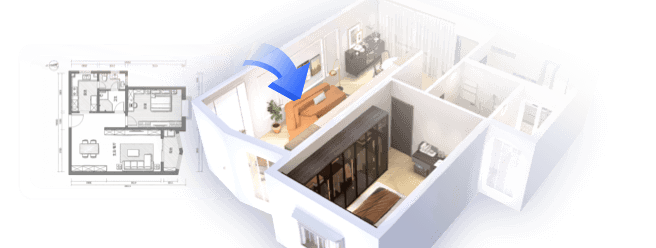
If you’re unsure whether a mirror, console, or paint color will overwhelm the proportions, sketch the layout first. Homestyler can help you preview scale and color combinations before you buy or install anything. Even a rough plan makes it easier to spot a crowded corner before it becomes a permanent one.


Small hallway mistakes that make the space feel tighter
The most common mistake is treating a hallway like a miniature living room. A deep console, several baskets, a large plant, and a gallery wall may each look good on their own, but together they compete for limited width. Keep the floor plan simple and let one or two details do the work.
Another trap is choosing a mirror without considering what it reflects. If it faces a coat pile or a cluttered shelf, the hallway can look twice as busy. Move the mirror, edit the reflected area, or use a framed print instead. Likewise, a runner should fit the route rather than cover every inch of floor. A little visible flooring around it helps define the corridor.
Don’t overlook door clearance. Measure the swing of the front door, closet doors, and any nearby room doors before installing hooks or placing a cabinet. For a narrow passage, even a few inches can determine whether a storage piece is convenient or constantly in the way.
Finally, avoid relying on one overhead light to solve everything. A brighter bulb may help, but harsh light can make a small hallway feel stark. Choose a warm tone and add a second source where practical. If you can’t add a fixture, a mirror positioned to catch light from an adjoining room is a simple alternative.
Make one change, then live with it
You don’t need to redo the whole hallway in a weekend. Start by clearing the floor, improving the light, or moving a mirror to a better spot. Live with that change for a few days before adding storage or art. It’s easier to see what the space actually needs once the visual clutter is gone.
For a quick plan, measure the hallway width, note the door swings, and choose one priority: brighter, tidier, or more welcoming. Then pick a single update that supports it. A slim runner may be the right first move for a long corridor; wall hooks may matter more in a busy family entry.
What began as an Autodesk innovation has evolved into a design platform used by more than 20+ million registered users (platform data, 2026) around the globe. Homestyler combines powerful rendering, an intuitive editor, and a vast furniture library to help you turn inspiration into photorealistic designs — whether you're redesigning a single room or planning an entire home.
The best hallway ideas are the ones that make daily routines easier while leaving the passage open. Keep the walking route clear, use light and reflection with intention, and don’t buy furniture just because there’s technically room for it. If you want to test a layout or compare finishes before making changes, try Homestyler and see how the pieces work together first.
Дизайн сейчас бесплатно