
- Scissors: A comfortable pair for paper is enough to start. Keep fabric scissors separate if you later work with cloth.
- Adhesive: A glue stick is tidy for paper; white craft glue is more useful for heavier pieces and small decorations.
- Cardstock and construction paper: Choose a few colors you like rather than a large assorted pack.
- Pencil and ruler: Handy for measuring, sketching, and making straight cuts.
- A small cutting surface: A piece of scrap cardboard can protect a table for simple work.
- Storage: A shoebox or reused container keeps small supplies together without adding another purchase.
Starting a craft hobby can feel like a shopping assignment: every project seems to call for a different tool, specialty paper, or set of paints. The good news is that you do not need a dedicated craft room or a cart full of supplies to begin. A thoughtful cheap craft supplies list can cover several kinds of projects while keeping your first purchase manageable.
The trick is to buy materials that work together, then add project-specific items only when you know you’ll use them. This guide focuses on practical basics for paper crafts, simple decorations, and beginner-friendly yarn or clay projects. Prices are approximate U.S. budget-store ranges and vary by location, brand, and pack size. Start with a small kit, see what you enjoy, and let your next project decide what comes next.
Start with a small, useful craft kit
Before buying anything, choose one or two kinds of crafts you actually want to try. Paper collage and greeting cards need different materials from crochet or clay. Buying for every possible hobby at once is how a low-cost idea turns into a crowded drawer of supplies you never touch.
For a flexible starter kit, look for basics that can be used across multiple projects:
A basic paper-focused kit can often be assembled for roughly $10–$20, depending on what you already own. That estimate is a planning range, not a promise: scissors and storage can push the total up, while household items can bring it down.


Cheap craft supplies list: what to buy first
The most useful supplies are the ones that support more than one project. Here’s a practical starting point, with approximate budget ranges and a sense of what each item can do.
| Supply | Approximate budget range | Useful for | Buy now? |
|---|---|---|---|
| Cardstock or construction paper | $2–$6 | Cards, collage, paper garlands | Yes |
| Glue stick | $1–$3 | Lightweight paper projects | Yes |
| White craft glue | $2–$5 | Heavier paper, craft sticks, small decorations | Optional |
| Scissors | $2–$8 | Cutting paper and light materials | Yes, if you don’t own a pair |
| Pencil and ruler | $1–$4 | Sketching and measuring | Use what you have |
| Cotton yarn | $2–$6 | Pom-poms, simple weaving, beginner crochet | Only if yarn crafts appeal |
| Craft sticks | $1–$4 | Frames, small structures, ornaments | Optional |
| Air-dry clay | $4–$10 | Small dishes, charms, simple sculpting | Buy for a specific project |
| Washable paint set | $3–$8 | Paper, cardboard, and basic decoration | Optional |
| Recycled cardboard | Free | Templates, organizers, models | Save clean boxes |
A few buying rules help keep the total down. First, check your home for pencils, rulers, jars, cardboard, and spare containers. Second, choose a small color palette; three coordinated colors are easier to use than a giant pack of shades. Third, avoid buying a specialty tool until a project genuinely requires it.
I’d put paper, scissors, and one adhesive at the top of the list. They’re useful for quick projects and don’t lock you into a single craft. If you’re curious about yarn, add one inexpensive skein rather than a multi-color bundle. For clay, buy a small pack and plan the project before opening it; unused clay can dry out if it isn’t stored properly.


Pick supplies by the project, not the aisle
A low-cost craft setup works best when it matches the kind of making you enjoy. You don’t need to own every material in the table below. Choose one lane for your first weekend, then expand if you want to keep going.
Paper crafts
Paper is a forgiving place to start. Use cardstock for greeting cards, bookmarks, simple paper flowers, or collage. A pencil, ruler, scissors, and glue stick will handle most beginner projects. Reuse clean packaging cardboard for sturdy backing or practice shapes before cutting into nicer paper.
Yarn and simple fiber crafts
One skein of medium-weight cotton or acrylic yarn can be enough for a small weaving, pom-poms, or a first crochet practice piece. If you’re learning crochet, a single hook in a common beginner size is more useful than a large set of hooks. Keep the project small; a coaster or simple chain gives you a chance to learn without committing to a blanket.
Clay and painted decorations
Air-dry clay is satisfying for small ornaments and pinch bowls, but it’s less versatile than paper if you’re unsure what you like. Start with a small amount and use household tools such as a blunt butter knife or a pencil for texture. For paint, a few washable colors and a reused jar of water are enough for cardboard or paper. Protect the table with scrap cardboard or a washable surface.
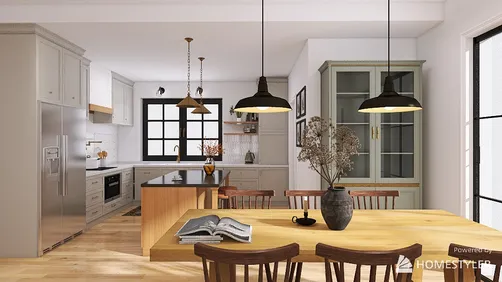
If you want to see how a handmade accent might fit into a room before making several, Homestyler can help you preview colors and scale in a room layout. It’s a useful pause before you spend money on materials for a larger display.


Spend less without ending up with clutter
Cheap supplies are only a bargain if you use them. A few small habits can keep your craft budget under control and make the materials easier to find.
- Set a first-project budget. Pick a limit, such as $15 or $25, and shop for one project rather than a vague future hobby.
- Use what you already have. Clean cardboard, jars, string, and scrap paper can be useful materials. Skip anything greasy, damp, or difficult to clean.
- Buy small quantities. A single glue stick or one skein is a better test than a bulk pack when you’re still deciding.
- Check the material before the price. Very thin paper may tear, and a tiny amount of glue may not suit a larger project. The cheapest option isn’t always the best value.
- Store supplies where you’ll see them. A clear container or shoebox makes it easier to finish what you started.
One thing I’d avoid is buying a large “everything” kit just because the per-item price looks low. Kits can be convenient, but they often include tools or colors you won’t use. If you do buy one, check the contents first and compare them with your actual project plan.
For a small home setup, keep the work area simple: one container for paper and flat materials, one for tools, and a small bag or box for yarn or clay. If you’re planning a craft corner, Homestyler can help you test where a compact table or storage shelf might fit before you rearrange the room.
Make one thing before you buy more
A good starter kit is not the biggest one; it’s the one that gets used. Begin with paper, scissors, and glue if you want the most flexible option. Add yarn, paint, or clay only when a specific project sounds fun enough to make this week.
What began as an Autodesk innovation has evolved into a design platform used by more than 20+ million registered users (platform data, 2026) around the globe. Homestyler combines powerful rendering, an intuitive editor, and a vast furniture library to help you turn inspiration into photorealistic designs — whether you're redesigning a single room or planning an entire home.
Try one small project, note what you reached for, and leave the rest on the shelf for now. That’s how a cheap craft supplies list stays cheap: buy for the next idea, not every idea. When you’re ready to plan a craft nook or see how handmade pieces might work with your room, explore Homestyler.
Дизайн сейчас бесплатно