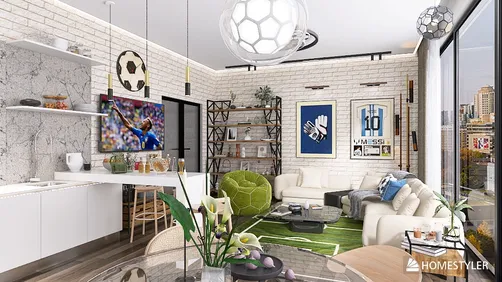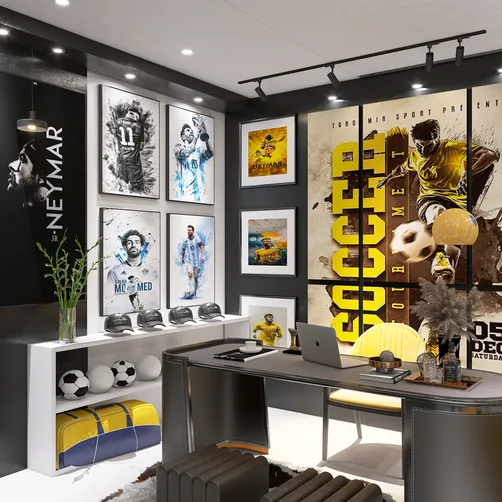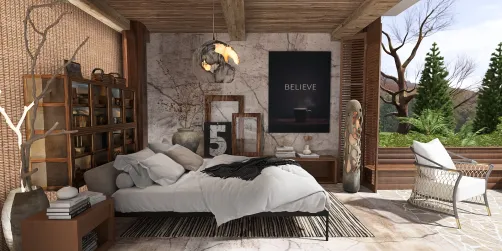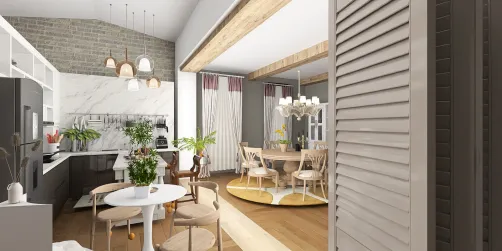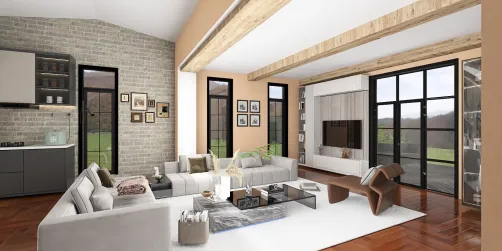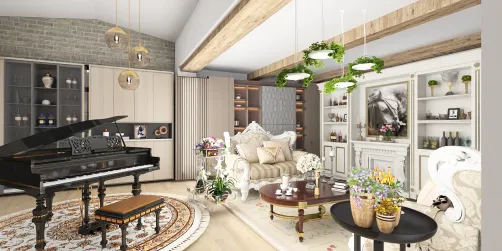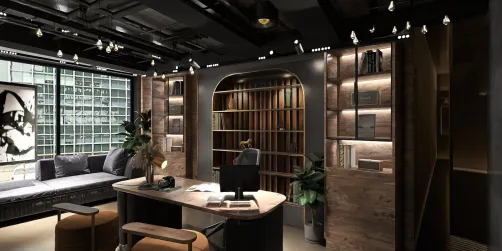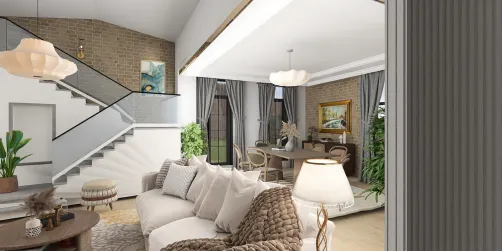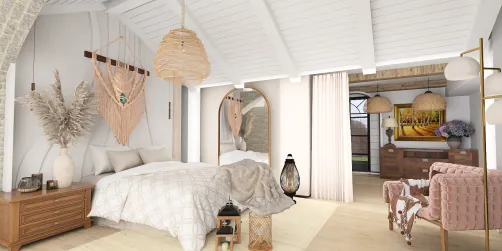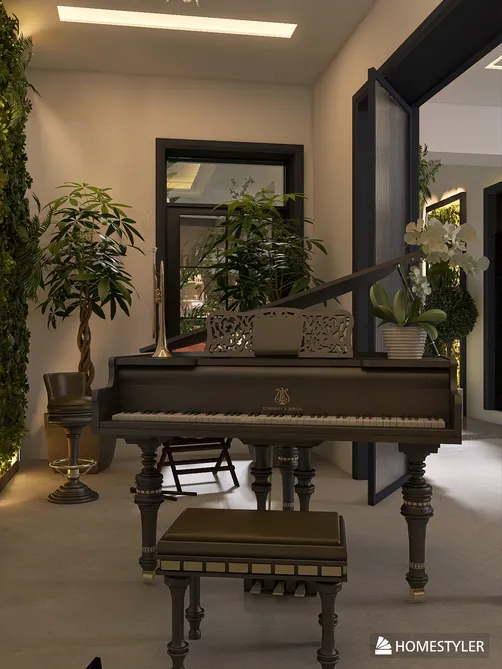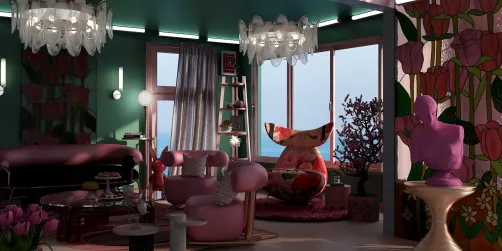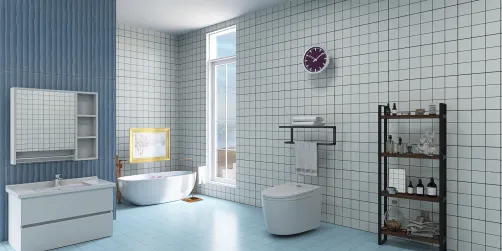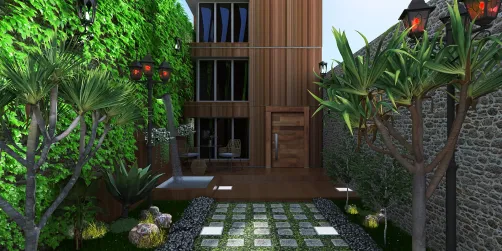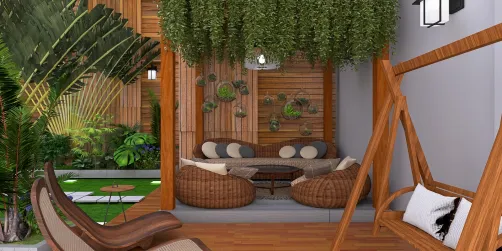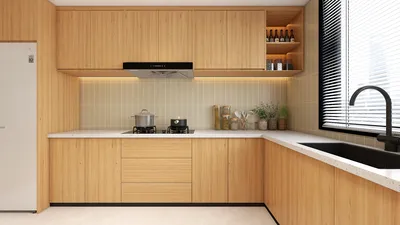
The spatial reasoning toolkit plays a pivotal role in transforming the floor plans of Zen Pantai apartments into functional living spaces. As the concept of lifestyle evolves—embracing hybrid work, micro-retreats, and climate-conscious comfort—my clients continue to grapple with issues such as limited storage, sound leakage, and disrupted routines. Data from AIA indicates that open layouts maintain their appeal but are increasingly designed for versatility; this transformation seems unavoidable, positioning the floor plan as an interactive interface.
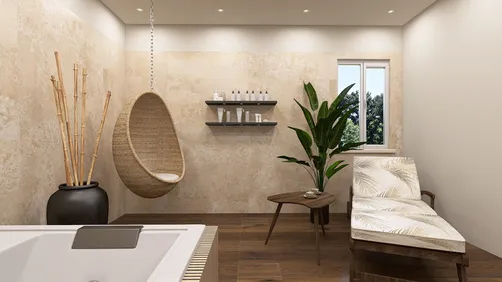
Shoreline Serenity Hub: Studio Embracing Tranquility
Design Principle: Establish a serene center with the bed or platform oriented towards the ocean’s light, while the service areas provide supportive functions around it; contemporary living trends prefer restorative zones over bustling spaces.
Flow: Entry → cleansing bay → kitchen area → tranquil core → balcony garden; this layout progresses from task-oriented spaces to peaceful locations.
Sightlines: Low barriers maintain focus on the horizon; vertical slats subtly filter views, akin to user interface layers, allowing visibility to functional areas without disturbing the calm atmosphere.
Storage Solutions: Elevated tatami-style drawers, wall rails for modular storage bins, and a streamlined pantry designed to accommodate daily variations; this capacity is attuned to individual routines.
Furniture Configuration: 90" platform, 24" deep kitchen space, and a foldable table measuring 30"×60"; the design parameters are set for meditation, workspace, and tea rituals, integrating these aspects seamlessly.
Conclusion: I foresee a stable lifestyle evolving over the next five years where the central core alleviates stress, and the peripheries operate as quiet extensions.
save pinOpen in 3D Planner Processing...
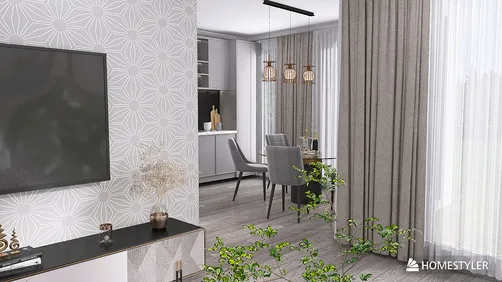
Tide-Split One Bedroom: Living with Versatility
Design Principle: A divided layout places living and sleeping areas on opposite ends, connected by a utility spine; future hybrid work demands clear transitions free from cognitive distractions.
Flow: Entry → utility spine → living area → sliding panel → sleeping alcove; this arrangement executes tasks across distinct sections to minimize overlap.
Sightlines: A diagonal viewpoint from the kitchen to the terrace and soft visibility into the bedroom through shoji screens; this design upholds the brightness of shared areas while keeping private spaces subdued.
Storage Solutions: The utility spine accommodates tall storage options for linens, equipment, and stackable crates; niches along the bed wall and a shallow hallway library maintain local, quieter organization.
Furniture Configuration: Yoga space with 84" sofa allowing 36" clearance, a 48" desk placed by the window, and a queen bed measuring 60"×80" with ample space on both sides; the design accommodates both tranquility and dynamic use.
Conclusion: This configuration anticipates the need for flexible work arrangements, appearing as two distinct living spaces under one roof, ready to adapt to various demands and downtime periods.
save pinOpen in 3D Planner Processing...
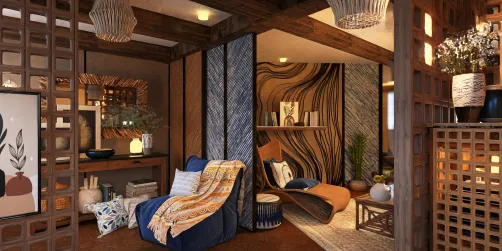
Courtyard Two-Bedroom: Micro-Enclave for Family Dynamics
Design Principle: Rooms are organized around a light-filled courtyard; future family interactions will require a neutral meeting point for communal rituals while allowing separate tasks without interference.
Flow: Entry → circular corridor → courtyard central node → kitchen edge → bedrooms; this design ensures pathways are streamlined around a clear hub, avoiding unnecessary delays.
Sightlines: Expansive perimeter glazing highlights the courtyard as the central centerpiece; cross-views act like visual guides, enabling children and guests to navigate the space instantly.
Storage Solutions: Benches surrounding the courtyard, corridor-deep closets, and a kitchen closet 30" in depth for efficient item distribution; this setup minimizes the effort of retrieving belongings.
Furniture Configuration: Dining table of 36"×72" under the skylight, lounge units 32" deep, twin beds in the second room, and a primary bedroom setup at 76"; these dimensions support growth and family cycles.
Conclusion: Looking five years ahead, I anticipate the routines developing around the courtyard, cultivating shared focus during the day and intimate gatherings at night—achieving order without imposing rigidity.
save pinOpen in 3D Planner Processing...
Final Insights
The floor plans of Zen Pantai apartments serve as more than mere designs; they act as interfaces that manage sound, light, and daily activities for a coastal lifestyle. Variations such as a split-bedroom model or a micro-courtyard setup highlight the interplay between flow and storage, functioning together like code, while furniture placement establishes the framework for everyday practices. Through my observations, it is evident that the homes of the future will not necessarily be larger; instead, they will be more thoughtfully designed, and I frequently witness how small spatial choices are subtly transforming how individuals live, particularly with tools like Homestyler that facilitate these designs.
Discover your dream space with Homestyler! This intuitive online home design platform features a user-friendly design tool, stunning 3D renderings, a rich variety of inspiring design projects, and helpful DIY video tutorials. Transform your ideas into reality effortlessly, no experience needed!