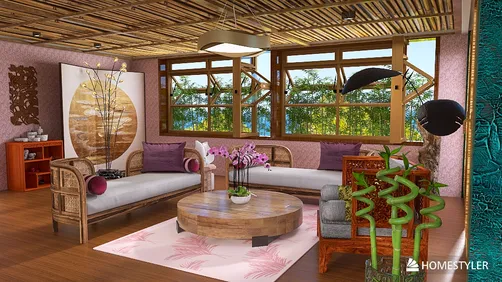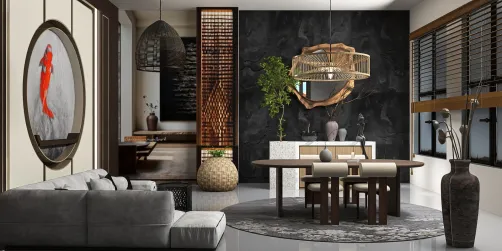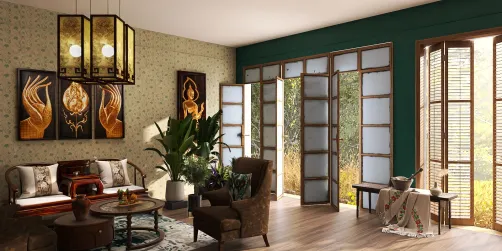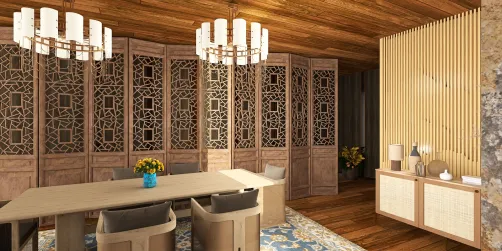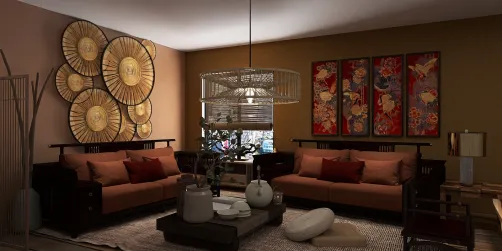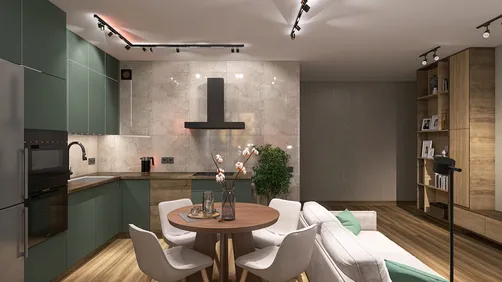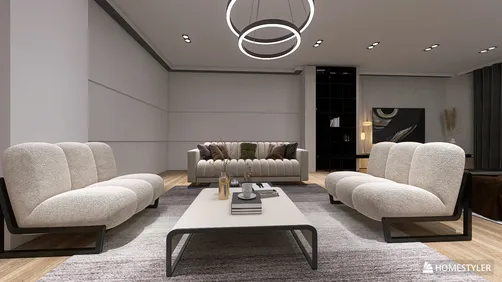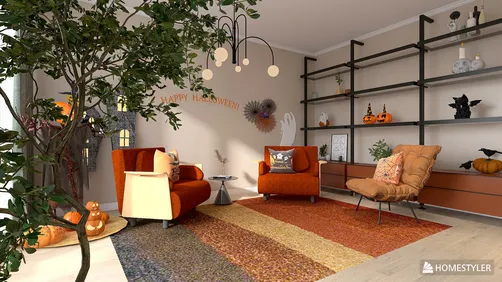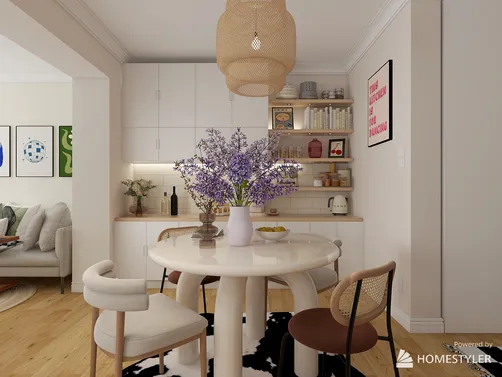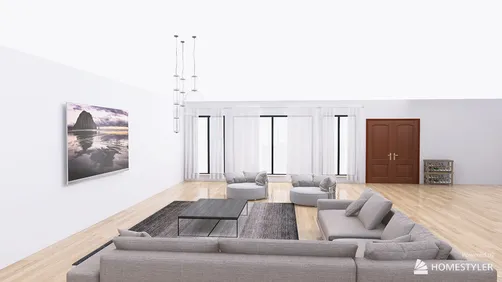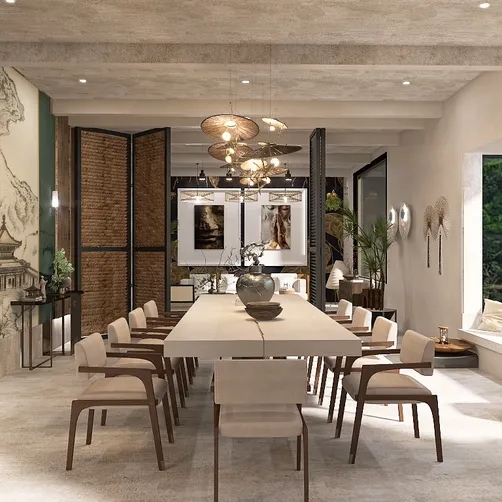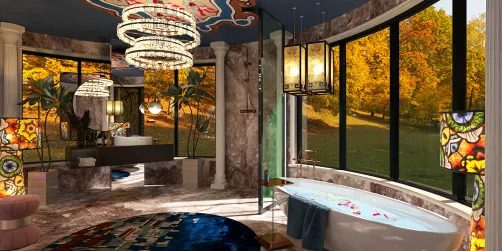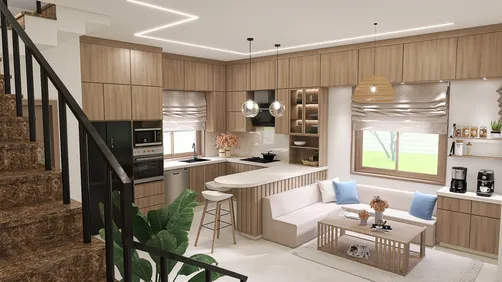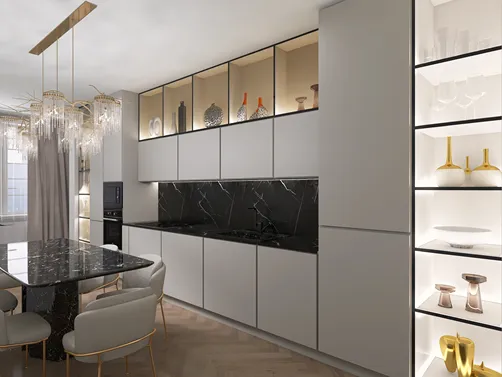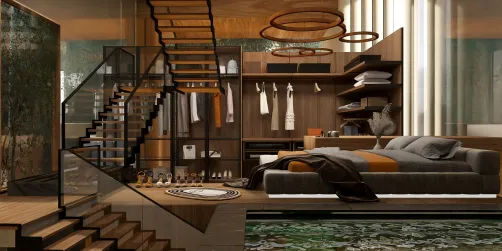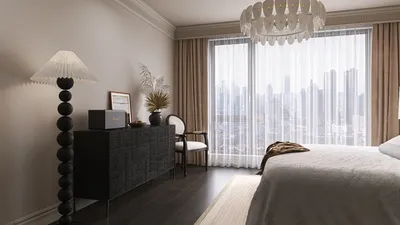
The evolving lifestyle in Chennai continually challenges the constraints of the present, including heat, limited parking, and changing family dynamics. To address these issues, I am designing G+2 stacked residences as versatile solutions. According to multi-family insights from Zillow, there is a growing need for compact urban units that utilize shared resources, which corresponds with a spatial reasoning toolkit applied to G+2 floor plans in Chennai apartments. I can already sense the future as I address the friction points reported by my clients today.
Ground Level: Micro-Community Hub with Courtyard Buffer
Design Principle: The ground floor supports both thermal regulation and social interactions; a shaded entrance court and lobby offer a cooling effect, while a centralized service core ensures readiness for water management, waste disposal, and EV charging.
Flow: Entry → shaded foyer → lobby hub → stair/elevator core → utility area; guest traffic is efficiently separated from deliveries, ensuring smooth movement.
Sightlines: Low-growing plants frame a direct view towards the core; translucent screens provide a balance of privacy while maintaining the lobby’s visual accessibility.
Storage: Shared storage lockers and meter cabinets serve as a safety layer, featuring labeled compartments and flood-resistant bases designed for resilience during monsoons.
Furniture Arrangement: Benches designed along 18–20 inch depths; parcel counters optimized to 30 inches deep, facilitating daily interactions.
Conclusion: This foundational level acts as a civic interface—it cools, organizes, and prepares the building for future electric mobility without increasing the footprint.
save pin
First Floor: Family Unit with Separate Thermal Zones
Design Principle: A 2-bedroom space is arranged into hot and cool areas—the kitchen and service zone located on the east, while living and sleeping areas are protected, reflecting Chennai's climate needs for differentiated comfort zones.
Flow: Entry → foyer hub → living area → bedrooms; the kitchen connects through a utility balcony, simplifying daily routines.
Sightlines: The living area opens onto a shaded balcony; bedrooms transition from semi-open to private spaces, with frames designed to enhance brightness similar to UI layers.
Storage: Wardrobe walls provide an organized storage option with 2-foot deep sections, along with overhead attics for seasonal items and under-bed compartments for quick access.
Furniture Arrangement: The sofa fits within a 9–10 ft area; dining tables span 5–6 ft to align with movement flow; bed placements maintain 3 ft clearances to optimize space.
Conclusion: This unit operates like well-written code—each component collaborates to minimize heat, noise, and movement impact for the family’s future needs.
save pin
Second Floor: Flexible Studio + Terrace Space
Design Principle: This level offers a future-ready option; the studio can transition between a home office and a guest suite, linked to a semi-covered terrace that supports urban gardening and nighttime cooling.
Flow: Entry → studio hub → wet area → sliding door to terrace; the layout bifurcates clearly between work and relaxation zones.
Sightlines: The terrace edges function like indicators—showcasing the sky, greenery, and urban sights—while interior glazing keeps the studio open and adaptable.
Storage: Modular shelving and deck boxes provide storage for tools, yoga mats, and gardening supplies; vertical storage efficiently utilizes the room’s height.
Furniture Arrangement: A foldable desk fits within a 4 ft section; a daybed transforms from a single to a queen size; outdoor bench planters are proportioned at 18–24 inches to maintain smooth spatial flow.
Conclusion: This floor is designed for hybrid work and lifestyle needs—an adaptable space that reinvents daily routines as Chennai evolves.
save pin
## Final Insights
A G+2 floor plan in Chennai apartments transcends mere room allocation; it transforms into a living interface that is attuned to heat, culture, and transportation needs. Variants such as duplex layouts, terrace studios, and family-focused designs create a resilient framework as urban densities increase. From my observations, the most intelligent homes of the future will not simply be larger in size—but rather more purposeful. My ongoing projects exhibit how thoughtful spatial choices can subtly redefine the way residents engage with their environments, integrated seamlessly with tools like Homestyler to bring these designs to life.

Homestyler is your go-to online home design platform, offering an intuitive design tool, stunning 3D renderings, and a wealth of inspiring design projects. With helpful DIY video tutorials, you can easily transform your ideas into reality, making home design both fun and accessible!