As we look toward the future, current homes still face challenges such as noise bleed, disjointed routines, and inefficient storage solutions. Recent industry analyses highlight a notable trend towards multi-level living, with data from Zillow and NAHB indicating an increasing demand for versatile living spaces. To effectively navigate these needs, having a spatial reasoning toolkit can serve as the underlying framework for designing a two-story home. I approach my design work with the understanding that the customs of tomorrow are already resonating within our walls today.
Main Level: A Social Hub Surrounded by Tranquility
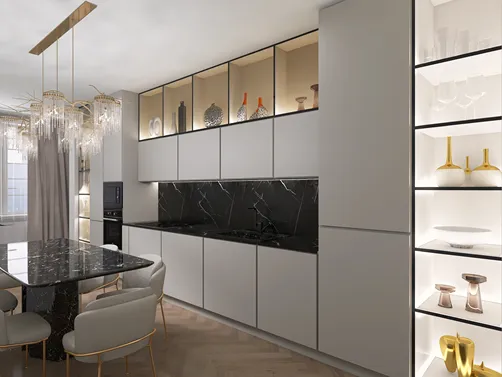
Design Concept: Prioritizing public spaces and reserving quiet for privacy; the kitchen and living area function as communal cores while a flexible room mitigates noise for both work and guests.
Pathway: Entry leads to a mudroom cache, transitioning through the kitchen hub, dining area, living space, and out onto the terrace; this layout ensures smooth movement without dead ends, creating easy-to-navigate paths.
Visual Dynamics: Diagonal lines of sight from the entryway to the backyard establish a hierarchy of information flow; the kitchen island serves as a focal point while preserving the comfort of seating areas.
Storage Solutions: The pantry functions as a cool storage area, while concealed wall units serve as hot storage; mudroom lockers help organize daily necessities intuitively.
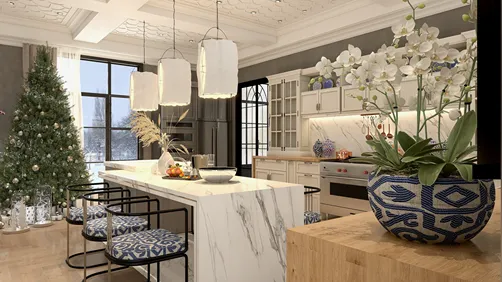
Furniture Arrangement: Accommodating 9–10 ft seating spans and 36–42 inch circulation paths, the kitchen island is designed for optimal use with 4–5 bar stools installed without delay.
Conclusion: This foundational layout captures social interactions effectively, preparing the space for hybrid hosting events and accommodating future micro-mobility needs.
save pin
Upper Level: Areas for Rest, Concentration, and Versatile Spaces
Design Concept: Bedrooms are arranged like nodes, with the primary suite strategically placed in a quieter corner; a small loft serves as a flexible area for study or VR fitness activities.
Pathway: Arrival at the stairs leads to the loft, then to the primary suite followed by secondary bedrooms and a shared bathroom; this layout minimizes traffic conflicts.
Visual Dynamics: The stair landing offers gentle reveals instead of glaring corridors; strategically stacked windows maximize morning light, promoting better sleep hygiene.
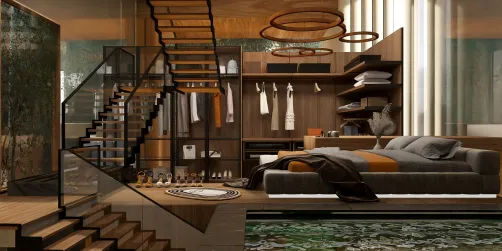
Storage Solutions: A walk-in closet serves as long-term storage, with hallway linen closets providing quick access; under-stair niches anticipate and accommodate seasonal overflow.
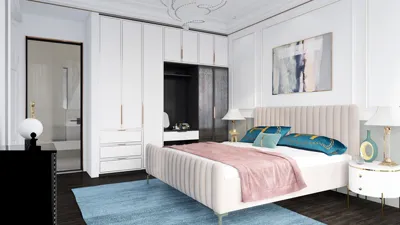
Furniture Arrangement: Bed placements (Queen/King) are centrally located with 24–30 inch clearances on either side; work desks are orientated to harness natural light, resembling user interface panels.
Conclusion: Looking ahead to a five-year span, the adaptable loft can transition between focus and wellness functions, maintaining a low cognitive load and necessary privacy.
save pin
Central Structure: Stairs, Light, and Micro-Utility Spaces
Design Concept: The stairs serve as an essential connector, facilitating light distribution and managing acoustics through partial enclosures.
Pathway: From the front entry to the stair core and then to the upper landing, there are micro-stops at window ledges and utility alcoves to enhance efficiency in movement.
Visual Dynamics: Controlled views allow glimpses into living areas, framed skylights open up to the sky; vertical light serves as indicators across levels, reflecting real-time status.
Storage Solutions: Hidden under-stair drawers and a landing cabinet effectively organize chargers, cleaning supplies, and small devices, promoting order and cleanliness.
Furniture Arrangement: The staircase has a width of 40–44 inches, with treads designed to match the natural rhythm of human movement; landing benches are developed to fit snugly for seating and shoe storage.
Conclusion: This vertical structure future-proofs the residence, transforming vertical movement into a tranquil interface that manages time, light, and possessions intelligently.
save pin
Final Insights
The design of a floor plan for a two-story building serves as a seamless interface, enabling daily activities to flow across levels effortlessly. Layouts should be intuitive, resilient, and generous with space, ranging from communal hubs to serene retreats. The most effective multi-level designs focus on precise flow, strategic storage, and a hierarchy of sight lines that adapt as habits evolve. Based on my experience, the homes of tomorrow will not necessarily be larger, but rather more deliberate and thoughtfully designed—like using Homestyler to visualize and plan these innovative spaces.
Discover the power of design with Homestyler! This user-friendly platform offers an online design tool paired with stunning 3D renderings, diverse design projects, and practical DIY video tutorials. Whether you're a beginner or a pro, you'll find inspiration to transform your home effortlessly.