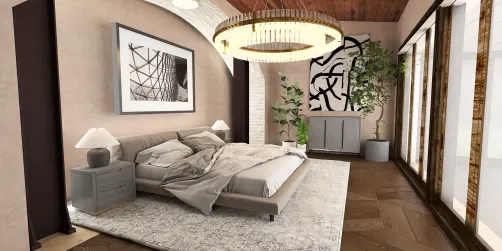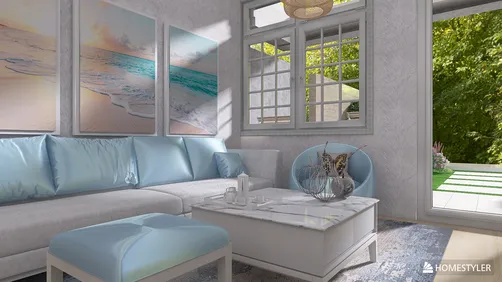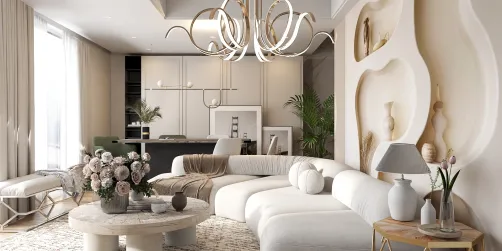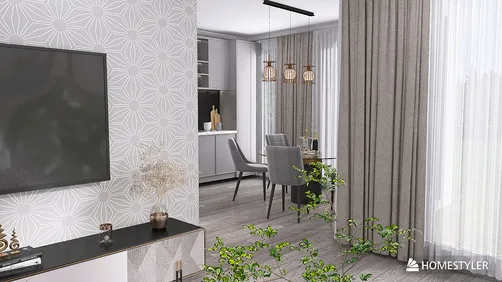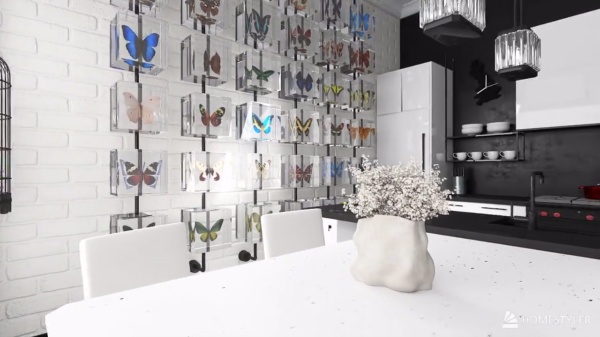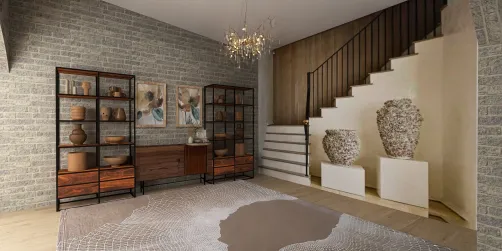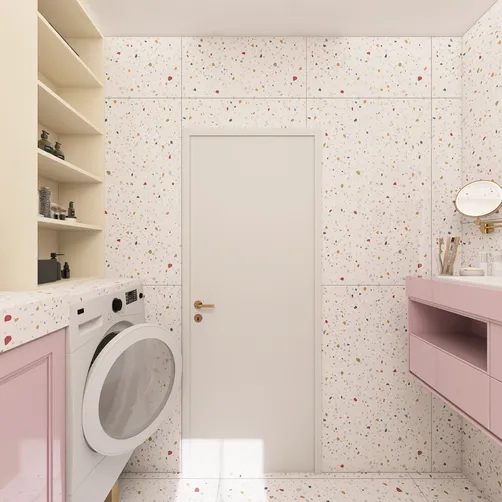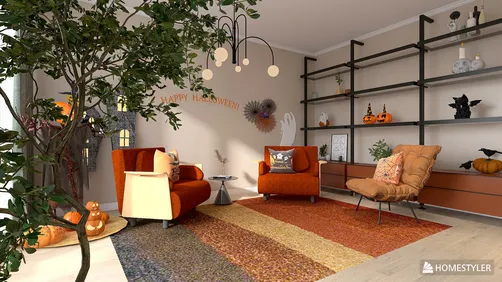
The evolving design landscape is integrating outdoor spaces into our everyday lives, yet my clients continue to face challenges such as glare, runoff issues, and awkward corners. Recent industry surveys, including data from Houzz, reveal a growing trend towards incorporating outdoor spaces that function like indoor rooms. I’m using a floor plan for a 500 sq feet porch as a model to demonstrate how the edges of these areas can transform into vibrant living environments. The future is upon us, and I can visualize the upcoming changes clearly.
spatial reasoning tools
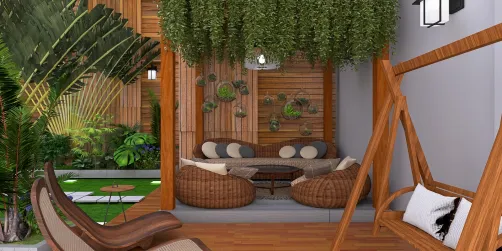
Perimeter Lounge + Central Spine
Design Concept: Establish perimeter seating while maintaining a central circulation spine; future design patterns must be adaptable, allowing transitions from solitary coffee breaks to intimate gatherings without overcrowding.
Flow: The entry point is situated at one corner, while the spine moves diagonally, with service nodes (such as power sources and lighting dimmers) extending like branches to the seating clusters.
Sightlines: By incorporating low-profile elements at the edges, views to the outside are preserved; the central spine acts as a visual guide, directing attention towards the garden and main entry as focal points.
Storage: Benches serve as storage units, measuring 12–16 inches in depth, allowing for ventilation for cushions and tools; a corner locker provides cold storage for equipment, reducing visual clutter.
Furniture Proficiency: Modular furniture in 24–30 inch segments aligns with the area’s design; ensuring a clear 36-inch spine accommodates both wheelchairs and strollers.
Conclusion: This ring-and-spine design not only adapts to social interactions but also future-proofs the porch, allowing it to transition from a quiet retreat to a lively gathering space over time.
save pin
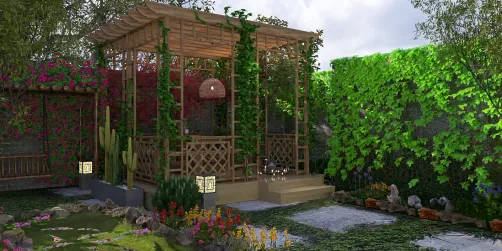
Split-Zone: Dry Deck + Wet Utility Edge
Design Concept: The 500 sq ft area is divided into a 60/40 ratio, with a dry lounge and a wet utility band; addressing climate adaptability through a drainage-first approach that incorporates hospitality.
Flow: The design includes an arrival pad leading to a drop-off zone, redirecting to the dry deck; maintenance areas are directed towards the wet edge with installed hose bibs and a sloping floor to facilitate cleanup.
Sightlines: The dry section promotes long, tranquil views, while the wet edge is concealed behind slatted screens, creating a secondary layer of visual information that softens the technical elements.
Storage: Weatherproof cabinets along the wet edge serve as essential storage spaces, with 18–24 inch depth accommodating cushions, outdoor dinnerware, and small appliances.
Furniture Proficiency: A dining table measuring 72×36 inches anchors the dry area; stacking chairs and stools maintain a 30-inch circulation space along all sides.
Conclusion: By efficiently separating tasks similar to microservices in software design, this layout preserves the clarity of the porch while managing future climate-related maintenance demands.
save pin
Hybrid Porch: Threshold Kitchenette + Reading Niche
Design Concept: A compact kitchenette along the house wall paired with a reading niche at the opposite end; future daily routines will blend meal preparation, work, and relaxation seamlessly within this multifunctional space.
Flow: The design features a welcoming entryway leading to the kitchenette, and a smooth transition to the reading niche; activities are distinctly separated, ensuring no cross-traffic between hot preparation areas and quieter tasks.
Sightlines: The height of the counter maintains privacy indoors while the reading niche allows for expansive views; foreground utility and background vistas create a layered experience akin to user interface principles.
Storage: Features such as toe-kick drawers and overhead storage keep utensils and linens organized; a tall cabinet in the niche stores books, chargers, and board games neatly, avoiding clutter.
Furniture Proficiency: The counter depth is set at 24 inches with a 30-inch seating area in the niche; adequate clearances ensure a safe and comfortable workspace.
Conclusion: This adaptable hybrid design supports seasonal changes, efficiently transitioning the porch from a social venue to a personal refuge, ensuring functionality for years to come.
save pin
## Final Insights
The design of a 500 sq feet porch transcends the notion of a simple deck—it evolves into a dynamic interface that facilitates daily routines through its thoughtful layout, storage, and sight lines. Configurations like perimeter lounges or split-zone arrangements effectively convert the porch into a versatile living system. From my perspective, the most ingenious outdoor rooms create a sense of spaciousness not merely through size, but through intentional design choices and strategic furniture placements; I consistently observe that subtle spatial decisions can dramatically reshape how individuals experience and enjoy their living spaces, especially with tools like Homestyler available for visualization.


Looking to transform your home? Homestyler has you covered! This user-friendly platform offers an intuitive online design tool, stunning 3D renderings, a variety of design projects, and helpful DIY video tutorials. Bring your interior design dreams to life effortlessly with Homestyler!