As we envision future lifestyles, contemporary residents must navigate the challenges of limited storage and disjointed flow. It is apparent that utilizing a spatial reasoning toolkit serves as an essential guide. According to AIA, the demand for adaptable, multi-functional spaces continues to rise. My clients, who are considering the phase 2 layout of the lake pleasant floor plan, grapple with balancing priority views against practical daily use. The evolving dynamics of home living are being shaped, and I interpret this in the architectural grids.
Waterline Spine Suite
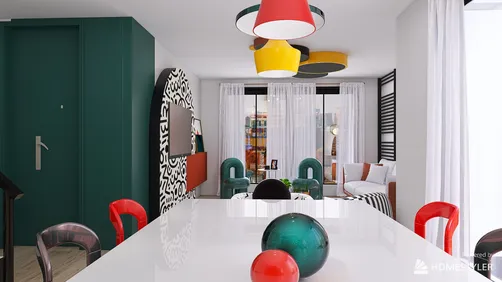
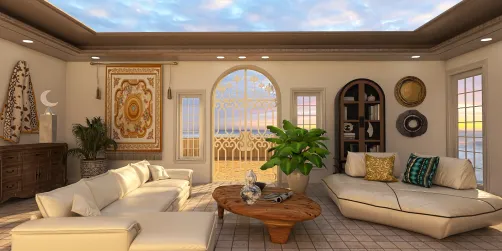
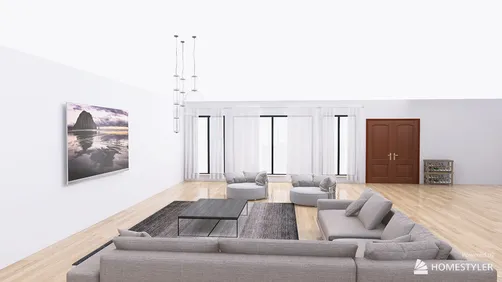
Design Logic: Position the living-dining area along the lake's edge to harmonize leisure and functionality with a cohesive horizon line.
Flow: Entry buffer → kitchen node → dining area → lounge space → terrace; a straightforward sequence that minimizes interruptions.
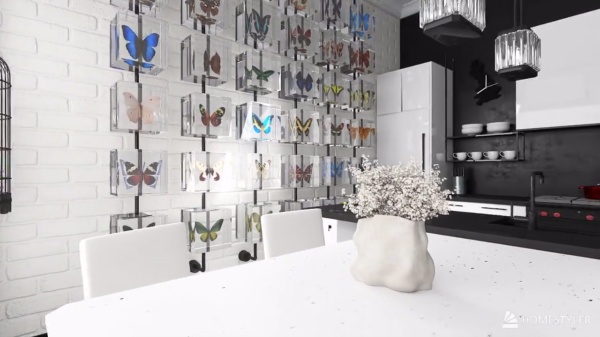
Sightlines: The main axis focuses on the water view; additional diagonal paths expose the kitchen and art displays, layered like UI panels.
Storage: Features like toe-kick drawers, terrace storage benches, and a tall pantry streamline access and organization.
Furniture Fit: Accommodating a 9–10 ft sofa API, 30" counter stools, and a 72" dining table—each piece is dialed to support gatherings and interactions.
Verdict: The spine functions as a reliable structure; over five years, it effectively facilitates social engagement without diminishing the views.
save pin
Adaptive Two-Bed Lake Pivot
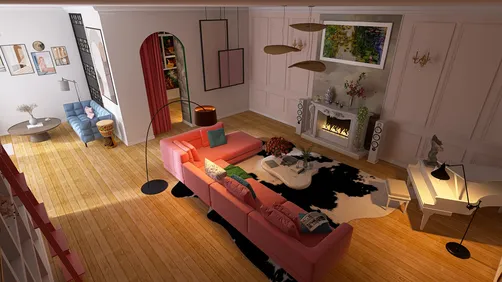
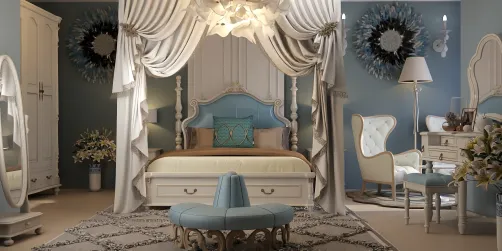
Design Logic: A pivoting partition allows the second bedroom to transform into a studio or guest suite, adapting as lifestyle needs evolve.
Flow: Private hallway → pivot space → bathroom core → main suite; this routing supports privacy similar to role-based access controls.
Sightlines: Angled views maintain the lake's prominence while concealing beds; the user interface focus remains on the horizon, avoiding clutter.
Storage: In-wall wardrobes, under-bed compartments, and bathroom towers create a hierarchy that minimizes searching time.
Furniture Fit: Designed for a queen bed, 24" nightstands, and a foldable desk; specifications respect both sleeping and working needs.
Verdict: This modular design anticipates the needs of diverse occupants; even after five years, it consistently adapts for hybrid-style living.
save pin
Courtyard–Garage Hybrid Loop
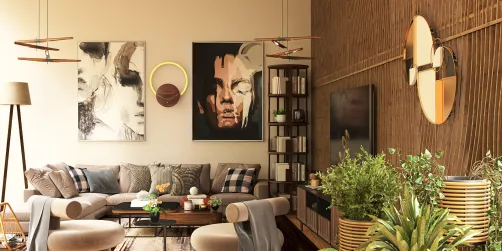
Design Logic: Connect the garage, mudroom, and micro-courtyard to ensure smooth transitions for outdoor supplies and groceries.
Flow: Garage access → mudroom cache → kitchen center → courtyard reset; this loop reduces task time.
Sightlines: Low window bands signal weather and daylight while concealing storage, creating a balanced user interface experience.
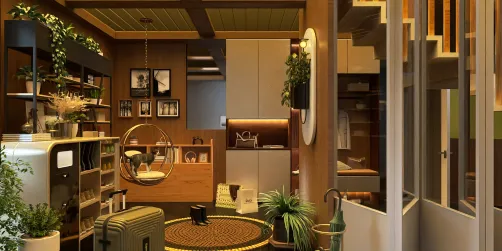
Storage: Vertical slat walls, ceiling-mounted racks, and organized bins function like an indexing system for memory.
Furniture Fit: A bench at an 18" seating height, various 16–20" deep cubbies, and a compact bistro set; these measurements align with quick-access routines.
Verdict: The loop structure maintains organization in daily activities; five years on, upkeep remains simple and stylish.
save pin
Final Takeaway
The phase 2 lake pleasant floor plan should act as a dynamic interface, prioritizing view while allowing simultaneous tasks. With intelligent zoning, extended sightlines, and first-access storage solutions, a lakeside residence formats into a dual-purpose two-bedroom or versatile unit. From my observations, the most innovative homes of tomorrow won't necessarily be larger—they will be more purpose-driven, a principle that is reflected across my projects utilizing tools like Homestyler.


If you're looking to transform your space effortlessly, try Homestyler! This online design platform offers a user-friendly design tool, stunning 3D renderings, inspiring design projects, and helpful video tutorials. Bring your vision to life with ease, no matter your experience level!



















![Design [4]](https://hs-designs.homestyler.com/production/design/images/07c2de3a-88ec-4be8-8910-ff255b795bc2/1731419398293/7841697.jpg?x-oss-process=image/resize,w_502,m_mfit/format,webp)