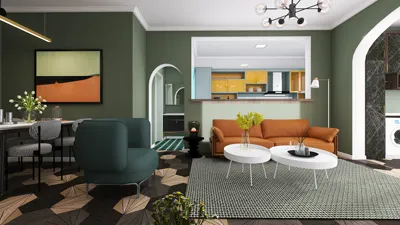


The design of bank interiors goes beyond mere aesthetics; it aims to foster an environment of trust, comfort, and efficiency. In the contemporary banking landscape, the interior layout significantly influences customer experience and operational effectiveness. This case study explores various components that contribute to optimal bank interior design, focusing on innovative strategies that can transform banking environments. One primary aim of bank interior design is to establish a welcoming space that encourages clientele to visit and utilize the offered services. The bank's layout is crucial in achieving this objective; open areas with unobstructed sightlines help remove barriers between customers and staff, promoting a feeling of transparency and trust. Additionally, the integration of natural light through expansive windows or skylights can enhance the overall atmosphere, making it more inviting. Another vital component of bank interior design involves the choice of materials and color schemes. Warm hues like beige, soft greens, and earthy tones can instill feelings of comfort and safety—qualities essential for any financial institution. Furthermore, utilizing premium materials such as wood, glass, and stone not only boosts the visual attraction but also projects stability and reliability. Furniture design plays a pivotal role in bank interiors as well. Comfortable seating areas furnished with modern pieces create a pleasant environment for clients waiting for services. Additionally, embedding technology into furniture designs, such as incorporating charging stations and interactive kiosks, can elevate customer engagement and expedite service processes. Security remains a significant focus in bank design; however, it need not detract from overall aesthetics. Creative design solutions, such as embedding security features within architectural designs, can ensure safety without giving off a fortress-like feel. For example, using appealing barriers or inventive security glass can safeguard both patrons and assets while preserving an inviting mood. Moreover, the infusion of digital technology is becoming increasingly crucial in bank interior design. Digital displays, interactive screens, and self-service kiosks can amplify customer engagement and deliver important information attractively. These innovations not only optimize operations but also allow financial institutions to effectively communicate their brand identity. To summarize, bank interior design must achieve a harmonious blend of functionality, security, and aesthetics. Prioritizing an inviting environment, quality materials, and technological integration, alongside ensuring safety, allows banks to enhance customer experience and foster loyalty. As the banking industry evolves, adopting progressive design strategies is essential for maintaining competitive advantage. Whether you are a financial institution aiming to refresh your space or an individual intrigued by the fusion of finance and design, grasping these principles can lead to more impactful and engaging banking experiences with the help of platforms like Homestyler.
Tips 1:
When designing bank interiors, keep your target audience in mind to ensure the space aligns with their needs and expectations.
FAQ
welcome to Homestyler
Дизайн сейчас бесплатно
































