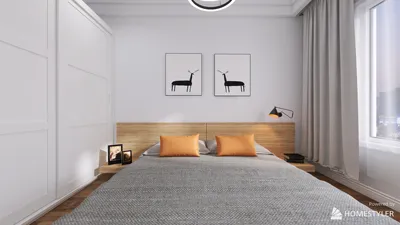
Transforming closets, attics, and even spare bedrooms into soundproof music rooms is possible and can inspire creativity. The key is to achieve a perfect balance between acoustics, ergonomics, and storage solutions without overwhelming the space. In homes with limited space, adopting a layered strategy—such as zoning, managing sound absorption and reflection, and utilizing versatile furniture—can make a small music area function like a professional studio using tools like Homestyler for layout design.
Even in compact spaces, performance remains a priority. The WELL v2 standard suggests maintaining background noise levels at ≤40 dBA in workspaces, which serves as a beneficial guideline for eliminating HVAC hum and outside disturbances in your home studio. I also maintain a lighting level between 300 and 500 lux for reading music sheets while ensuring a warm color temperature of 2700–3500 K to minimize glare and eye strain, in accordance with IES guidelines for task lighting. Both targets enhance the focus needed for productive practice and recording sessions.
In terms of practice habits, musicians dedicate about 60–70% of their time to repetitive exercises; thus, having essential tools within easy reach greatly enhances the flow of a session. Research from Steelcase indicates that varying postures can reduce fatigue and promote focus; therefore, incorporating a sit-stand stool and an adjustable stand into a small music room brings that essential variability to your routine.
Designing a Purposeful Room
Each instrument influences the layout of a room in unique ways. For instance, a classical guitar requires moderate dampening and warm lighting, while a drum kit needs superior insulation and sturdy surfaces. Vocalists thrive in acoustically balanced environments. I recommend creating three dedicated micro-zones: a performance area (for instruments, microphones, and stands), a listening/production zone (for desks, interfaces, and monitors), and a storage area (for cases and sheet music). To experiment with furniture arrangements and avoid surprises, utilizing a room design tool like Homestyler can help visualize space and manage clearances effectively.
Understanding Acoustic Principles for Compact Spaces
Small spaces often amplify low-frequency sounds and flutter echoes. To achieve a well-balanced sound, I mix materials: 30–40% soft absorptive additions (like thick rugs and upholstered furniture), 10–20% diffusive elements (such as slatted wood), and the remainder as reflective surfaces for clarity. Corner bass traps are effective in controlling resonances below 200 Hz, particularly positioned behind speakers and in corners. It’s also beneficial to install first-reflection panels at ear level on side walls and consider a ceiling cloud above the main performance area if you notice excessive brightness in sound.
Effective Isolation without Overengineering
Building an entirely separate room for soundproofing isn't common in most homes. Instead, focus on weak points such as installing solid-core doors with perimeter seals, weatherstripping windows, and using heavy drapes. To dampen footsteps, place a thick rug over padding, and employ rubber feet under amplifiers and drum mats to minimize vibrations. Filling bookcases with diverse materials can significantly add mass and disrupt sound reflections—a practical and cost-effective strategy for sound isolation.
Optimal Monitor and Listener Placement
For sound production, positioning monitors in an equilateral triangle from your ears, with tweeters at ear height and a slight toe-in, is crucial. In compact spaces, it helps to pull the desk away from the wall by 6–12 inches to lessen boundary bass amplification. Ideally, sit approximately 38% of the room’s length from the front wall to avoid troublesome room modes. If you're combining mixing and practicing in the same area, place the performance zone slightly behind the monitors to minimize comb filtering effects during playback.
Lighting Designed for Musical Activities
I implement two distinct types of lighting: ambient and task-specific. The ambient lighting, ranging from 300–500 lux, ensures a general illumination level, while task lights provide concentrated light at 500–750 lux on sheet music, free from glare. It’s important to maintain a color temperature between 2700–3500 K to ensure visual comfort; cooler bright lights may heighten anxiety and contribute to eye strain. Using dimmers allows you to shift the atmosphere from focused practice to a relaxed composing environment. Additionally, if recording video, a soft-fill LED panel adjusted to 3000–3500 K with a CRI of 90+ will ensure natural skin tones.
The Impact of Color on Mood and Performance
The colors in a room can influence both performance speed and stress levels. Shades of blue and muted greens usually enhance focus and calmness, while warm neutrals create an inviting atmosphere without making the room feel cramped. Accent colors should resonate with the energy of the music; for example, muted terracotta works well for singer-songwriters, while deep blue or charcoal are fitting choices for electronic music producers. High-saturation reds on large areas should be avoided, as they can increase arousal and lead to fatigue during extended sessions.
Innovative Storage Solutions
Utilizing vertical shelves saves valuable floor space. Instruments can be stored using wall hangers for guitars and violins, while a slim rolling cart is perfect for pedals and cables. Under-bench drawers can hide scores, and cabinets with acoustic fabric fronts can serve dual purposes as storage and sound absorbers when lined with mineral wool. For drums, nested cases can fit beneath a console table, which keeps gear accessible yet visually discreet. Labeling items is essential—losing time searching for cables can disrupt practice flow.
Furnishing with Ergonomics in Mind
Opt for compact and adjustable furniture—consider a height-adjustable stool (actual seat tilting improves spine alignment), a music stand with a counterbalanced arm, and a streamlined desk with cable management. Maintain wrist-friendly positions when using keyboards and controllers, with forearms parallel to the floor and key travel being comfortably within reach. If switching between instruments, use low-profile tape to mark floor positions so that stands and microphones return to your preferred settings efficiently.
Handling Loud Instruments Like Drums
For drum kits and brass instruments, it’s essential to incorporate more mass and damping. Use multiple rugs beneath the kit, place it on an appropriate mat, and opt for suitable absorption materials (dense panels rather than solely foam). Removable gobos—fabric-wrapped frames filled with mineral wool—can be set up around the kit to shape the sound during recording and later folded away for practice. Implementing diffusion at ear height helps to soften any harsh cymbal sounds in the room.
Managing Strings, Woodwinds, and Vocals
String instruments flourish in environments that provide soft midrange absorption and mild diffusion effects. Adding a reflective panel behind performers can enhance presence while keeping the sound smooth. Vocalists benefit from semicircular absorption arrays at head height and using a portable reflection filter behind the microphone. If harsh sibilance occurs, consider placing a thin diffusion panel opposite the vocalist to disperse high frequencies.
Setting Up Keyboards and Production Gear
For electronic setups, cable management is crucial. Color-coded Velcro ties and a pegboard with labeled hooks help keep things organized. Avoid placing power bricks on the floor to reduce dust and accidental disconnections. Installing a small patch bay within arm’s reach can streamline routing processes. For compact spaces, smaller monitors (around 5–6.5 inches) tend to maintain clarity and control over low-end frequencies; adjust sub positioning and incorporate room correction after physical treatments.
Incorporating Sustainable Flooring and Wall Materials
Layer soft materials in areas where sound reflections are problematic—utilize thick rugs, upholstered benches, and fabric wall panels. Opt for low-VOC finishes to enhance indoor air quality. Cork underlayment can improve comfort while providing some isolation, and using FSC-certified plywood for diffusion panels ensures responsible sourcing and a warm tonal output. Recycled polyester acoustic panels are durable and contribute positively to indoor air quality compared to conventional foam alternatives.
Crafting Compact Layouts for Unusual Room Shapes
In narrow configurations, position your desk against the short wall and align bass traps in the front corners to manage length-related sound waves. For square spaces, disrupt symmetry: position the desk off-center, include asymmetrical shelving, and stagger sound panels to prevent flutter echoes. In an L-shaped area, utilize the longer section for performance and the shorter leg for production; this approach aids in effective cable management and noise separation. If you are trying out tight configurations, a room layout planner can simplify the process of experimenting with instrument placements before making permanent changes.
My Design Blueprint for a 9x11 Room
I recommend positioning the desk centrally on the short wall, with the chair placed at 38% of the room's length from the front wall. Keep monitors about 6 inches away from the wall, ensuring tweeters align at ear height. Install broadband panels at first reflection points along with bass traps in all corners, with a ceiling cloud positioned above the desk. A rug with padding is ideal under the performance area, coupled with clamp-on task lights set at 3000 K, and incorporate a rolling cart for pedals and cables. Ensure a sealed door with an adhesive gasket and lined drapes on windows. This setup creates a compact, soundproof room that facilitates reliable tracking and easy transitions between practice and mixing.
For extensive insights on acoustic comfort and health standards, the WELL v2 guidelines provide noise and lighting recommendations for optimal human performance, and IES standards delineate visual task lighting ranges. Utilizing these criteria can effectively calibrate your lighting and background sound targets for better overall functionality in your music space.
Frequently Asked Questions
Q1: What is the optimal brightness for task lighting when reading sheet music?
A: Aim for brightness levels of 500–750 lux on the music pages, with ambient lighting around 300–500 lux and color temperatures ranging from 2700–3500 K to minimize glare and eye strain.
Q2: How can I effectively minimize boominess in a small music room?
A: Start by installing corner bass traps, followed by placing a quality rug with dense padding. Arranging broadband panels at first reflection points can lead to significant improvements.
Q3: What are some straightforward methods to manage cables while avoiding clutter?
A: Employ color-coded Velcro ties, utilize a rolling cart for smaller equipment, and consider a wall pegboard with labeled hooks for organization. Keep power bricks elevated off the floor and think about integrating a small patch bay for ease of access.
Q4: Is it sufficient to use only absorption materials, or should I incorporate diffusion as well?
A: A combination is most effective, particularly in smaller spaces. Use absorption to control unwanted reflections, and then add gentle diffusion methods—like bookshelves or slatted wood—to maintain a lively environment.
Q5: What layout is ideal for a square room used for music?
A: To reduce sound problems, you can break symmetry: offset the desk, stagger sound panels, and introduce asymmetrical storage options. Sit approximately 38% from the front wall to effectively mitigate modal issues.
Q6: How can I make loud instruments like drums more acceptable for neighbors?
A: Ensure proper sealing of the door, add lined drapes, use dense rugs, and incorporate rubber isolators beneath stands. During recording, utilize gobos and keep windows securely sealed with weatherstripping.
Q7: What ergonomic elements are essential for extended practice sessions?
A: A height-adjustable stool coupled with a stand featuring a counterbalanced boom is vital. Alternating between sitting and standing can also help reduce fatigue over prolonged periods, based on workplace research findings.
Q8: Which size monitors are appropriate for small rooms?
A: Monitors measuring between 5 and 6.5 inches generally offer a balance between clarity and control over low-frequency responses in confined spaces; however, ensure proper bass management and room treatment prior to using digital correction methods.
Q9: Are foam acoustic panels sufficient for vocal recording?
A: While foam is effective in taming high frequencies, vocals perform better with broadband absorption materials (like mineral wool) alongside a portable filter behind the microphone, supplemented by light diffusion positioned opposite the singer.
Q10: What materials combine acoustic efficiency with better indoor air quality?
A: Utilizing low-VOC paint, recycled polyester acoustic panels, cork underlayment, and FSC-certified wood diffusers can improve sound performance while enhancing indoor air conditions for a healthier space.

Homestyler is an amazing online home design platform perfect for anyone looking to elevate their space. Its user-friendly design tool allows you to create stunning layouts, while the extensive library of 3D renderings and helpful video tutorials make DIY projects a breeze. Unleash your creativity today!








![Design [4]](https://hs-designs.homestyler.com/production/design/images/07c2de3a-88ec-4be8-8910-ff255b795bc2/1731419398293/7841697.jpg?x-oss-process=image/resize,w_502,m_mfit/format,webp)