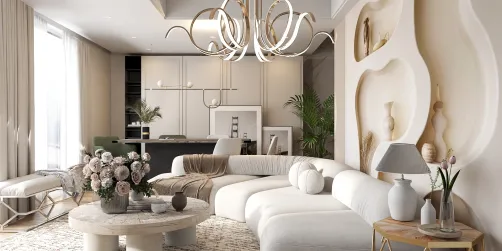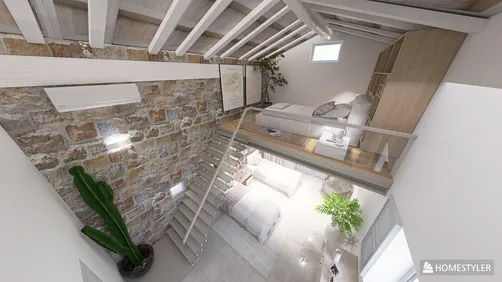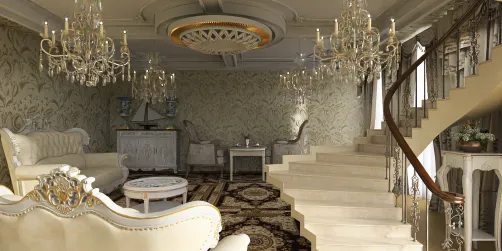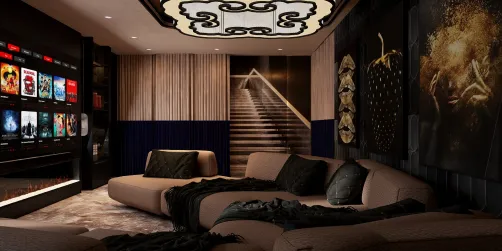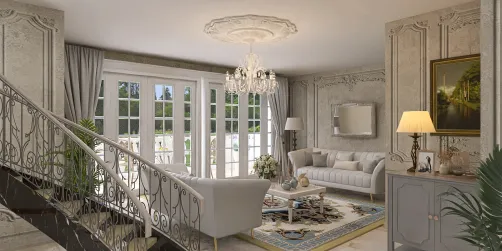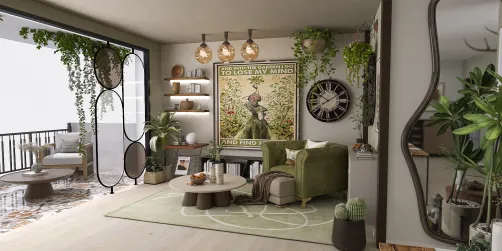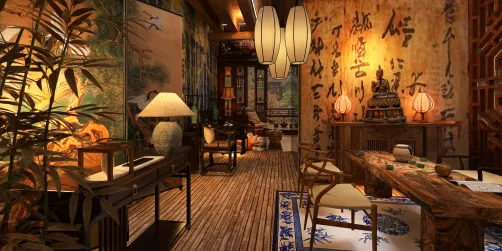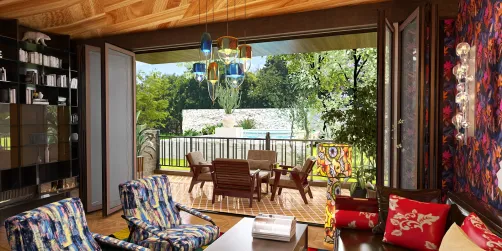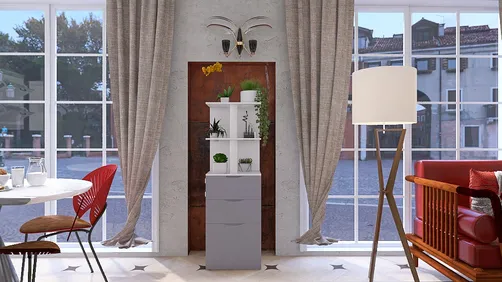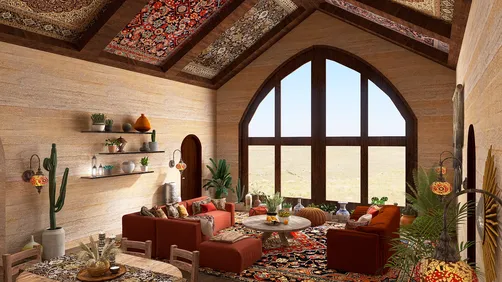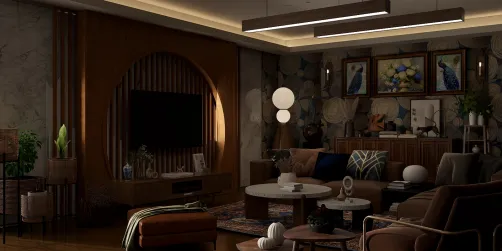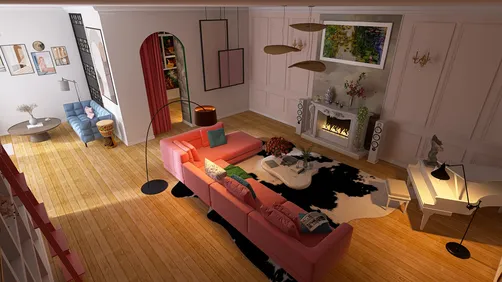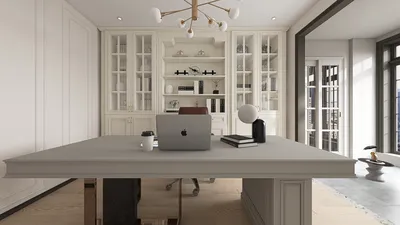
Transforming a living room often involves the perfect blend of texture, color, and scale, and decorative faux plants can provide a vibrant touch with minimal upkeep. Instead of replicating nature with exact precision, the idea is to achieve a harmonious visual rhythm that enhances your everyday life. By strategically considering heights, containers, and lighting, artificial greenery can effectively soften harsh lines, highlight key areas, and elevate the overall ambiance. Utilizing a tool like Homestyler can aid in visualizing these elements together seamlessly.
Numerous studies indicate that biophilic design elements, such as those incorporating nature-inspired aspects, contribute positively to well-being. Research from Steelcase suggests that environments featuring these elements tend to boost mood and comfort levels, while findings from Herman Miller link nature's presence to greater satisfaction in workplaces. The WELL v2 framework underscores the importance of nature analogs—shapes, materials, and patterns—as crucial components for promoting mental health. This perspective positions faux plants not merely as decorative accents, but as essential design elements that enrich overall experience.
Lighting plays a critical role even when it comes to faux plants. While they don't engage in photosynthesis, their interaction with light can greatly affect their realism. IES guidelines recommend balanced lighting and glare management to minimize eye strain. Aim for warm ambient light in the 2700K-3000K range to beautifully enhance green tones alongside wooden features, and consider placing 3500K-4000K task lighting in reading areas. It's advisable to maintain gentle light ratios—no more than a 3:1 contrast between prominent objects and surrounding surfaces—to prevent the shiny appearance of artificial materials. A matte finish on leaves combined with textured planters can achieve the best effect under soft, filtered light.
Scale, Proportion, and Visual Harmony
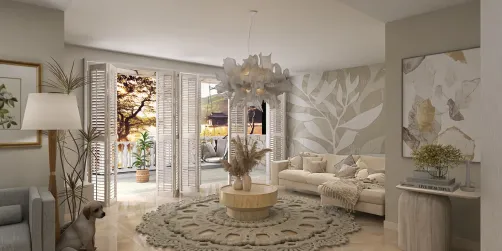
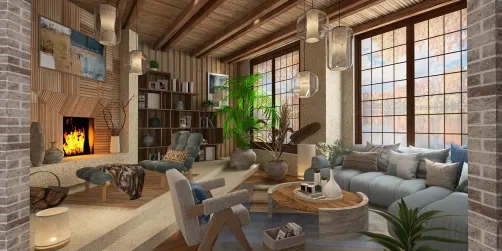
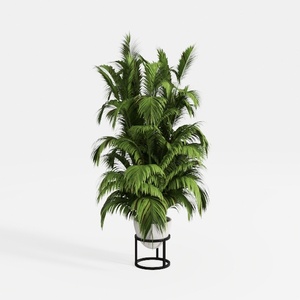
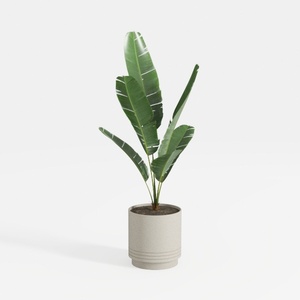
When selecting plants, I focus on creating a rhythm similar to composing a room: start with a tall focal piece, add a couple of medium accents, and finish with several smaller fillers. For a living room with an 8-9 ft ceiling, placing a 5-6 ft faux tree (like a fiddle leaf or olive tree) in a corner can effectively anchor the space or frame a media wall. Medium-sized plants (around 24-36 in) can adorn consoles or border a fireplace, while shorter planters (6-14 in) are perfect for coffee tables and shelves. Always ensure visibility remains unobstructed—avoid creating barriers in conversation areas around seating or the TV. If you're considering repositioning seating in conjunction with plant placement, using a designing tool like Homestyler can help you visualize scale, flow, and distribution before finalizing purchases.
Color Perception and Material Selection
The emotional response to the colors of greenery should not be overlooked. According to insights from Verywell Mind, shades of green evoke feelings of calm, balance, and renewal, making them ideal for living areas. Opt for cooler, deeper greens to complement modern palettes featuring charcoal and black, and use warmer olive shades alongside woods like oak or brass. To avoid the overly synthetic look which can arise under bright light, choose semi-matte finishes and leaves with varied shades. Additionally, incorporating materials such as baskets, stone planters, and limewashed ceramics creates a tactile experience, juxtaposing against sleek walls or furniture.
Placement Techniques Based on Living Room Design
• For compact spaces: Focus on verticality. A narrow faux olive tree can add height without occupying floor area. Arranging two smaller planters on a windowsill introduces dimension while avoiding overcrowding. Ensure clear pathways of 30-36 inches.
• In open-concept designs: Utilize subtle zoning. A long planter behind a sofa can demarcate a lounging area without rigid barriers, especially when paired with a stylish floor lamp.
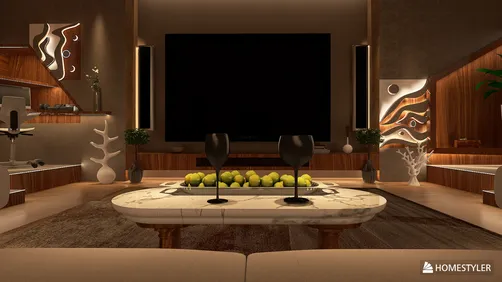
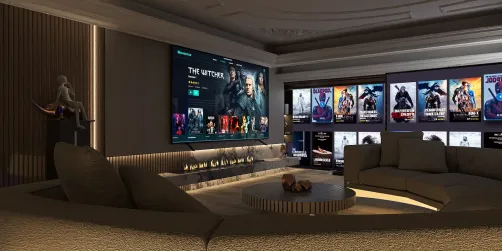
• For media-centric layouts: Position medium-height plants along the sides of the TV to soften sharp edges. Ensure they are placed 18-24 inches to the side to prevent reflections on the screen.
• In formal settings: Embrace symmetry by placing two identical planters near the fireplace or along built-in shelves. Introduce one unique textured pot to create a relaxed balance.
Lighting Considerations for Realism
To reduce any 'plastic' appearance, illuminate your plants from two angles. Utilize a diffused floor lamp alongside wall wash lighting to create a natural modeling effect on leaves. When using spotlights, ensure the beam angles remain shallow and consider adding baffles to minimize reflections. Maintain a warm ambient brightness of 2700K-3000K, and supplement about 300-500 lumens per group of plants for subtle yet effective lighting that avoids theatrical intensity. If glare poses an issue, adhere to IES recommendations for lighting control and balanced levels of brightness.
Texture, Layering, and Harmonious Rhythm
A room's intrigue seldom arises from color alone; the interplay of texture and rhythm also contributes significantly. Mix different leaf types (broad, slender, feathery) with planters of contrasting materials—such as woven seagrass or honed ceramic—to enrich the composition. Repeating a particular texture at least twice ensures the design feels cohesive. Arrange plant clusters in odd numbers (3, 5, or 7), allowing for open space to promote a comfortable flow through the room.
Ergonomics for Daily Living
Incorporating plants should enhance your day-to-day experience, rather than creating obstacles. Keep taller pieces away from recliners or swivel paths. Make sure accessible shelf heights are within 20-24 inches to simplify maintenance tasks. When children or pets frequent the space, opt for heavier, wider-base planters to lessen the risk of tipping and avoid using sharp-edged faux designs in high-traffic areas.
Acoustic and Visual Comfort
Integrating soft textures helps mitigate echoes in rooms characterized by hard surfaces and large windows. Although artificial plants won't absorb sound as effectively as heavy drapes, their textured forms and the porous nature of various planters help disperse sound reflections. Enhance acoustic comfort further with rugs, plush furniture, and decorative wall pieces to improve clarity in conversation zones. Additionally, maintaining a visually streamlined space is crucial—two strong plant focal points often outperform numerous smaller, randomly scattered options.
Sustainability and Care Considerations
I advocate for high-quality faux plants that come with replaceable parts (like leaves and stems), and encourage using planters crafted from recycled materials or ethically sourced ceramics. Regular maintenance should include dusting with a microfiber cloth every month, with compressed air for fine leaves. To prevent color fading, limit exposure to direct sunlight on lower-quality plastics by employing sheer curtains or UV-filtering film. Additionally, refreshing your arrangements by moving existing planters can bring a seasonal change without needing to purchase new items.
Styling Guide: Quick Tips
• Corner anchor: Combine a tall tree with a floor lamp and a side table to create a soft triangle effect.
• Console display: Use a medium-sized plant alongside a stack of books and a unique decorative item. Keep the heights varied for visual interest.
• Coffee table decor: Position a low planter at the center, balancing it with a tray and a candle. Ensure a 12-16 inch edge remains unobstructed for ease of access.
• Window ledge: Arrange two small planters off-center with a sheer curtain for softened natural light. Avoid symmetry for a more organic look.
Expert Insights
Design decisions can greatly benefit from research. According to WELL v2, the quality of light, acoustic comfort, and biophilic elements are vital for well-being; Herman Miller’s studies reinforce the relationship between nature-inspired designs and increased user satisfaction. Leveraging these insights can serve as a framework for creating a living room that is not only stylish but also rejuvenating.
Common Queries
Q1: What is the ideal height for an artificial plant in an 8-9 ft ceiling?
A1: Aiming for a height of 5-6 ft for a single anchor piece is ideal, with the top sitting 12-24 inches below the ceiling to maintain an airy feel.
Q2: What is the best color temperature for faux plants?
A2: Warm ambient lighting between 2700K-3000K pairs well with green tones. For reading areas, incorporate neutral white lights at 3500K-4000K without enhancing glossiness.
Q3: How many plants are recommended for a small living room?
A3: A combination of one tall plant, one medium accent, and two small fillers creates a well-proportioned setup, all while keeping clear pathways of 30-36 inches.
Q4: Which materials enhance the realistic appearance of artificial plants?
A4: Opt for semi-matte leaves with varied textures. Pair them with textured planters—woven materials, honed ceramics, or stone composites—to create a grounded aesthetic.
Q5: How can you mitigate glare that highlights plastic features?
A5: Utilize diffused lighting methods, steer clear of strong overhead lights, and maintain soft brightness ratios (around 3:1) between focal elements and their surroundings. Angling lights off-axis will also help minimize unwanted glare.
Q6: Can artificial plants contribute to better acoustic comfort?
A6: While indirectly, their textured shapes and the materials of many pots can help diffuse sound, especially when combined with other elements like rugs, curtains, and upholstered furniture for effective echo reduction.
Q7: What measures can be taken for styling in homes with kids or pets?
A7: Opt for heavier, wide-base planters; steer clear of sharp or easily detachable elements; and ensure tall designs don't interfere with movement paths. Place smaller planters out of reach, ideally above 30-34 inches on shelves.
Q8: How frequently should faux plants be cleaned?
A8: Monthly dusting with microfiber cloths is ideal; for deeper cleans, a quarterly thorough touch-up is recommended. Use compressed air for delicate leaves, avoiding products that might dull their finishes.
Q9: Where is it best to place plants in a media-focused arrangement?
A9: Position medium-height plants to the sides of a television at an 18-24 inches offset to minimize reflections. A tall plant can also effectively balance the layout when paired with lamps on the opposite side.
Q10: Are symmetrical layouts still in style?
A10: Absolutely, especially in more formal settings. However, it’s best to contrast symmetry with textured or asymmetric accessories to maintain a fresh, lived-in vibe.


Discover your home’s potential with Homestyler! This user-friendly platform offers a cutting-edge online design tool, stunning 3D renderings, and a wealth of DIY video tutorials. Whether you're a novice or an expert, Homestyler makes home design fun and accessible. Start creating your dream space today!