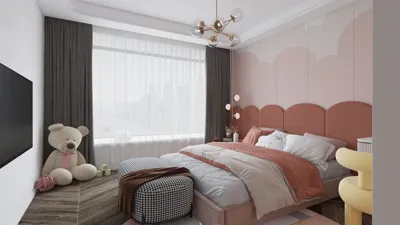


I still recall the instance when I decided to paint an entire apartment in a rich mauve because I adored the color — which led to my client refusing to use the dining area. It’s a true story. This experience highlighted how color can influence mood and why selecting top-rated interior paint brands is crucial, alongside the chosen hue. To avoid last-minute repainting stress, I often visualize colors in a 3D render of my home using tools like Homestyler before making a final decision.
1. Opt for eggshell finishes from premium brands to disguise those pesky fingerprints
Eggshell paints from esteemed brands such as Benjamin Moore and Sherwin-Williams exude a luxurious feel while being practical — ideal for hallways and living spaces where children or pets may touch the walls. The advantages include improved light reflection and ease of cleaning; however, they tend to reveal texture more, so preparation is key. Budget-friendly advice: invest in a high-quality tint base and skip several inexpensive topcoats — a single well-applied premium coat surpasses three poorly done ones.
save pin
2. Choose low-VOC paints for a healthier bedroom and nursery
I frequently recommend low-VOC options to clients dealing with allergies, and the improvement in indoor air quality is evident. Although these paints may come with a slightly higher price tag, they lessen off-gassing while providing excellent coverage. A small challenge: some low-VOC formulas might require a second coat for optimal coverage, so factor that into your timeline and budget.
save pin
3. Select washable satin for bustling kitchens
In kitchens, I lean towards washable satin finishes that can endure steam and spills; contemporary formulations from top-rated brands blend resilience with color accuracy. If you’re undecided about a shade, I often utilize AI interior design advice during initial planning stages to foresee how it will contrast with cabinets and countertops. Here’s a pro tip: apply a 12"x12" patch and live with it for a week prior to your final choice.
save pin
4. Employ a bold accent wall with ultra-flat matte in smaller rooms
Ultra-flat matte finishes offer an elegant appearance and conceal wall flaws — ideal for compact bedrooms or studies aiming for a cozy ambiance. The drawback is that flat finishes can be more challenging to clean, so reserve them for areas that won’t be heavily touched, or use them beneath a picture rail. I once created a charcoal matte accent wall behind a bed which transformed an entire 9m2 space into a cinematic experience.
save pin
5. Think about using washable eggshell in small kitchens and confined areas
In limited kitchen spaces, a mid-tone washable eggshell strikes a balance between light reflection and ease of maintenance, complementing both contemporary and traditional cabinetry. When modifying layouts, aligning your paint choices with small kitchen layout ideas can enhance perceived space — lighter shades create an illusion of openness, while warm mid-tones inject depth. Remember: color can appear different under kitchen task lighting, so be sure to test it during the evening as well.
save pin
FAQ
Q1: What are the top-rated interior paint brands for homeowners?
My recommendations usually include Benjamin Moore, Sherwin-Williams, Farrow & Ball, Behr, and Valspar, depending on your budget and desired finish. Each of these brands offers standout products known for their durability, low-VOC options, and rich color selections.
Q2: Is it worth investing in low-VOC paints?
Definitely — they minimize harmful off-gassing and enhance indoor air quality, which is essential for individuals with sensitivities and in newly built homes. While they may be slightly pricier, the long-term comfort they provide is invaluable.
Q3: How do I decide among eggshell, satin, and matte finishes?
Choose eggshell for living areas, satin for kitchens and bathrooms, and matte for low-traffic accent surfaces. Your choice should reflect the balance between aesthetics, cleanability, and tolerance for wall imperfections.
Q4: Do higher-priced paints offer better coverage?
Often they do — premium paints generally have a higher concentration of pigments, which translates into superior coverage and color fidelity, potentially saving on time and layers. However, proper application and adequate priming are equally important.
Q5: How can I effectively test paint without wasting money and effort?
Always sample a 12"x12" area and observe it at various times of day. Additionally, I create a digital mock-up to preview finishes using platforms like Homestyler before making any paint purchases.
Q6: Are there eco-friendly paint brands that perform well?
Absolutely — many leading brands now have eco-friendly lines that deliver solid performance. They might require an extra layer, but the reduction in VOC levels is well worth it for improved indoor air quality.
Q7: What is the fastest method to eliminate paint odors?
Ensure proper ventilation in the room, utilize activated charcoal or bowls of vinegar to absorb odors, and keep humidity levels moderate. If issues persist, a HEPA air purifier can be very effective.
Q8: Where can I find reliable information on VOCs and indoor air quality?
The U.S. Environmental Protection Agency offers clear and concise guidelines regarding volatile organic compounds and indoor air quality: EPA (https://www.epa.gov/indoor-air-quality-iaq/volatile-organic-compounds).
save pin
Looking to transform your space? Homestyler is your go-to online home design platform! With its user-friendly design tool, stunning 3D renderings, and a wealth of DIY video tutorials, you can effortlessly create and visualize your dream home. Start your design journey today!
Дизайн сейчас бесплатно
































