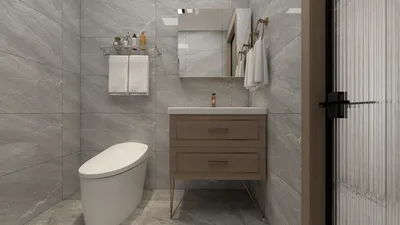


I vividly recall a client who was determined to transform her compact powder room into a lunar landscape. I attempted a crater-like plaster finish, which almost led to a renovation uproar. This entertaining mishap highlighted for me that even the smallest areas can ignite significant creativity, and utilizing the right finish can turn a nook into a moment bursting with personality. If you're curious about how texture influences layout decisions, take a look at this kitchen layout case study, where I used Homestyler for planning.
1. Sand or Grit Paint — a touch of ruggedness
I am a big fan of sand-textured paint for entryways and accent walls, as it conceals scuff marks and incorporates a tactile quality without being overly conspicuous. This option is budget-friendly and resilient for households with children or pets, although cleaning can be more challenging due to the deep textures compared to smoother finishes.
Tip: Use a roller for application and keep a sample patch handy, as texture levels can differ by manufacturer. It’s wise to test before undertaking a full wall project.
save pin
2. Venetian Plaster — an air of polished depth
Venetian plaster provides a luxurious, marble-like finish ideal for adding drama to a small living room. The layering and burnishing process grants incredible visual richness; however, the main downsides are the expense and the requirement of a skilled applicator.
When planning the placement of this refined wall in a small space, I often utilize Homestyler as a free floor plan creator to ensure that the texture complements the furniture layout.
save pin
3. Stucco or Skip Trowel — Mediterranean appeal
Stucco-style textured paint, applied with a skip trowel, conveys a handcrafted warmth—perfect for accent walls behind beds or sofas. It’s sturdy and helps cover imperfections, though repairs can be challenging due to the irregular patterns.
Budget tip: You can replicate this appearance with less expensive mixes and a practiced rolling or trowel technique, but anticipate some variability. I once embraced a slightly uneven finish, and the client adored its artisanal quality.
save pin
4. Metallic Texture Paint — a hint of sparkle
Metallic textured paints are ideal when a small area requires light play without overwhelming colors. The shimmer captures light, helping compact spaces feel layered and airy; however, the effect heavily relies on the lighting conditions and viewing angle, as it can appear flat in low light.
Practical tip: Use metallics in moderation—an accent panel, niche, or half-wall looks sophisticated without dominating the room.
save pin
5. Fabric-Effect or Suede Paint — a touch of soft luxury
Fabric-effect and suede-like paints bring a cozy, tactile feel—perfect for bedrooms or reading nooks in small homes. They reduce echoes and provide an intimate atmosphere; the trade-off is that these finishes may be delicate and require careful cleaning.
To showcase the final look to a client or visualize the texture's sheen, I often create a mockup or a 3D render using tools like Homestyler to see how light interacts with various textures.
save pin
FAQ
Q1: What is textured wall paint?
Textured wall paint consists of aggregates or is applied using techniques that form a raised surface, enhancing both visual and tactile depth compared to flat finishes. It encompasses a range of finishes from fine sand-like textures to heavier plasters and specialized metallic or suede options.
Q2: Which textured paint works best for small rooms?
Typically, I suggest subtle textures such as fine sand or low-sheen metallics; they inject interest without visually constraining the space. It’s best to avoid deep reliefs on every wall, keeping bold textures reserved for a singular feature wall.
Q3: Is maintaining textured paints difficult?
Maintenance can vary by texture: fine textures are usually straightforward to dust and touch up, while deeper or suede-like finishes often demand gentler cleaning and occasionally professional repairs. Consider the room's usage and foot traffic when selecting a finish.
Q4: Can textured paint be applied over existing paint?
In most cases, yes, but the surface needs to be clean, intact, and primed; at times, skim-coating is necessary for uniform adhesion. Always test a small area and adhere to the manufacturer's preparation instructions prior to full application.
Q5: How much extra does textured paint cost?
Prices can vary widely, from a slight premium for sand additives to significantly higher labor costs for Venetian plaster. Consider the application skill and preparatory work involved; there are budget-friendly textures available if one accepts simpler finishes.
Q6: Are textured paints eco-friendly or low-VOC?
Numerous manufacturers provide low-VOC textured paints, but it's essential to check labels for certifications. For reliable information on indoor air quality and VOCs, refer to the U.S. EPA: https://www.epa.gov/indoor-air-quality-iaq.
Q7: Is it possible to repaint over textured paint in the future?
Absolutely, you can repaint on textured surfaces, but the underlying texture will remain unless you skim-coat to smooth it out. If you anticipate frequent style changes, opting for a reversible method like removable wall panels might be best.
Q8: How do I select the right texture that aligns with my style?
Align your selected texture with the desired mood: rugged for rustic vibes, polished for contemporary luxury, and soft suede for cozy environments. I always recommend testing samples in the actual room and observing them throughout different times of day before making a final choice.
save pin
Homestyler is your go-to online home design platform! With its user-friendly design tool, stunning 3D renderings, and a wealth of DIY video tutorials, you can effortlessly create and visualize your dream spaces. Start transforming your home today with Homestyler!
Дизайн сейчас бесплатно
































