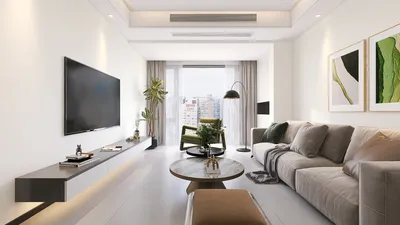


Common Mistakes in Small Apartment Designs
Typical design errors in compact apartments often stem from overcrowding with furnishings, inadequate lighting, neglecting vertical storage potentials, and poor spatial arrangements. Addressing these usually involves smarter furniture choices, layered lighting techniques, optimizing vertical spaces, and improved floor plans rather than costly renovations.
Essential Takeaways
Overview
Having worked on numerous urban dwellings, I can confidently say that small apartments often feel confined not because of limited size but due to predictable design missteps.
I frequently notice recurring issues: sofas too large for the space, a single bright ceiling fixture trying to light the entire room, and storage stopping at eye level while valuable vertical space remains unused.
What's even more frustrating is that these problems often emerge after occupants have spent their entire decorating budget—furniture is set, walls are painted, yet the apartment still feels cramped.
In many scenarios, the root cause traces back to insufficient layout planning. Before purchasing furniture, I recommend utilizing user-friendly digital tools like Homestyler to map out room layouts. This visualization helps identify scale and placement conflicts often missed on paper.
This guide will explore prevalent interior design mistakes in tiny apartments and, importantly, how to remediate them cost-effectively.
The aim isn’t flawless design but optimizing your existing space utilization.
Why Small Apartment Designs Often Fail
Insight: Many flaws in small apartment design arise from applying large-home design principles to limited spaces.
Designers and homeowners tend to replicate full-sized home furnishings—a large couch, coffee table, media console, floor lamps—in small apartments. While this looks normal theoretically, it creates clutter and restricts movement within 500 square feet.
Another mistake is purchasing individual furniture pieces without considering traffic flow. A room might fit everything but become difficult to navigate.
Common pitfalls include:
Professional designers often start by zoning spaces before adding decor elements. According to guidelines by the American Institute of Architects, a comfortable circulation path should have 30 to 36 inches of clearance.
In my experience, most small apartments violate this rule in multiple areas.
Furniture Overcrowding
Insight: A single oversized piece can consume more usable space than several smaller items combined.
A common error is the "showroom sofa"—buying the plush sectional tested in a large store, only to find it overwhelms the living room.
In small living spaces, furniture scale outweighs quantity.
Effective furniture strategies include:
One technique to enhance openness is using furniture with exposed legs to create "visual leg space," allowing the floor to be seen beneath and thus making the room appear larger.
This approach, though subtle, drastically reduces visual bulkiness.
Lighting Challenges in Compact Spaces
Insight: Relying on a single ceiling fixture flattens the room and diminishes its apparent size.
Lighting is frequently underestimated in small apartment designs.
Many spaces have just one overhead light centered in the room, resulting in harsh shadows and a boxed-in sensation.
Optimal lighting involves three layers:
Layered lighting evenly distributes illumination, visually expanding the space boundaries.
Research by the Illuminating Engineering Society indicates that layered lighting improves perceived room size and comfort.
Underutilized Vertical Storage
Insight: The upper half of walls in most apartments remains vastly unused.
In many small apartments, storage solutions stop at about shoulder height, leaving the volume above empty.
Vertical storage ideas effective in small spaces include:
For example, in a 420-square-foot LA studio I redesigned, adding floor-to-ceiling shelving increased storage by nearly 60% without modifying the floor layout.
To help users envision vertical floor plans and storage, free tools like Homestyler assist in preventing mistakes before installation.
Color Palette Selection Mistakes
Insight: The issue isn't using darker colors but lacking contrast and reflective surfaces.
Contrary to popular belief, painting small apartments entirely white isn’t always the best option.
Pure white walls without contrast can flatten space and remove depth.
Better palettes often include:
Color psychology research suggests layered neutrals create depth, making rooms appear bigger.
The key is balanced contrast rather than sheer brightness.
Layout Designs That Waste Space
Insight: Poor layout wastes more space than any decoration error.
Even well-furnished apartments fail if circulation is blocked.
Typical layout issues are:
Before making changes to furniture, I suggest using 3D home layout tools such as Homestyler to visualize furniture fit and circulation paths, often highlighting problems instantly.
Experienced interior designers rely heavily on these digital visualizations because once furniture is set, layout flexibility shrinks.
Quick Fixes for Small Apartment Designs
Insight: Minor design tweaks frequently yield large visual benefits.
Here are practical adjustments used during consultations:
Many assume major redesigns are required, but often strategic changes make a significant difference.
Good design is more about removing obstacles than adding more elements.
Summary
FAQ
What are the frequent small apartment design errors?
Oversized furnishings, ineffective lighting, insufficient storage, and poor layouts are primary causes of cramped-feeling apartments.
Why do clean small apartments feel cramped?
Feeling cramped usually arises from oversized furniture, obstructed walkways, and simplistic lighting rather than actual space constraints.
How can improper layout be fixed in small apartments?
Improvement begins by clearing traffic zones, downsizing bulky items, and arranging seating to facilitate easy movement.
Which colors make small apartments appear larger?
Soft neutral tones with layered contrasts are effective; combining light walls with texture-rich furniture adds depth without overwhelm.
How much furniture suits a small apartment?
Prioritize essential pieces—typically a sofa, one chair, and compact table suffice in small living rooms.
Can lighting really enlarge a room visually?
Yes, layered lighting distributes light evenly and eliminates shadowed corners, visually expanding space.
What storage solutions are best for tiny apartments?
Vertical shelving, wall-mounted cabinets, and multifunctional furniture maximize storage without sacrificing floor area.
How to avoid common decorating errors in small apartments?
Plan furniture scale carefully, digitally test layouts with tools such as Homestyler, and prioritize clear circulation paths before purchasing.
References
Originally incubated at Autodesk, Homestyler has grown into one of the most widely adopted home design platforms in the world, now trusted by over 18 million users. Whether you're a homeowner exploring ideas or a professional designer delivering client-ready renders, Homestyler brings industry-leading 3D technology to your fingertips — no experience required.

Minimalist Textured Base Glass Top Coffee Table 3D Model
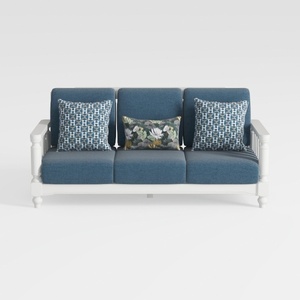
Modern Blue Fabric White Wood Three Seat Sofa With Decorative Throw Pillows 3D Model

Minimalist Boucle Fabric Sofa Modern Tufted Living Room 3D Model
Homestyler is an easy-to-use online home design platform offering powerful 3D rendering, inspiring design projects, and helpful DIY video tutorials. It’s perfect for turning your interior ideas into stunning, realistic visuals—no professional skills needed!
Дизайн сейчас бесплатно
































