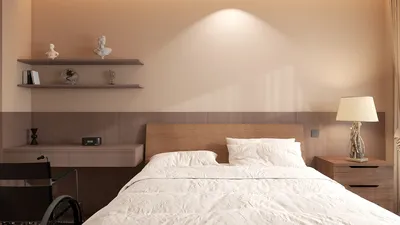


I had a client who once insisted on painting their tiny living room in a vibrant avocado green from floor to ceiling. This experience taught me more about achieving balance than any article on trends ever could. That little mishap transformed into a valuable lesson: small spaces can inspire big ideas, and the right mid-century modern interior paint colors can truly elevate a room's ambiance. By using tools like Homestyler to visualize design choices, you can easily experiment with color options.
In this article, I will share five color palettes that I frequently utilize in real projects, explaining why they work well, where common pitfalls lie, and providing budget-friendly tips. For visual inspiration, check out a recent room renovation I documented, showcasing a complete before-and-after transformation.
1. Teal Base with Mustard Accents
Teal walls combined with mustard details exude classic mid-century flair without veering into kitsch. I favor teal as a primary color since it looks luxurious in both north and south light, while mustard adds a vibrant vintage touch. If you're looking to explore these color combinations visually, platforms like Homestyler are perfect for this.
Benefit: bold yet timeless, and it conceals minor scuffs well. Drawback: excessive saturation can overwhelm a small space; therefore, use mustard primarily for textiles and artwork. Budget tip: apply teal to the largest wall and introduce mustard through thrifted cushions for accents.
2. Warm Grey with Walnut Trimmings
A warm grey backdrop provides a serene atmosphere, while walnut furniture and trims add the wood warmth characteristic of the era. This combination is ideal for clients who prefer a balance of restraint and personality. Utilizing Homestyler can help visualize how this palette works with different furniture pieces.
Recommendation: It’s versatile for adapting décor and easy to layer with other colors. A slight challenge: finding a grey that's neither overly cool nor too beige can be difficult; testing swatches throughout the day is advisable.
save pin
3. Olive Green and Terracotta Harmony
Olive green walls accented with terracotta are among my favorite mid-century combinations, especially for kitchens and living rooms. This pairing delivers an earthy and sophisticated vibe. I used it in a compact apartment, and it created a curated feel rather than making the space seem cramped. If you're recreating this look, consider planning with Homestyler for optimal layout.
Advantage: beautifully complements natural wood tones. Disadvantage: both colors tend to absorb light, so concentrate on using matte finishes for walls and glossy finishes for smaller accessories. For layout inspiration in tight kitchens, refer to this case study showcasing how we balanced deep hues with strategic lighting.
save pin
4. Soft Pastels with Charcoal Highlights
Delicate pastels—such as pale blush, mint, or powder blue—combined with charcoal trim present a subtle nod to mid-century aesthetics without overwhelming the senses. I often turn to this for clients desiring light, airy spaces while still referencing the period. For visual satisfaction, using something like Homestyler can help you assess how these shades interact.
Advantages: brightens smaller spaces and pairs beautifully with brass fixtures. Caution: pastels may appear dated if mismatched with the wrong wood; opt for the harmony of mid-century walnut or warm oak. Budget-friendly approach: start with painting and switch out hardware as financial resources allow.
save pin
5. Black, White, and Teak Contrast
A predominantly white room featuring black trim or a dramatic black accent wall with teak furnishings embodies the minimal mid-century vibe that complements modern modifications. I applied a variation of this in a studio renovation, and appreciated how the teak softened the strong contrast. Don’t forget to use design tools like Homestyler for a preview of this effect.
Benefits: timeless appeal, enhances architectural details, and simplifies decoration. Drawback: black trim can be dust-prone and demands higher quality finishes; hence, invest in quality paint for the trim. If you're curious about how contrast appears in three dimensions before finalizing, explore 3D visualization examples.
save pin
FAQ
Q1: What are the top mid-century modern interior paint colors suitable for small rooms?
I suggest muted teals, warm greys, olive greens, gentle pastels, or high-contrast white and black with teak accents—each of these choices embodies the spirit of mid-century design while honoring spatial dimensions.
Q2: Which paint finish is ideal for mid-century walls?
I prefer eggshell or low-sheen matte finishes for walls as they conceal imperfections well and maintain an appropriate period feel; reserve semi-gloss for trim and doors to highlight their architectural features.
Q3: How can I match wood tones with paint selections?
Pair warmer paints like mustard and terracotta with walnut or teak; cooler shades of teal and grey harmonize with lighter oak. Testing a swatch alongside your actual furniture is crucial before making a decision.
Q4: Are bold hues detrimental to resale?
Not necessarily—when used as an accent or on a feature wall, bold mid-century colors can entice buyers seeking character. For full resale neutrality, consider warm greys or soft pastels as safer options.
Q5: How many colors should I use in a small apartment?
I usually recommend using a primary wall color, a contrasting trim color, and one accent tone—keeping it to three total ensures cohesion without monotony. Incorporate textiles and artworks to introduce affordable variations.
Q6: Can I achieve a mid-century look with a limited budget?
Absolutely—paint the largest surface in the main color, replace inexpensive cushions and lamps for accents, and consider refinishing or sourcing secondhand teak items to maintain genuine warmth.
Q7: How do lighting conditions impact mid-century paint selections?
Natural light can significantly alter the perception of color; cooler northern light benefits from warmer palettes, while southern light can accommodate deeper teals and olives. Always evaluate swatches at various times throughout the day.
Q8: Where can I access reliable color guidance?
For authoritative color guidelines and trend analyses, explore resources such as Benjamin Moore's color guides and technical pages (Source: Benjamin Moore, https://www.benjaminmoore.com/en-us).
save pin
Discover your inner designer with Homestyler! This user-friendly online platform offers an intuitive design tool, stunning 3D renderings, and a wealth of design projects and DIY video tutorials. Easily transform your home design ideas into reality—no experience needed!
Дизайн сейчас бесплатно
































