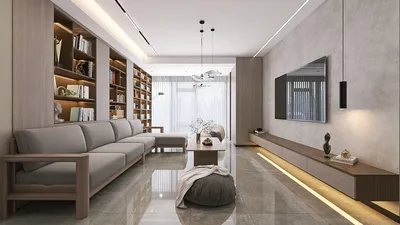


I once arrived at a client's residence carrying a paint sample that I was confident would be ideal — until I discovered that their LED bulbs transformed the sophisticated greige into a dull green. This taught me that lighting can play tricks. If you're contemplating a repainting project, it’s wise to begin by envisioning a new layout and testing paint swatches at various times of the day. Using a tool like Homestyler for visualizing your design can protect you from unexpected color changes and assist in strategically arranging furniture to enhance the overall hue.
1. Warm Greige — a secure, fashionable foundation
Greige, an inviting blend of gray and beige, is my preferred choice when clients seek a classic yet engaging look. It illuminates smaller spaces without appearing sterile, pairs beautifully with wooden elements, and serves as a neutral background for vibrant cushions. The downside: excessive greige may create a dreary atmosphere—incorporate a textured rug or deep accent pillow to offer visual variety.
save pin
2. Moody Blue-Green — adding drama without diminishing space
A deep blue-green accent wall or covering the entire room introduces richness and elegance. I once employed this in an apartment, making the TV wall less noticeable while creating a cozier seating area; the end result appeared luxurious on a modest budget. The challenge lies in ensuring warm lighting and lighter furniture to prevent a cave-like ambiance, but that contrast adds to its sophisticated flair.
save pin
3. Soft Sage or Dusty Mint — tranquility, modernity, and flexibility
Soft green shades like sage offer a refreshing feel and are unexpectedly adaptable alongside woven textures and brass accents. They connect a living area to the outdoors and soothe the eye, perfect if you're seeking calm without resorting to beige. If you're intending to coordinate paint with furniture, using a platform like Homestyler can help you simulate a quick floor plan to see how color interacts with the layout and light.
save pin
4. Two-Tone Walls — clever techniques for depth and proportion
Applying a darker shade to the lower third of a wall and a lighter hue to the upper two-thirds can create the illusion of higher ceilings while visually anchoring sofas. I recommended this approach to a client whose ceilings were low; the transformation resulted in a cozy yet well-proportioned space. It’s budget-friendly, but precision is key with the horizontal line — a misapplied stripe could appear unprofessional, so utilize painter’s tape and routinely step back to assess your work.
save pin
5. Terracotta or Warm Clay Accent — bringing earthy vibrancy and character
An accent wall of terracotta or a clay-colored feature wall infuses warmth and contemporary style into a room. I particularly favor this for spaces flooded with natural light—the color shifts perception from morning to evening sunlight. It's bold yet forgiving: rustic flooring and indoor plants complement it effortlessly. If you’re also reimagining your home’s heart, consider how this color pairs with your kitchen design layout across interconnected living areas.
save pin
FAQ
Q1: What are the ideal paint colors for a small living room?
A1: Light neutral tones (soft whites, warm greige, pale sage) can make small spaces appear larger. Opt for warmer hues in areas lacking natural light to prevent an overly sterile appearance.
Q2: What’s the best way to test paint colors before making a decision?
A2: Always purchase sample pots and apply 2-3 large swatches on various walls, observing them throughout the day—from morning and afternoon to your main evening lighting.
Q3: Is it acceptable to use bold colors in compact living spaces?
A3: Absolutely — employ them as an accent wall or for cabinetry to enhance character without overwhelming the space. Balance out the boldness with neutral furniture and reflective surfaces.
Q4: Which finish should I select for living room walls?
A4: Eggshell or low-sheen finishes are favored: they are easy to clean and provide a soft, elegant appearance. High-gloss is best reserved for trim or architectural accents.
Q5: How do various lighting types influence paint color?
A5: Natural light presents the truest color representation; warm LED lighting enhances yellow/red tones while cool lighting highlights blues. Always test swatches under your actual fixtures.
Q6: Is it permissible to utilize the same paint color throughout an open-plan area?
A6: Maintaining a cohesive palette promotes flow, though varying tones or finishes between zones helps define spaces without creating jarring separations.
Q7: Any trusted advice on the latest color trends in the industry?
A7: As per Sherwin-Williams’ color forecast (sherwin-williams.com), earthy warm tones and soothing greens continue to be significant trends for living spaces; their forecasts are a dependable resource for popular color palettes.
Q8: What budget should I allocate for repainting a living room?
A8: For DIY projects using mid-range paints, expect material and paint costs to total a few hundred dollars. Professional painting services can vary substantially by region — always obtain 2-3 quotes and include prep work like patching or priming in your budget.
Discover your dream space with Homestyler! This user-friendly online design platform offers powerful design tools, stunning 3D renderings, and a wealth of DIY video tutorials. Whether you're a beginner or a pro, create inspiring home projects effortlessly and watch your ideas come to life!
Дизайн сейчас бесплатно
































