

I've always held the belief that smaller spaces can ignite significant creativity, and the Japandi style perfectly embodies this notion. Having designed numerous compact living rooms, I've observed how the sleek lines of Japanese minimalism intertwine with the inviting textures of Scandinavian design, breathing life into even the tiniest areas. In this article, I will share my top ten ideas for crafting a Japandi-inspired living room, drawing from my personal projects and insights from experts in the field, while incorporating Homestyler into the design process.
1. Neutral Color Foundations
My Perspective: In my inaugural Japandi project, I established a foundation using warm beiges and soft greys, instantly instilling a sense of tranquility and timelessness in the space.
Benefits: Neutral tones are fundamental to a Japandi living room because they create a serene backdrop that enhances natural elements, as noted by Architectural Digest.
Drawbacks: If utilized excessively, the effect can become overly bland or sterile without additional texture.
Suggestion: Incorporate linen cushions and woven rugs to introduce warmth into the room.
2. Low-Profile Furniture Choices
My Perspective: I opted for a low oak media console instead of tall shelving, which created an instant sense of openness that aligns well with traditional Japanese architectural layouts.
Benefits: Low-profile furniture promotes a feeling of spaciousness in a compact Japandi living area, fostering a more grounded and relaxed lifestyle.
Drawbacks: This choice may limit storage options, making clever hidden storage solutions essential.
3. Natural Wood Accents
My Perspective: Using oak coffee tables and ash shelving adds warmth, providing a beautiful balance to the minimalist aesthetic of Japandi.
Benefits: Natural wood elements soften sharp lines and complement neutral-colored walls effectively.
Drawbacks: Wood requires regular maintenance to preserve its beauty.
A recent client was enamored with the wood accents that infused her small Japandi living room with warmth and charm.
4. Minimalist Lighting Fixtures
My Perspective: I frequently select paper lanterns or sleek LED sconces to bring in gentle, diffused light.
Benefits: This lighting style enhances the tranquil ambiance synonymous with Japandi design.
Drawbacks: Minimalist fixtures might not deliver sufficient task lighting unless supplemented with additional sources.
5. Textural Layering
My Perspective: I enjoy juxtaposing smooth ceramics with bulky wool throws to create contrast.
Benefits: This approach adds dimension and prevents the space from appearing flat or excessively minimalistic.
Drawbacks: An overabundance of textures can lead to visual chaos.
6. Open-Plan Flow
My Perspective: I have designed Japandi living rooms that seamlessly transition into dining areas, focusing on visual demarcation through rugs or varied lighting.
Benefits: This design fosters a stronger connection between areas, ideal for smaller apartments.
Drawbacks: It can sacrifice privacy and introduce potential noise concerns.
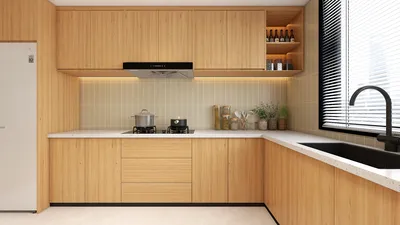
Check how one of my open layouts with an L-shaped configuration maximized surface area, connecting living and dining spaces effectively.
7. Incorporating Indoor Plants
My Perspective: A single fiddle-leaf fig or a bonsai tree can liven up a minimal Japandi living room beautifully.
Benefits: Plants serve as a natural focal point and enhance indoor air quality, as supported by a NASA study on air-purifying flora.
Drawbacks: Regular care is essential, making them less suitable for frequent travelers.
8. Sliding Doors or Screens
My Perspective: Shoji-style screens not only save space but also cast light softly into the room.
Benefits: They are practical for functional zoning without the need to erect walls.
Drawbacks: They offer less sound insulation compared to solid doors.
9. Functional Art Pieces
My Perspective: I often opt for ceramic vases or woven baskets that effectively blend decor and utility.
Benefits: They reduce clutter while infusing personality into the space.
Drawbacks: If not selected thoughtfully, these pieces may quickly appear mismatched or outdated.
10. Balanced Symmetry
My Perspective: Arranging sofas and chairs symmetrically promotes order and tranquility within a Japandi living room.
Benefits: This approach fosters natural visual equilibrium and enhances minimalist aesthetics.
Drawbacks: It can feel somewhat formal unless softened with textures and greenery.
One of my preferred designs showcased glass panels that contributed to an open feeling while maintaining symmetry and structure.
Conclusion
Creating a small Japandi living room isn’t about compromise but about making smarter, more intentional design choices. The blend of Japanese and Scandinavian principles allows us to forge spaces that are both serene and practical. Which of these insights would you consider implementing in your own living area?
FAQ
1. What characterizes a Japandi living room?
It is a blend of Japanese minimalism combined with the warmth and coziness typical of Scandinavian design.
2. Is using neutral colors essential for Japandi style?
Absolutely, they establish a calming foundation but can be layered with natural textures for added depth.
3. What type of furniture suits a Japandi space best?
Low-profile, functional pieces crafted from natural woods like oak or ash work exceptionally well.
4. How can I maximize functionality in a small Japandi living room?
Incorporate multifunctional furniture, clever hidden storage, and light-toned finishes to open up the area.
5. Is it possible to introduce bold colors into Japandi design?
Limited accents in deep green or charcoal can be effective, provided they are balanced with the overall palette.
6. Can Japandi style thrive in open-plan living environments?
Definitely, just delineate areas using rugs and lighting to maintain flow without sacrificing purpose.
7. How crucial is natural light in this design style?
Extremely important, as it enhances the airy, uncluttered atmosphere that defines Japandi design. According to Dezeen, the orientation of spaces and window treatments significantly affect this ambiance.
8. Where can I seek inspiration for Japandi layouts?
Explore professional portfolios or delve into design showcases featuring examples of well-balanced minimalist floor plans for fresh ideas.
Looking to transform your space? Homestyler is your go-to online home design platform! With its user-friendly design tool, stunning 3D renderings, and a wealth of DIY video tutorials, you can effortlessly create and visualize your dream home. Start designing today!
Дизайн сейчас бесплатно
































