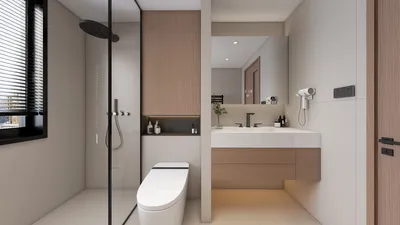


Throughout my years in interior design, I’ve come to appreciate that neutral furniture for living rooms never loses its charm. Recently, there has been a shift towards soft beige couches, light oak elements, and layered textiles that provide a tranquil yet welcoming atmosphere. Especially in compact spaces, a neutral color scheme can inspire remarkable creativity, where constraints challenge us to think outside the box. In this piece, I will unveil ten of my most cherished design inspirations, intertwining personal project anecdotes with professional insights.
1. Cozy Gatherings with Soft Beige Sectionals
My Experience: I once had the opportunity to design a 45 square meter apartment downtown, where a beige L-shaped sectional became the focal point of the living area. Its low profile enhanced the space's openness while accommodating ample seating.
Advantages: Beige furniture seamlessly integrates with various color palettes and enhances brightness, making smaller living areas feel more expansive. As noted by Architectural Digest, neutral upholstery can effortlessly impart a serene ambiance to any room.
Drawbacks: Beige can appear dull if not paired with adequate texture—aiming for a vibe that’s more inviting than that of a waiting room is essential.
Suggestion: Use throw pillows made of linen, wool, or gentle patterns to introduce depth. You can observe a similar aesthetic in the redesign of this minimalist living environment, perhaps aided by tools like Homestyler.
2. Slender Light Oak Coffee Tables
My Insight: I truly enjoy pairing light oak with organic materials. In one family residence, a narrow oak coffee table beautifully complemented their herringbone flooring and stabilized the seating arrangement.
Pros: Light oak boasts a classic appearance, harmonizing with both cool and warm hues while being durable and aging gracefully.
Cons: Be vigilant, as it can reveal water marks—coasters are a must-have.
Cost Consideration: Investing in quality oak tables can pay off in the long run, often lasting through generations.
3. Soft Curved Linen Armchairs
My Experience: Linen armchairs exude a sense of relaxed sophistication. In a recent model home, I incorporated two curved linen chairs to soften the rigid lines of the sofa.
Advantages: Curved designs foster a welcoming atmosphere, while the breathable nature of linen adds an organic feel that enhances comfort, particularly in warmer climates.
Limitations: Linen can crease easily—personally, I enjoy its casual charm, but some clients prefer a crisper look.
4. Warm White Low-profile TV Units
My Take: In compact apartments, a low media unit can serve as both storage and a visual space enhancer. I utilized one with slender legs to create a floating effect beneath it.
Pros: Reflects light, contributing to an impression of spaciousness. White also complements other neutral tones harmoniously without overshadowing them.
Drawbacks: Dust visibility is heightened, so frequent cleaning will be required.
5. Layered Rugs in Neutral Tones
My Insight: An early lesson for me was to layer a large jute rug with a smaller decorative wool rug, effectively adding immediate depth and defining areas in open layouts.
Advantages: Texture layering helps prevent a neutral space from feeling lifeless. The variety of fibers also adds practicality to the design.
Limitations: An increase in rugs equates to more maintenance, and layering can be challenging within small lay-outs if not properly planned (which I often test using a layout tool like Homestyler).
6. Cane-front Storage Units
My Experience: Natural cane infuses warmth and detail while maintaining a neutral color scheme. A client mentioned it evoked memories of childhood summer houses.
Pros: Cane is lightweight, airy, and introduces artisanal charm, perfectly complementing soft greys and taupe tones.
Cons: Requires gentle cleaning to preserve the integrity of the weave.
7. Versatile Modular Sofas
My Take: Modular designs are invaluable for tricky spaces. I integrated a modular sofa into a uniquely shaped loft, and it adapted beautifully to the angles of the room.
Advantages: Offers flexible arrangements for gatherings or lounging; longevity is assured as individual sections can be replaced.
Drawbacks: Gaps between modules may appear unless the fit is impeccable.
8. Elegant Stone-topped Side Tables
My Insight: Combining marble or travertine with softer furnishings creates a stunning contrast. In one seaside condo, stone tables grounded the airy linen drapes beautifully.
Advantages: Resistant to heat and eternally appealing, stone harmonizes wonderfully with sandy and ivory hues.
Cons: Heaviness makes it less than ideal for those who enjoy rearranging furniture often.
Cost Insight: Evaluate how veins in natural stone can interact with the room's patterns for better cohesion.
9. Upholstered Benches for Storage Solutions
My Experience: In studio apartments, upholstered benches serve dual purposes as seats and clever storage solutions. I chose taupe cushions for a subtle touch.
Advantages: They save space and are perfect for stashing blankets or board games, seamlessly blending into living areas without standing out as storage.
Limitations: These might not accommodate bulkier items due to limited interior height.
Tip: Match the fabric to your existing upholstery for a unified look, akin to the custom-seating projects I've tackled.
10. Slipcovers for a Seasonal Update
My Experience: I find slipcovers ideal for rental spaces — they allow for mood transformations without needing to buy new furniture.
Advantages: They protect original fabrics, provide flexibility, and can instantly refresh a room's appearance.
Drawbacks: Achieving a fitted look is crucial to avoid appearing sloppy.
Final Thoughts
To me, a small living room is not a constraint; it’s a chance to design with ingenuity. Neutral living room furniture provides a versatile backdrop that evolves alongside your tastes, as long as the right balance of tone, texture, and function is achieved. As noted by The Spruce, neutrals leave space to experiment with seasonal touches. So, which of these ten inspirations would you implement in your own home using tools like Homestyler?
Frequently Asked Questions
1. Why opt for neutral furniture in the living room?
It provides a classic aesthetic, pairs well with numerous color schemes, and makes smaller areas feel open and airy.
2. How can I prevent a neutral palette from appearing dull?
Combine textures, mix material types, and incorporate subtle patterns to keep visual interest alive.
3. What materials are best suited for neutral sofas?
Popular selections include linen, cotton, and performance fabrics in beige, cream, or light gray shades.
4. Do neutral tones contribute to enhanced resale value?
Indeed, as highlighted by Better Homes & Gardens, neutrals appeal to a broader audience of potential buyers.
5. How can I safeguard light upholstery?
Utilize slipcovers, stain-resistant coatings, and ensure regular vacuuming.
6. Is it permissible to mix various shades of neutrals?
Definitely — merging warm and cool neutrals often enriches the overall depth of the design.
7. Are neutral living spaces simpler to update?
Yes, switching accessories or artwork can shift the ambiance without the need to replace principal furniture pieces.
8. Where can I find great examples of thoughtfully designed neutral spaces?
Explore carefully curated showcases, such as this AI-driven home design platform, for remarkable inspiration.
Homestyler is your go-to online home design platform, perfect for all skill levels. With its user-friendly design tool, stunning 3D renderings, and a wealth of DIY video tutorials, you can effortlessly create and visualize your dream spaces. Transform your home design journey today!
Дизайн сейчас бесплатно
































