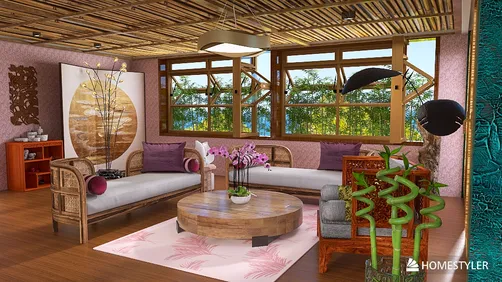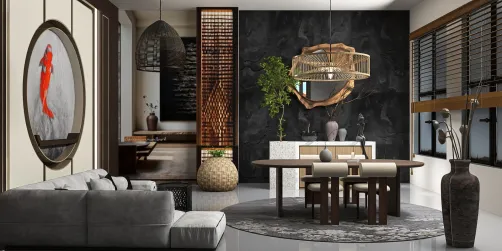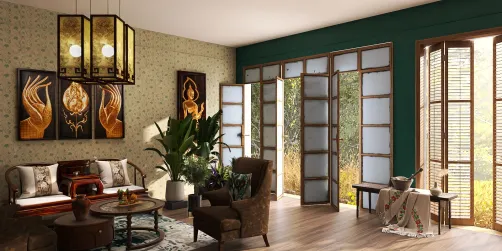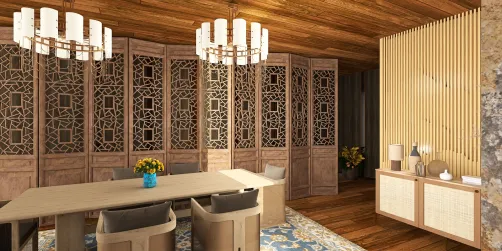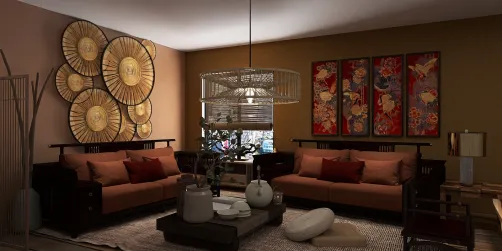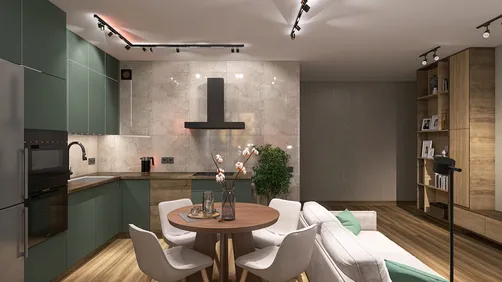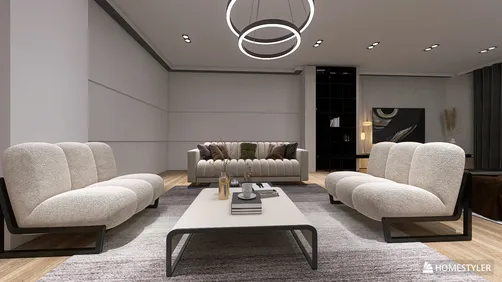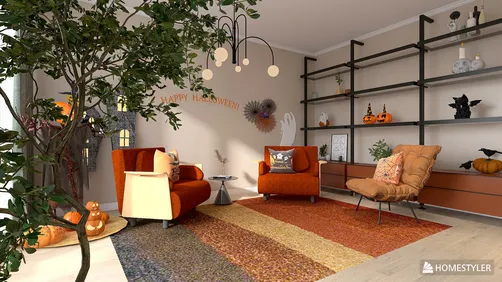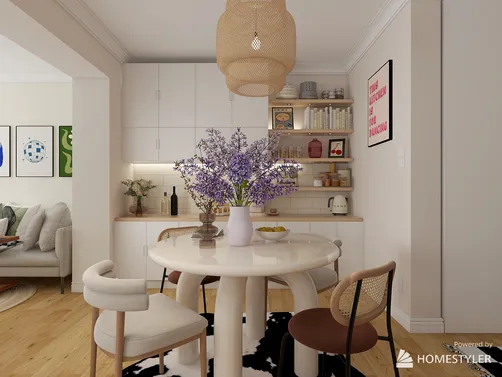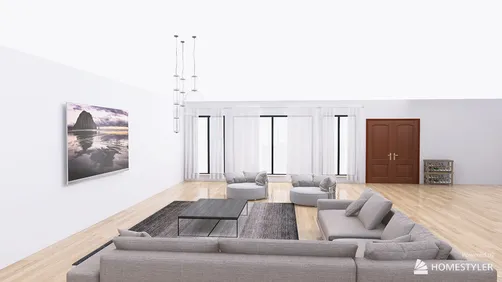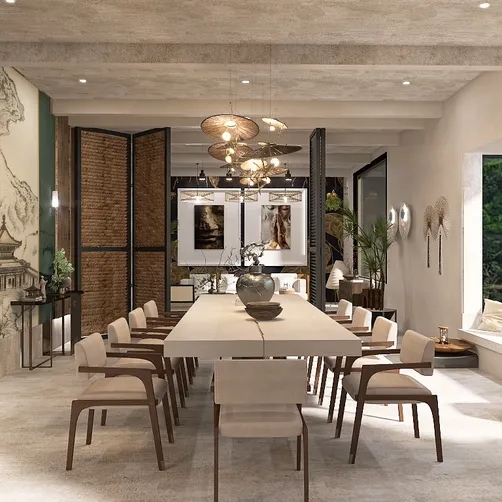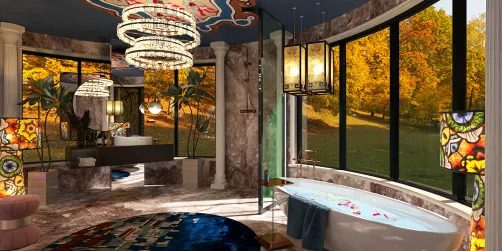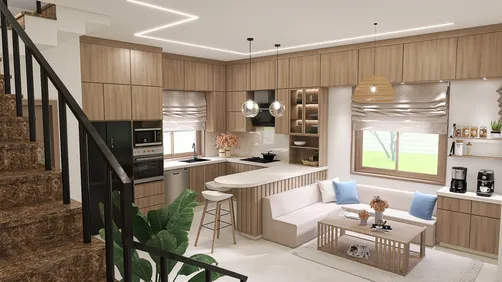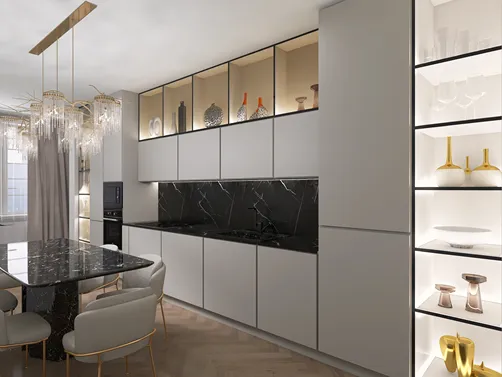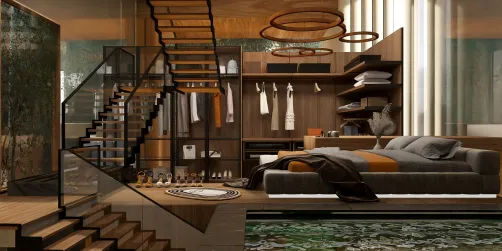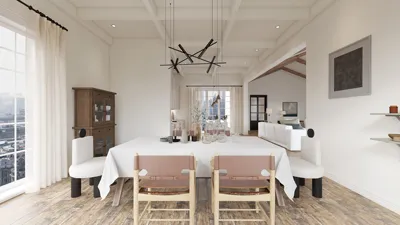
As we move forward, our homes are challenged by the need to address commuting fatigue, hybrid work styles, and overlapping caregiving responsibilities. According to a recent note from the NAHB, average sizes of new homes are decreasing in response to rising demands for multifunctionality, signaling a notable trend. I perceive three-bedroom cottage designs as an early manifestation of this evolution—compact in size yet versatile in purpose, with rooms that can adapt while retaining their essence. Here, my choice of spatial reasoning tools plays a crucial role, influencing how flow, sightlines, and storage operate seamlessly, much like software in the background. Notably, leveraging tools like Homestyler can help visualize these spatial arrangements effectively.
Garden Spine with Split Private Wing
Design Logic: The core concept involves a central garden spine that divides the cottage into a vibrant social zone and a tranquil rear, reflecting biophilic designs and the sustainability needed for remote work.
Flow: The layout progresses from the entryway to a mudroom, transitioning into an open kitchen-living area, before connecting to the green spine through sliding doors and leading to a corridor with three bedrooms; this sequence effectively buffers noise throughout the space.
Sightlines: From the entrance to the garden, the design creates a sense of depth, featuring cross-views into living areas while offering a subtle separation to bedrooms to reduce cognitive load.
Storage: With a perimeter pantry, window-seat drawers, and hallway linen cabinets, this design optimizes storage solutions, minimizing friction in daily routines.
Furniture Fit: The specifics include 24–27" counter depths, a 72" sofa together with two 32" chairs, and queen beds with 30" of clearance on each side—accurately tailored to the constraints of the cottage.
Verdict: Looking five years ahead, this architectural plan functions like a serene operating system: it features social hubs upfront, private spaces secured, and a green spine that regulates user energy effectively.
save pin
Courtyard Loop with Flex Studio
Design Logic: A micro-courtyard establishes a loop where seamless circulation enhances resilience; one bedroom can easily transition into a flex studio to accommodate work or multigenerational needs.
Flow: The flow follows a looped path starting from the foyer, leading through the living space, to the courtyard edge, the studio/bedroom 3, the bathroom, and the primary bedroom, integrating circular routines that eliminate congestion.
Sightlines: Layered frames towards the courtyard act like breadcrumb trails on a user interface, helping maintain orientation while shielding work areas from dining views.
Storage: This design includes tall utility walls, under-stair storage solutions, and flexible closet grids that adapt with changing project demands.
Furniture Fit: Features like a drop-leaf table (30"×60" when open), a modular desk with 24" depth, and a convertible twin-to-queen bed allow styles to adapt without a complete overhaul.
Verdict: The looped configuration anticipates the rhythms of hybrid living; the studio acts as a flexible zone that maintains focus during the day and welcomes guests at night.
save pin
Side-Car Primary with Hearth Axis
Design Logic: A hearth axis centralizes communal activity while a side-car primary suite provides enough separation to enhance sleep quality and care routines.
Flow: The sequence flows from the porch into the hearth-centric living area, to a galley kitchen, clustered kids’ rooms, and a short distance to the side-car primary, ensuring warmth is prioritized before rest.
Sightlines: The center of the hearth creates a clear visual hierarchy; angled views into the bedrooms maintain privacy while allowing caregivers to supervise effectively.
Storage: There are vertical storage solutions like shelves by the hearth, segmented wardrobes, and an attic hatch for long-term storage, offering quick access near heat and slower access near the roof.
Furniture Fit: With 36" clearances around a 7' hearth unit, 30" clear kitchen pathways, and bunks measuring 42" wide, design constraints translate into spacious, human-scaled environments.
Verdict: As living patterns evolve, the hearth continues to serve as the primary anchor; the side-car suite nurtures recovery without isolating inhabitants.
save pin
Final Takeaway
Three-bedroom cottage designs thrive by integrating circulation, storage, and sightlines into a cohesive interface rather than treating them as isolated elements. Variations such as compact family layouts, courtyard designs, and split-wing plans are more than just aesthetic options; they are forward-thinking solutions for multifunctional living. Addressing long-term needs—like multigenerational living arrangements and hybrid workspace zoning—can be effortlessly incorporated into rooms designed to adapt to multiple routines. In my view, the future's smartest homes won’t prioritize sheer size, but intentional design that aligns with shifting lifestyle demands, potentially visualized by tools like Homestyler.


Looking to transform your space? Homestyler is your go-to online home design platform! With its user-friendly design tool, stunning 3D renderings, diverse design projects, and helpful video tutorials, bringing your home vision to life has never been easier. Start designing today!