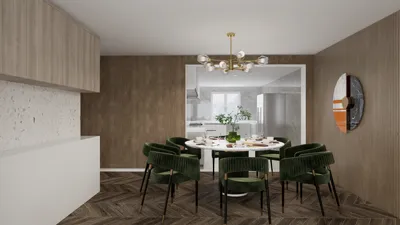


When selecting kitchen colors, I focus on achieving a harmonious blend of functionality, illumination, and emotional resonance. An updated kitchen thrives on color schemes that enhance visual clarity, promote well-being, and facilitate daily tasks, all while enriching cabinetry, surfaces, and appliances. Color transcends mere aesthetics; it plays a crucial role in task visibility, mood regulation, and the perception of cleanliness.
Research emphasizes the importance of color and contrast in workspace areas. The WELL Building Standard underscores the significance of lighting quality and glare management in optimizing performance and comfort, guided by WELL v2 visual lighting standards that enhance task visibility. By combining appropriate color schemes with ambient lighting of 3000–4000K and ensuring task illuminance of around 300–500 lux (as suggested by common IES recommendations), surfaces remain readable while preventing harshness. Additionally, studies in color psychology suggest that blue-greens foster calmness and focus, whereas warm shades like muted terracotta create inviting atmospheres without overwhelming the senses.
In my recent design endeavors, I’ve found that effective color palettes consistently feature a neutral base paired with an accent color and a tone derived from natural materials, like wood or stone. To effectively plan your kitchen layout with color zoning—differentiating areas for preparation, cooking, and socializing—using a room layout visualization tool like Homestyler can help visualize transitions and sight lines prior to making final decisions on paint or millwork.
Soft Neutrals with Warm Wood
Combine a matte warm white (avoiding stark contrasts) with honey or light walnut elements. The neutral walls promote consistent light reflection, aiding visibility under ambient lighting below 3500K, while the wood adds warmth and a tactile quality. Use brushed nickel or soft black hardware to provide grounding to the scheme. A backsplash crafted from creamy, limestone-look porcelain minimizes visual chaos and is easy to clean. This combination is perfect for open-plan homes where the kitchen merges seamlessly with living areas, ensuring coherence across different spaces.
Greige + Charcoal Contrast
Using greige cabinetry (with a high Lightness value and subtle warm undertone) along with charcoal bases for islands and light quartz countertops yields a refined contrast that avoids overwhelming the senses. The blend of mid-tone walls, dark bases, and light counters helps create definitions that make utensils stand out effectively. Keeping upper cabinetry lighter helps avoid a cramped appearance. Implementing under-cabinet lighting with 270-400 lumens/ft LED strips at 3000-3500K will provide the necessary task lighting without imparting a bluish hue.
Muted Sage + Natural Stone
Muted sage or eucalyptus greens bring a refreshing and grounding vibe that pairs splendidly with light marble-look quartz or soapstone. Green tones appear vibrant under natural daylight and 3500K lighting, enhancing a sense of cleanliness and calmness. For north-facing spaces (which receive cooler light), opt for warmer green tones (like olive-sage) to balance the ambiance. Complement this palette with woven textures or aged brass to add warmth, making it particularly flattering for stainless steel appliances.
Ink Blue + Warm Gray
Incorporate deep ink blue cabinetry against warm gray walls and off-white counters to achieve a sophisticated modern design. As blue tones absorb light, it’s essential to keep upper surfaces lighter and increase task lighting near essential areas like the cooktop and sink. A matte finish in blue helps minimize glare, while satin hardware finishes resist fingerprints. To introduce rhythmic patterns without being overly busy, consider adding a fluted or vertical tile backsplash in soft gray.
Terracotta Accents + Soft Ivory
Using terracotta in smaller elements—like banquette cushions, open shelf backing, or a single accent wall—works harmoniously with soft ivory and light oak. This warm hue encourages a welcoming atmosphere in social areas, while ivory aids in reflecting ambient light. Opt for matte finishes for terracotta, as glossy variants can become overly vibrant under warm light. This look can be completed with light oak flooring paired with black fixtures for sharp visual contrasts.
Monochrome with Texture: Black, White, and Timber
A minimalistic black-and-white aesthetic is elevated by the addition of timber accents. Consider white cabinetry along the perimeter paired with a black island and natural oak shelving. The timber softens the contrast and enhances acoustic comfort by adding sound-absorbing surfaces. Choosing a micro-textured matte black helps mitigate glare from bright fixtures. Incorporating a chevron or vertical grain pattern introduces subtle movement, preventing the area from feeling stagnant.
Dusty Rose + Sand Beige
For a modern yet soft aesthetic, opt for dusty rose on walls or pantry doors mixed with sand-beige counters and light oak flooring. This combination conveys sophistication without being overly sweet. Use soft brushed bronze hardware to complement the palette. Under neutral lighting (around 3500K), this palette retains a warm and clean atmosphere, and introducing white ceilings ensures vertical brightness, enhancing the perception of height.
Cool Gray + Bright White with Metal Accents
This classic pairing thrives on precision and sophistication. Featuring cool gray lower cabinets contrasted with bright white walls, along with stainless or chrome accents, creates an architectural feel. To mitigate the clinical vibe, integrate warm wood seating or a colored pendant light. Opt for high CRI (90+) light sources to maintain accurate food colors. If the kitchen lacks natural light, consider adjusting the gray towards a warmer taupe to prevent a flat appearance.
Soft Taupe + Carrara-Inspired Quartz
Utilize taupe cabinets paired with soft-white veined quartz and satin nickel fittings to establish an upscale hotel-like atmosphere. The warm tones in taupe harmonize beautifully with cool stainless appliances and adapt well to seasonal decor changes. Opt for satin finishes on countertops to reduce reflectivity while balancing the luminance between work surfaces and adjacent vertical lines.
Charcoal + Brass + Walnut
The fusion of charcoal cabinets with brass fixtures and walnut shelving orchestrates a sophisticated palette for contemporary homes, echoing mid-century influences. To maintain visual equilibrium, ensure not every vertical surface is dark—consider adding a pale wall or light-colored backsplash. Brass accents offer warmth; however, use brushed finishes to minimize glare beneath pendant lights. Walnut can take on an accent role to provide visual rhythm.
High-Contrast Minimal: White + Graphite + Concrete
For an industrial chic appeal, a combination of crisp white walls, graphite cabinetry, and concrete-look porcelain flooring harmonizes beautifully. A white solid-surface counter maintains brightness throughout. Add a singular, saturated accent, such as forest green bar stools or a cobalt kettle, to infuse vibrancy into the design without creating clutter. Incorporating acoustic rugs or runners can help diminish noise from foot traffic and soften the stark surfaces.
Color Zoning for Function
Color can effectively guide behaviors within the kitchen: light neutrals in preparation zones enhance visibility, while deeper shades around the island can anchor social interactions. When experimenting with the transition of hues across different areas—such as cooler tones near appliances versus warmer shades around dining spaces—utilizing a layout simulation tool can validate these relationships before finalizing your selections in Homestyler.
Lighting, Color Temperature, and Finish Sheen
The performance of color is intimately tied to lighting conditions. Kitchens perform optimally with ambient lighting around 3000–3500K and higher lux levels for task areas. High CRI (90+) ensures food color accuracy. For walls, opt for matte or eggshell paints to manage glare, while semi-gloss finishes should be reserved for surfaces that require easy cleaning (like backsplashes). Striking a balance between pendant lighting and under-cabinet task lights is essential to avoid shadows on work surfaces.
Material Pairings and Sustainability
Color selections should align seamlessly with the performance of materials. Light-hued quartz countertops are stain-resistant and maintain a clean appearance; porcelain tiles reproduce the look of stone with minimal maintenance, while FSC-certified wood introduces warmth into the interior design. For those opting for darker cabinetry, fingerprint-resistant laminates are excellent choices. Selecting sustainable, low-VOC paints can help maintain indoor air quality, especially in small kitchens with higher ventilation demands.
Pro Tips for Choosing Your Palette
Begin with one neutral base, one accent color, and a natural material; test large paint swatches in your kitchen’s various lighting conditions throughout the day. Ensure that undertones match: warm whites pair well with warm woods, while cool grays complement stainless steel. High-touch areas should favor forgiving finishes, and verifying the vertical-to-horizontal light balance will prevent eye strain during extended cooking activities.
FAQ
Q1: What color temperatures work best for kitchen lighting?
A1: Aim for ambient lighting in the range of 3000–3500K, with 300–500 lux illumination on countertops. A high CRI (90+) will keep food colors precise and help reduce eye fatigue.
Q2: How can I make a small kitchen feel larger using color?
A2: Utilize light neutral shades on walls and upper cabinetry, add contrast at the island or lower cabinets, and ensure bright white ceilings to enhance the perception of height.
Q3: Which finishes work best to minimize glare?
A3: Matte or eggshell finishes on walls and satin on cabinetry can reduce reflections. Avoid using high-gloss finishes near strong light sources such as pendant fixtures or sunlit windows.
Q4: Can dark cabinetry function in low-light spaces?
A4: Yes, achieve balance with light walls, high-CRI task lighting, and reflective countertops. Consider lighter upper cabinets or swapping them out for open shelving to ensure an airy atmosphere.
Q5: What accent colors go well with stainless appliances?
A5: Complementary colors for stainless steel include sage, ink blue, charcoal, and warm taupe. Incorporating brass or wood accents can add warmth and prevent a sterile ambiance.
Q6: How should I coordinate flooring with my color palette?
A6: Soften high-contrast designs with warm wood flooring. For warmer palettes, consider light oak or light porcelain to enhance brightness. For monochrome modern kitchens, concrete-look tile is an excellent choice.
Q7: Are pink tones suitable in contemporary kitchens?
A7: Dusty rose shades can be stylish when paired with sand beige, white ceilings, and brushed bronze details, provided the finish remains matte and is used minimally for a sophisticated look.
Q8: What’s the best approach to test colors?
A8: Create large sample boards of paint colors, observe them during your kitchen's lighting from morning to evening, and assess alongside countertop and backsplash materials to ensure compatibility.
Q9: How can I integrate color zoning with layout?
A9: Lighter tones in precision zones and deeper shades around social hubs like islands can be effective. Use tools like Homestyler for layout visualization to confirm sight lines and transitions prior to making a commitment.
Q10: Which materials support sustainable color choices?
A10: Opt for low-VOC paints, FSC-certified timber products, and durable quartz or porcelain materials to align your color choices with sustainability principles and indoor air quality.


Homestyler is your go-to online design platform that makes home renovation a breeze. With its user-friendly online design tool, stunning 3D renderings, and a wealth of inspiring design projects and video tutorials, you can effortlessly transform your living space into a stunning reflection of your style.
Дизайн сейчас бесплатно
































