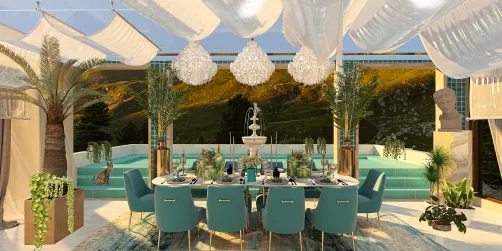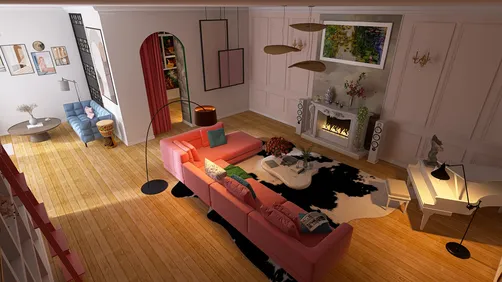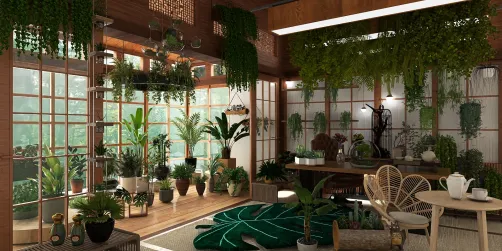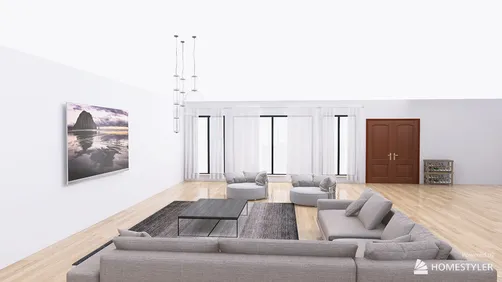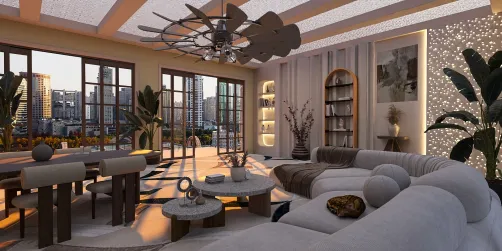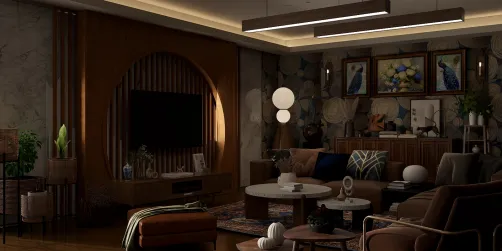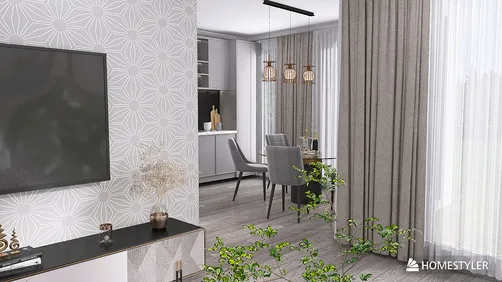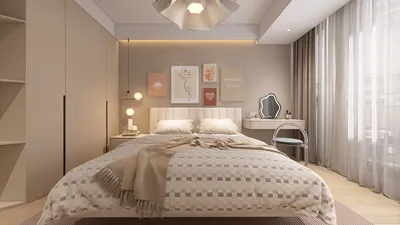
I've discovered that selecting the right small side table can greatly enhance the functionality of compact spaces—acting as a convenient landing space, a pedestal for lighting, a hub for storage, and a visual focal point without obstructing movement. In living rooms measuring under 180 square feet, opting for a small table with a diameter of 14 to 18 inches tends to create an ideal balance for both accessibility and flow. This insight is supported by research from Steelcase, which indicates that a well-organized and appropriately sized environment can reduce visual distractions and promote focus and comfort. In fact, 48% of employees suggest that an organized workspace boosts their productivity, as highlighted in the Steelcase Global Report. Furthermore, adhering to WELL v2 lighting guidelines, with recommended illuminance levels between 300 and 500 lux for task areas, makes a strong case for placing a small side table in a location that allows for convenient lamp placement within an ergonomic range, especially when using tools like Homestyler.
When seated, our natural behavior leads us to reach for surfaces that are within a lateral distance of 16 to 20 inches; attempting to stretch beyond this range can result in awkward postures. According to Herman Miller's ergonomic studies, minimizing reach and twisting can significantly reduce strain on the muscles during daily tasks, such as picking up a glass or a phone. It’s essential to align the table tops with the height of the sofa arms (usually between 24 and 26 inches) or the seat height (18 to 20 inches), depending on the intended use. For those who are interested in more comprehensive frameworks that detail how environments shape workplace behavior, I frequently reference insights from the Gensler Research Institute. Their findings consistently reveal that appropriately sized furniture contributes to a sense of control and overall satisfaction. For further clarification on lighting standards, the Illuminating Engineering Society offers detailed guidance on task illuminance levels and glare mitigation techniques.
In compact spaces, the layout plays a crucial role. I often experiment with various placements before settling on a design—like discreetly positioning a slim c-table beneath a sofa arm, rearranging a nesting table set close to the main seating area, or placing a triangular table in circulation paths while maintaining balance. If you're considering multiple layout options, using a room layout tool can assist in visualizing clearances and sightlines without guesswork, making it easier to design using platforms like Homestyler.
How to Select the Ideal Small Side Table
Begin with intent. Consider what this table's primary function will be 70% of the time—whether it should support a lamp, hold a drink, store remotes, or display books. This decision will guide you in determining its diameter, height, and storage options. If it’s primarily for lamp usage, aim for a diameter of 16 to 20 inches while ensuring it has a stable base. For serving snacks or beverages, choose surfaces with durable finishes and a slight edge to prevent items from sliding off. When storage is necessary, seek options with shallow drawers or a lower shelf that won't clutter the visual space in your room, allowing your decor to shine, especially when enhanced by tools like Homestyler.
Proportions, Scale, and Spatial Relationships
Proportion plays a vital yet often understated role. A common ratio I apply is setting the top diameter to roughly 60 to 70% of the adjacent cushion depth; this achieves a visually pleasing yet compact arrangement. If your sofa has lower arms, aim for a table height that is 1 to 2 inches below them to avoid accidental bumps. For armless lounges or accent chairs, it is best to align the table height with the seat height plus an additional 0 to 2 inches. Always ensure circulation is unobstructed: maintain an 18-inch gap between coffee tables and seating, and a minimum of 24 to 30 inches for primary walkways. When choosing multiple small tables over one larger piece, stagger their heights by 2 to 4 inches to add rhythm and facilitate easier access from various seating positions.
Choosing Materials and Finishes Wisely
Materials can greatly influence both the physical and visual weight of your decor. In smaller rooms, I prefer open bases, slender legs, light wood or glass tops, and matte metal frames. Light reflects gently off eggshell or satin finishes, reducing glare while brightening the space. For areas with high usage, selecting scratch-resistant materials such as high-pressure laminate or treated hardwood is advisable. If sound is a concern, avoid large flat surfaces; using paired materials (like a wooden top with fabric baskets or cork coasters) can help mitigate noise. Additionally, opting for sustainable materials like FSC-certified woods and powder-coated steel not only provides durability but is also environmentally friendly as it delays the need for replacement.
Lighting, Color Psychology, and Controlling Glare
A small table is an excellent companion for task lighting. Position a lamp with a color temperature between 2700 and 3000K for cozy, relaxing evenings; reserve a 3500 to 4000K lamp for instances where the table is utilized as a work area. Aim for an illuminance level of 300 to 500 lux on the surface, while shielding the bulb from direct view to minimize glare discomfort. For color choices, utilizing neutrals on the table allows accessories to set the mood—inviting shades of warm wood, calming desaturated greens and blues, or a soft black that anchors a light scheme without adding heaviness. Be mindful of reflectance: high-gloss finishes can amplify reflections, while satin or honed surfaces tend to create a quieter effect in the space.
Ergonomics and Human Factors
Comfort hinges on the inches. The far edge of the tabletop should remain within a comfortable reach of about 16 to 18 inches from the sitter’s torso. Rounded corners can help reduce collisions with thighs when navigating tight spaces. For areas shared by multiple users, consider nesting tables that offer flexibility: they can be pulled forward for work and tucked away during gatherings. If you frequently alternate between standing and sitting, a counter-height table (24 to 26 inches) next to a higher armrest or banquette can serve dual purposes, such as a mini laptop stand for brief tasks.
Smart Storage Solutions Without Bulk
Seek out slender drawers (with a clear height of 2 to 3 inches) for hiding cables and remotes. A tray top can provide spill control and organizational structure. Utilize wire or cane shelves to keep the base visually light. For versatile functionality, a lift-top design can conceal chargers and power strips—just be sure that cable management exits are at the back and that the hinge doesn't block your knees during use.
Shapes That Justify Their Space
- Round: ideal for tight corners and shared reach, facilitating easier movement around edges.
- Oval/oblong: fits snugly alongside sofas when space is limited.
- Triangle/teardrop: perfect for tucking into corners or positioning between chairs.
- C-table: slides conveniently under the sofa base, making it perfect for snacks and laptop use.
- Nesting pair: dynamic height offers flexibility without overwhelming visual mass.
Effective Placement for Small Spaces
- Primary anchor: position a single 16 to 18-inch round side table beside the most frequently used seat to hold a lamp and a coaster tray.
- Between seats: utilize a triangular or an oblong table (14×20 inches) for shared accessibility.
- Floating sofa: two petite round tables behind the corners can act as lamp pedestals in spaces where a console can’t fit.
- Window nooks and alcoves: slim c-tables help maintain light visibility and walking clearance.
Utilize an interior layout planner to verify reach and clearances to ensure your design works effectively, using tools like Homestyler.
Trends for 2024–2025: Maximizing the Potential of Small Tables
- Soft geometry: rounded rectangles and pill shapes enhance smooth circulation.
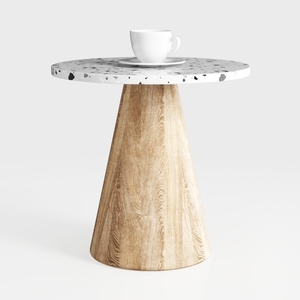
- Mixed textures: combine stone tops with wooden stems or ribbed metal legs to create a dynamic light effect.
- Concealed technology: integrate wireless chargers beneath wood or ceramic surfaces; cord outlets routed through the rear legs.
- Color highlights: an accent table can enliven a neutral aesthetic, keeping the finish matte for a serene look.
Clutter-Free Styling Tips
Adopt a minimalist approach: one lamp, one functional tray, and one organic addition (like a small plant or a textured book). Keep vertical items low to avoid obstructing sightlines. If the table is particularly small, consider wall-mounted lighting to free up space for daily essentials.
Maintenance and Longevity Strategies
To protect your surfaces, place protective pads beneath lamps and ceramic items to prevent rings. Clean as needed with a damp cloth and a pH-neutral cleaner while avoiding ammonia on lacquer surfaces. Regularly re-wax or oil wooden surfaces in accordance with the manufacturer's instructions to maintain their sheen. Rotate the table occasionally to ensure even wear on areas exposed to sunlight.
Common Mistakes to Avoid When Choosing Small Tables
- Ensure the tabletop is not higher than the sofa arm to avoid elbow bumps.
- Avoid oversized lamp shades that extend beyond the table's edges.
- Steer clear of high-gloss finishes positioned toward west-facing windows to minimize glare issues.
- Always use coasters on porous stone or raw wood surfaces to prevent damage.
- Don’t overlook the importance of planning for cable exits when setting up charging areas.
Frequently Asked Questions
The table height should ideally match the position of the sofa arm (between 24 and 26 inches) or be within 2 inches of the seat height (18 to 20 inches). Aligning arm heights facilitates easier access for lamp adjustments and drink retrieval.
For most compact spaces, a diameter of 14 to 18 inches (or a short side of 12 to 16 inches on rectangular tables) strikes the right balance between reach and flow. This measurement should be roughly 60 to 70% of the adjacent cushion's depth.
Yes, simply complement it with a 2700 to 3000K lamp and aim for 300 to 500 lux on the surface. Use a shade or set the bulb off-center to mitigate glare and ensure the fixture is stable with a weighted base.
A triangular or rounded-corner rectangular table can fit neatly while maximizing reachability among users. Select a dimension of 18 to 22 inches on the long side and keep corners softened for safety.
Opt for slim metal frames with either wood or laminate tops, or glass features complemented by wood accents. Satin finishes are preferable as they reduce glare and minimize fingerprints compared to high-gloss versions. Materials like FSC-certified woods and powder-coated steel offer longevity.
For managing wires, look for tables that offer concealed power options under the tabletop or run a fabric-sheathed cord through the rear leg. Incorporating a shallow drawer for cables is also beneficial. Keep a single multi-device charger to minimize cable clutter and tangles.
Absolutely. Nesting tables increase available surface area and can be easily stored when not in use. Staggering their heights by 2 to 4 inches optimizes reachability while creating a visually layered effect.
For comfortable reach, the near edge should sit within 2 to 3 inches of the seat's front, while the far edge must not exceed 16 to 18 inches from the sitter's torso.
High-pressure laminate, sealed oak or ash, and powder-coated metal resist scratches effectively. Utilizing rounded edges and inset tops can significantly reduce the risk of spills.
Yes, consider opting for a counter-height C-table set at 24 to 26 inches high. Ensure you allow for knee clearance and that the base is stable, limiting usage sessions to short durations for optimal ergonomics.
Choose tables with open bases, slender legs, lighter or mid-tone finishes, and maintain minimal styling: one lamp, one tray, and one organic accent will suffice for a cohesive look.
It is essential to allow for clear paths: maintain at least 24 to 30 inches for main walkways and 18 inches between coffee tables and seats. Additionally, leave 3 to 4 inches between side tables and walls to prevent scuffing.

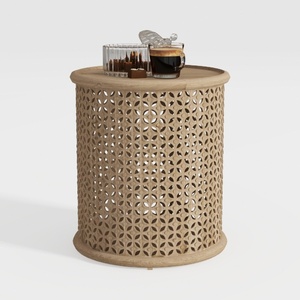
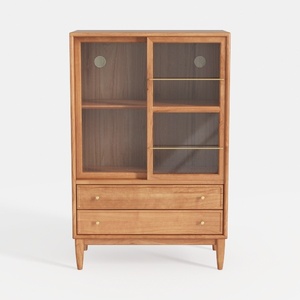
Homestyler is your go-to online home design platform! With its user-friendly design tool, stunning 3D renderings, diverse design projects, and informative DIY video tutorials, turning your interior design dreams into reality has never been easier. Explore, create, and be inspired today!
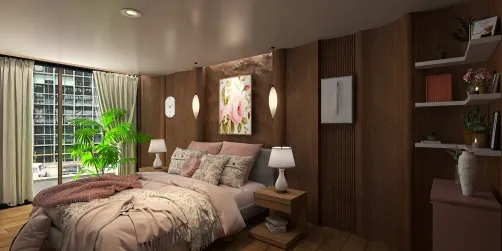



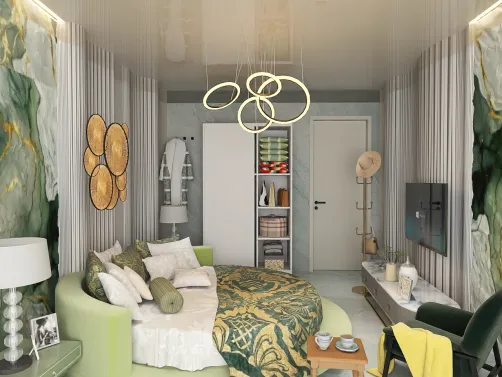





![Design [4]](https://hs-designs.homestyler.com/production/design/images/07c2de3a-88ec-4be8-8910-ff255b795bc2/1731419398293/7841697.jpg?x-oss-process=image/resize,w_502,m_mfit/format,webp)