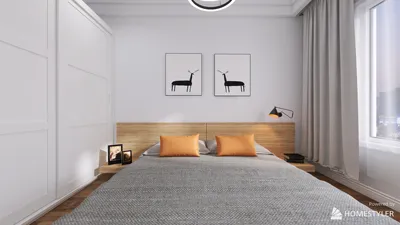


A queen sleeper sofa serves as a versatile solution in smaller homes—providing a full-size bed while still allowing for comfortable seating during the day. When I shop for these pieces, I focus on achieving a balance between seat comfort, sleep ergonomics, and the ease of transition in layouts under 450 sq ft. Given the limited space, it's crucial to consider dimensions, clearance arcs, and fabric types alongside aesthetic appeal, with tools like Homestyler enhancing the visualization process.
Practicality begins with understanding human factors. A queen mattress measures 60" x 80"; to accommodate it, most conversion mechanisms require a total open length of 90"–96" from back cushions to the foot. Research from Steelcase has demonstrated links between proper posture support and optimal pressure distribution, impacting both alertness and recovery. This is particularly important when a sofa also serves as a bed. Sufficient support can mitigate micro-awakenings often caused by inadequate sleeping surfaces. The WELL v2 Sleep Feature emphasizes the importance of minimizing disturbances through supportive surfaces and control over light, which is a valuable benchmark when evaluating mattress types and blackout strategies. Additionally, principles from Herman Miller’s extensive research library on workplace ergonomics can be beneficial even at home, particularly regarding spinal neutrality and pressure relief.
For effective layouts in small spaces, keeping open zones unencumbered is essential. In my designs, I ensure a circulation path of 30" around the edge of the bed, adhering to ergonomic suggestions, and I aim for a gap of 18"–24" between the sleeper's foot and the media console to ensure adequate toe clearance. According to Gensler Workplace Research, clearly defined spaces enhance task performance—this applies to home settings as well. A streamlined convert-and-stow sequence aids in reducing clutter and friction. When designing tight living areas, using a room layout tool or a platform like Homestyler can help visualize open arcs and side table placements before making any purchases.
What Makes a Queen Sleeper Sofa Ideal for Small Spaces
I evaluate five key aspects: the folded depth, arm profile, mechanism type, mattress composition, and clearance arcs. Slim track arms can save 4"–6" compared to rolled arms. Wall-saver designs or zero-clearance back legs prevent the frame from impacting baseboards. In terms of mechanisms, tri-fold foam platforms favor lightweight and simplicity, whereas traditional pull-out frames equipped with webbing and a separate mattress provide superior pressure relief.
• Overall sofa width should be between 72" and 84" to maintain proportion with a queen pull-out sofa.
• A seat depth of 20"–22" ensures that sitting does not feel overly reclined for daily activities.
• Target an open length of 90"–96"; make sure to check for any obstructions like coffee tables or door swings.
• Arm thickness should range from 3" to 5" suitable for compact spaces.
• Leg height of 4" to 6" creates a lighter aesthetic while facilitating easy cleaning.
Mattress Types and Sleep Experience
For regular sleepers, a 4.5"–5" high-density foam mattress with a transition layer outperforms thinner toppers. Incorporating hybrid coil units in sleeper frames enhances bounce and airflow but may risk discomfort without a supportive structure. Using memory foam increases contouring; I combine it with responsive foam to prevent sinking. The WELL v2 offers guidance regarding lighting environments, advising to maintain a correlated color temperature between 2700–3000K to facilitate pre-sleep relaxation and reduce glare—practical rules even for a living room setting.
Mechanisms: Simplifying Conversion
I assess pull-out frames based on lockable hinges and ease of use with single-hand grips. It's important to ensure the back cushions are secure, either attached or with stow pockets. Zero-clearance mechanisms pivot forward, optimizing wall space. Tri-fold platforms are generally lighter and foster a smoother conversion experience at night; however, traditional frames tend to support heavier users more effectively. Test the opening and closing sequence multiple times; any signs of grinding, pinching fabrics, or sagging arms are indicators of potential issues.
Materials, Durability, and Maintenance
Opt for performance fabrics rated for ≥30,000 double rubs on Wyzenbeek or Martindale standards to enhance longevity. Fabrics with tight weaves resist damage during the conversion process. Seek out removable cushion covers for quick clean-ups post-guest visits. Color balance is also important: according to Verywell Mind’s color psychology, mid-tone blues and muted greens can lower stress levels and contribute to a serene multi-purpose living room atmosphere.
Acoustic and Lighting Comfort in Compact Spaces
When incorporating sleeper frames, hard surfaces can introduce noise; soften this with a plush rug and acoustic panel art behind the sofa. Control glare from lighting by choosing shaded lamps positioned at or below eye level. During nighttime transitions, a low-lumen path light can help maintain sleep quality as recommended by WELL guidelines.
My Recommended Features
• Slim arms, a tight back, and tall legs to diminish visual bulk.
• A hybrid foam mattress around 5" paired with a breathable knit cover.
• Mechanisms that allow for forward-pivoting or zero-clearance functionality.
• A reinforced deck with webbing instead of just metal bars.
• Locking casters if the sleeper shifts on hard surfaces.
• Integrated storage solutions for bedding within the chaise or under-seat compartments.
Strategic Layout Moves to Optimize Space
• Position the sofa 6"–8" away from the wall to prevent crowding and facilitate cable management.
• Utilize a nesting coffee table that can be moved aside prior to opening the bed.
• Install lamps with swing arms, avoiding floor lamps that obstruct the opening length.
• Position the TV slightly off-center to keep the sleeper's foot free.
• If experimenting with options, an interior layout planner or tools like Homestyler can illustrate traffic patterns and door arcs around the opened bed.
Color, Texture, and Aesthetic Harmony
Setting neutral bases with a contrasting throw blanket creates a stylish rhythm without overwhelming visual clutter. Implement a three-value layer system—light walls, a mid-tone sofa, and a darker rug—to anchor the space when the bed is extended. Matte finishes on side tables minimize shiny highlights that can feel cluttered in tighter environments.
Sustainable Choices
Opt for kiln-dried hardwood frames and CertiPUR-US certified foams to lessen VOC concerns. Consider modular designs that permit component replacement to extend usability. Durable fabrics reduce the need for frequent replacement, minimizing carbon footprint over time.
Checklist Before Buying
• Confirm the open length and necessary wall clearance.
• Spend 10 minutes sitting and lying in-store to assess shoulder and hip pressure points.
• Evaluate the noise level and smoothness of the mechanism.
• Review fabric rub count and ease of cleaning.
• Measure doorways and stair turns to ensure fit for delivery.
• Ensure there is sufficient storage and ventilation for bedding to avoid odors.
Frequently Asked Questions
Q1: What clearance is necessary in front of a queen sleeper?
A: Allow for 90"–96" from the back of the sofa to the foot of the sleeper, and maintain an 18"–24" gap between the foot and any console for safe navigation.
Q2: Is it feasible for a queen sleeper to provide comfort for nightly use?
A: Yes, if equipped with a 4.5"–5" high-density or hybrid foam mattress and a supportive structure. Herman Miller's ergonomics research emphasizes the importance of maintaining neutral spinal alignment—be sure to check for hip and shoulder comfort.
Q3: Which lighting setups enhance guest sleep in a living room setting?
A: Warm lighting around 2700–3000K with low glare promotes relaxation, consistent with WELL v2 recommendations for supportive sleep environments. Blackout shades can be beneficial in case of unwanted streetlight intrusion.
Q4: What is the optimal mechanism type for compact spaces?
A: Zero-clearance forward-pivot mechanisms are excellent as they save wall space and limit baseboard collisions. Tri-fold platforms are quieter and faster; yet traditional frames often provide better support.
Q5: Which fabric types can withstand frequent conversions?
A: Performance fabrics rated at ≥30,000 double rubs can resist wear; tight, low-snag textures help avoid snags during conversion. Removable cushion covers make cleaning a breeze.
Q6: How can I minimize noise during late-night conversions?
A: Using felt pads beneath the legs, incorporating a rug to absorb sound, and lightly lubricating hinges can significantly reduce noise. Additionally, acoustic treatments such as curtains and upholstered panels can help mitigate reverberation.
Q7: What layout pitfalls should I steer clear of?
A: Avoid oversized coffee tables that obstruct the sleeve's opening, as well as poorly placed lamps that interfere with the mattress's fold-out. Centering wall mounts too close to the foot can be problematic. It's wise to simulate your layout using a room layout tool like Homestyler before making any decisions.
Q8: Is a chaise storage feature worthwhile?
A: Definitely, especially in small spaces. This feature can store bedding and streamline the conversion process. Just ensure there’s proper ventilation to prevent any odor issues.
Q9: How do color choices impact the perception of space?
A: Mid-tone sofas set against lighter walls can diminish visual mass. Verywell Mind supports the calming influences of soft blues and greens in multi-purpose environments.
Q10: What should I consider for delivery in tight stairwells?
A: Measure the sofa's width, diagonal depth, and the clearances of the stairwells. Many sleeper sofas have removable backs or arms—consult with the retailer about dimensions and options for disassembly.
Q11: What maintenance practices extend the lifespan of a queen sleeper sofa?
A: Regularly rotate seat cushions, vacuum mechanisms, promptly spot clean, and inspect fasteners every year. Choosing durable materials can reduce the frequency of replacements, benefiting both your wallet and the environment.


Discover the joy of home design with Homestyler! This user-friendly online platform offers a fantastic design tool, stunning 3D renderings, and a wealth of inspiring design projects. Plus, with DIY video tutorials, you’ll have all the guidance you need to transform your space effortlessly!
Дизайн сейчас бесплатно
































