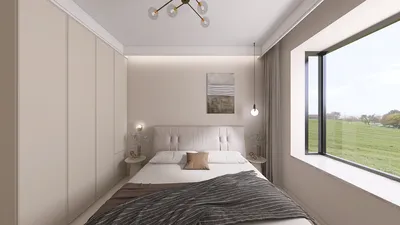


In compact city apartments, I've found that daybeds are often more practical than sofas. Their appeal lies in their versatility, elegant design, and unexpected comfort. A daybed can function as a lounge area, guest bed, window seat, or cozy reading nook, all while maintaining a visually open space. When utilized correctly, daybeds act as a reliable piece of furniture that enhances the feel of a small living area, making it seem more spacious. Homestyler can help visualize these arrangements effectively.
The Case for Daybeds Supported by Real Insights
The functionality of a room strongly advocates for the use of daybeds. Research by Steelcase on home office patterns reveals that since 2020, households utilize hybrid living spaces more—areas adaptable for relaxation, social interaction, and light work. According to WELL v2 guidelines, proper postural support and adequate lighting are crucial for reducing physical fatigue during extended hours spent at home. A daybed meets both needs, providing a comfortable seating option by day and a restful sleeping solution by night. For optimum lighting, the IES recommends achieving task illuminance of approximately 150–300 lux for casual areas and 300–500 lux for reading. Positioning a daybed well in combination with adjustable lamps facilitates this while maintaining a pleasant atmosphere. Verywell Mind highlights color psychology, suggesting that soft blues and muted greens evoke calmness and are perfect for daybed textiles.
When clients inquire about the comfort changes compared to a sofa, Herman Miller's studies on posture illustrate that varying positions reduce discomfort over time. The open design of a daybed encourages various relaxing postures, such as reclining sideways or sitting cross-legged, promoting healthy circulation and muscle relaxation. This adaptability is essential for keeping small living rooms feeling functional rather than cramped.
Ideal Locations for Daybeds
The placement of a daybed is critical. In narrow living rooms, measuring between 10–12 feet wide, a standard daybed of 75–80 inches fits perfectly against the long wall, freeing up the shorter edges for movement. To experiment with positioning—be it a window-side chaise or a wall-mounted daybed—consider using a room layout tool like Homestyler to explore clearances and sightlines before you decide.
Before selecting a daybed as the main seating option, I assess three key conditions: a prominent focal point (like a window or media wall), an unobstructed 30–36 inch pathway, and adaptable lighting. In asymmetrical spaces, place the daybed parallel to the longest wall and use a low-profile rug for grounding. For rooms featuring a corner fireplace, position the daybed to face the hearth on one end, while the other aligns with a reading lamp, establishing dual focal points for engagement.
Selecting Appropriate Daybed Dimensions and Proportions
For smaller living spaces, a daybed length of 75–80 inches, combined with a depth of 30–36 inches, strikes a satisfying balance between comfort and available space. Aim for arm heights around 25–28 inches to comfortably support back cushions while ensuring visibility is unobstructed. Ideally, seat height should reach 16–18 inches, allowing easy access to coffee tables. Maintain a distance of 14–18 inches between the daybed and the table for comfort; exceeding 18 inches may be inconvenient, while less than 14 inches risks spills and bumps.
If the daybed serves as a guest sleeping area, check the mattress size specifications: twin (38×75 inches) or twin XL (38×80 inches). Consider the construction—platform slats and foam density are crucial; a medium-firm (ILD 28–32) foam supports optimal reading posture, while adding a mattress topper enhances sleep quality. Keep bolster dimensions between 6–8 inches to maintain proper neck alignment.
Understanding Comfort: Ergonomics, Light, and Sound
An ergonomic setup combines three cushion types: a firm base cushion, medium bolsters for lower back support, and a soft throw for lateral lounging comfort. Following the WELL v2 guidance on illumination, create a layered approach with ambient lighting (dimmable ceiling fixtures), task lighting (adjustable lamps set at 300–500 lux for reading), and accent lights (2700–3000K warm LEDs located around the daybed for evening relaxation). Manage glare effectively using indirect lampshades or wall washers to avoid harsh reflections on shiny floors or displays.
Acoustic comfort is key when the daybed is used for napping or phone calls. Incorporating plush rugs, lined curtains, and a nearby bookcase strikes a balance between sound absorption and diffusion, minimizing echoes and enhancing voice clarity. If the daybed is against a shared wall, consider adding a felt backer or an upholstered headboard to dampen noise.
Choice of Fabric, Color, and Materials
Utilize performance fabrics with appropriate Martindale or Wyzenbeek ratings for heavy residential use to keep the daybed looking fresh. Opt for boucle, wool blends, or tightly woven performance linen with stain-resistant properties. In brightly lit spaces, choose UV-resistant materials and lighter tones (L* 65–80) to diminish heat absorption and fading. Color options like soft greens, muted blues, and warm neutrals naturally promote relaxation according to color psychology; introduce contrast through sculptural lamps or patterned rugs to enhance the daybed's appearance.
Choose frames crafted from FSC-certified hardwoods featuring water-based finishes for both durability and sustainability. When paired with metallic frames, brushed or matte finishes minimize glare; avoid high-gloss surfaces near windows which can amplify reflections and create visual disturbances.
Layout Strategies for Smooth Flow in Small Spaces
To prevent the daybed from acting as a visual barrier, ensure two clear pathways around it. In tighter areas, float the daybed 8–12 inches away from the wall while using a slim console table behind it for lamps and charging stations, eliminating the need for bulky side tables. If hosting is frequent, position two armless chairs at an angle of 15–25 degrees towards the coffee table to foster natural conversation.
For bay windows, place the daybed within the recess, aligning its long side with the window sill, and utilize layered sheers and blackout panels to regulate light for reading or resting. Verify your spacing using an interior layout planning tool like Homestyler to ensure comfortable chair swings and unobstructed door access.
Multifunctionality for Guests, Work, and Daily Activities
A daybed with a trundle can convert a living room into an effective guest space. Incorporate a folding screen for privacy and add a small tray table for personal items. For a work-from-home setup, situate the daybed near a window to benefit from natural light; WELL v2 promotes access to daylight as essential for healthy living spaces. A C-table can easily slide under the daybed, providing instant laptop support without creating clutter. When not in use, store pillows and bedding in a slim ottoman or bench with concealed storage solutions.
Styling Tips for a Collected Yet Uncluttered Look
Maintain a cohesive color scheme: one main color, a secondary hue, and a careful choice of accent. Limit pillows to three different sizes—20-inch squares, a lumbar pillow, and a bolster—to avoid overwhelming the seating area. A textured throw can soften the aesthetic without adding excess visual noise. Position art above the daybed roughly 6–8 inches above the top edge of the cushions; hanging it higher can disrupt the vertical design harmony.
Frequent Mistakes with Daybeds—and How to Prevent Them
Using inferior cushion density can lead to sagging; opt for high-quality foam or pocketed springs. Oversized arms can occupy valuable space; keep arm designs streamlined. Inadequate lighting can trap the daybed in darkness or create glare; utilize dimmers and layered lighting sources. Finally, avoid placing the daybed too close to a media wall to maintain optimal viewing distances—target 1.4–1.6 times the diagonal measurement of the screen.
Maintenance Practices for Longevity
To keep your daybed in great shape, rotate cushions every few months, vacuum with a soft brush attachment, and spot-clean according to the manufacturer's instructions. Managing sunlight is vital; use sheer liners during the day and drawn drapes at peak sun periods to extend fabric life. If slipcovers are part of the design, wash them on gentle cycles and air dry to help retain their shape. Assess frame fasteners annually, especially on models with a trundle, to ensure they are secure and to prevent squeaking.
Tips: Quick Layout References
For narrow rooms: position the daybed with its long side against the wall and keep the coffee table 14–18 inches away, with a single chair opposite.
For square rooms: float the daybed in the center, place two occasional chairs at slight angles, and use a 6x9 rug to define the conversation area.
For a window wall: set the daybed parallel to the glazing and provide lamps at both ends for balanced lighting during reading.
For a media-focused setup: position the daybed according to the proportional distance of the screen's diagonal, ensuring lighting reduces glare.
Frequently Asked Questions
Indeed, by ensuring the right cushion density and bolster function. Allowing for different seated positions is beneficial; Herman Miller’s insights on seating comfort back this up, showing that a variety of postures alleviates discomfort.
Implement varied ambient and focused lighting strategies. Establish around 300–500 lux for reading near the daybed, alongside 2700–3000K warm lighting for evening relaxation, in accordance with IES and WELL standards.
A typical daybed should measure between 75–80 inches in length and 30–36 inches in depth, accompanied by a clear perimeter of 30–36 inches and 14–18 inches between the daybed and table.
Opt for performance fabrics, wool blends, or boucle with stain-resistant treatments, verifying Martindale/Wyzenbeek abrasion ratings that are conducive to heavy residential use.
Absolutely. Select a twin or twin XL size with a trundle feature. Incorporate a privacy screen and a small tray table for nighttime transformations.
Ensure there are two unobstructed pathways, float the daybed slightly from the wall, and anchor the setup with a rug. Position adjacent chairs at angles of 15–25 degrees to facilitate a natural conversational layout.
Colors like soft greens, muted blues, and warm neutrals aid in fostering relaxation, as established by color psychology studies. Use contrasting lamps or rugs to maintain visual engagement.
Combine a plush rug, lined curtains, and book shelves for effective sound absorption and diffusion. Upholstered panels can enhance acoustics if positioned against a common wall.
Aim for seat heights of approximately 16–18 inches for effortless interaction with conventional coffee tables and ease of standing.
Plan the distance for viewing to be around 1.4–1.6 times the diagonal size of the screen, while using diffuse lighting to avoid glare during viewing sessions.
Experiment with different arrangements using a digital room design visualization tool, like Homestyler, to check accessibility, movement patterns, and focal points prior to making a purchase.
Regular vacuuming, spot-cleaning following fabric care guidelines, rotating cushions quarterly, and managing light exposure are essential for maintaining your daybed's appearance and durability.
Looking to design your dream space? Homestyler is your go-to online platform! With an easy-to-use design tool, stunning 3D renderings, countless design projects, and helpful DIY video tutorials, you can create your perfect home effortlessly—no experience needed!
Дизайн сейчас бесплатно
































