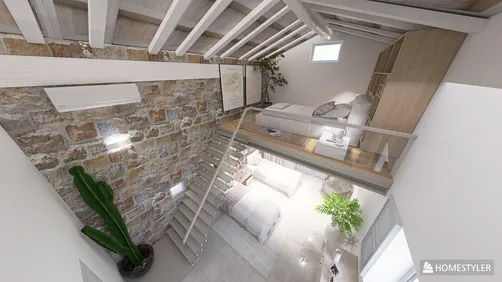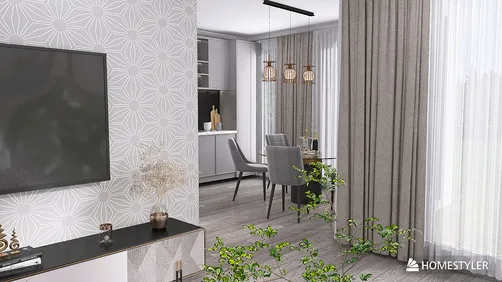
When seeking openness, flow, and a hint of sophistication in compact spaces, glass round coffee tables are my preferred choice. Their transparent surfaces diminish visual mass, allowing daylight to penetrate deeper into the room while keeping pathways clean and unobstructed. In limited living areas, this visual lightness is crucial: research from Gensler indicates that access to natural light is linked to higher productivity, and WELL v2 highlights the importance of glare control and visual comfort as fundamental components of a nurturing environment. I incorporate these concepts into my home decor as well, aiming for balanced lighting, calming sightlines, and simple proportions that work harmoniously together, enhanced by tools like Homestyler to visualize the design.
The importance of proportion cannot be overstated. A practical guideline I adhere to is selecting a table diameter that is approximately two-thirds the length of your sofa to ensure a comfortable reach and unimpeded pathways. Steelcase's research connects cognitive overload to cluttered environments; an oversized table can create awkward movement patterns, while one that is too diminutive may scatter necessary items across various side tables. I also advocate for maintaining a distance of 16 to 18 inches from the edge of the seat to the tabletop for ergonomic comfort, with about 30 to 36 inches of clearance in areas where the table meets primary traffic routes. For lower sofas, a table height of about 14 to 16 inches aligns well with relaxed lounging habits.
The Case for Glass in Compact Spaces
In smaller areas, the perception of volume plays a key role alongside the understanding of boundaries. Glass provides a solution by minimizing perceived volume, allowing the floor and rug designs to flow uninterrupted. This classic design strategy reduces visual density while maintaining a functional surface. With round shapes, the absence of sharp edges encourages natural movement; guests can shift, perch, and navigate without getting caught on any edges. I often complement glass tops with slender metal or wooden bases to preserve a sleek silhouette.
The Role of Lighting, Glare, and Glass Finishes
Effective lighting is essential when working with glass surfaces. Aim for a layered approach, employing ambient light at a warm range of 2700–3000K in living spaces, accent lighting for texture, and task lighting near reading areas. While glass reflects light, it can also reveal glare if the downlights are improperly directed. Positioning fixtures at a 30-degree angle and diffusing overhead light helps in fostering comfort, consistent with the glare management approach of WELL v2. Frosted or low-iron glass can enhance color accuracy, while lightly smoked varieties soften reflections and reduce the visibility of fingerprints. For rooms with significant sunlight, I recommend using matte-etched glass to mitigate glare while retaining an airy look.
Finding the Right Scale and Placement
Begin with your sofa's dimensions. For an 84-inch sofa, a diameter of 28 to 34 inches generally feels balanced; for loveseats around 60 inches, a size of 24 to 28 inches maintains practical reach. It's also vital to keep a gap of 12 to 18 inches from the front of the sofa to the edge of the table, widening this space to 18 to 24 inches where traffic flows through to enhance movement. If you're exploring ideas or experimenting with furniture arrangements, using a lightweight interior layout planner can help you visualize the space accurately and ensure correct clearances: consider a room layout tool for the best results.
Base Styles: Emphasizing Stability, Storage, and Aesthetic
Round glass tops work well with pedestal, three-legged, or sled bases. The selection impacts both stability and the overall visual flow: pedestals offer open legroom and a minimal look, three legs distribute weight evenly on uneven surfaces, and sled bases provide a contemporary design language. If storage is a priority, consider a double-tier design with a slim lower shelf made of wood or rattan to add warmth without increasing visual bulk. In family-friendly environments, I opt for soft pencil or flat polished edges on glass to create a safer, more welcoming surface.
Rugs, Color Impact, and Visual Equilibrium
A glass coffee table positioned atop a patterned rug becomes a focal point; the rug determines the atmosphere. Neutral tones and subdued patterns create a serene small room, while a single striking design under a clear table can capture attention. Studies in color psychology suggest that blues and greens are perceived as calming, while warm hues invite social interaction. Ensure the table is centered on the main motif of the rug or within its field by at least 6 to 8 inches for visual balance.
Material Combinations: Integrating Glass with Wood, Stone, and Metal
Glass serves as a mediator among various textures. With light oak flooring, I integrate bronzed metal to ground the color scheme; with darker floors, a satin brass base can elevate the mood. In very small rooms, I avoid pairing a glass top with a heavy stone base, as this can create an unbalanced look. Instead, I introduce stone through smaller accent tables or decorative elements. For eco-conscious projects, opting for tempered glass with high recycled content alongside powder-coated steel bases creates a durable, low-maintenance combination.
Ergonomics for Everyday Use
Attention to detail can greatly enhance comfort: consider the relationship between seat depth, table height, and the distance to reach for a mug. I target coffee table heights to be 1 to 2 inches lower than the sofa seat height, promoting open sightlines and relaxed postures. Sufficient edge thickness is crucial for a secure grip; while sleek designs are appealing, if the glass top is below 0.4 inches and spans a large area, it may flex. Tempered glass is my go-to choice for strength, and it shatters safely if broken—an essential feature for homes with children or pets.
Managing Acoustics with Hard Surfaces
Glass surfaces can reflect sound. In compact rooms where vibrant conversations happen, introduce softening elements such as a thick rug (at least 0.5 inches pile or a felt underlay), upholstered furniture, and drapes. These absorptive additions help dull sharp sounds, contributing to a relaxed lounge ambiance. A set of small felt coasters can also minimize noise impact from cups while safeguarding the surface.
Simplicity in Styling: Quality Over Quantity
When styling a small glass round table, less is often more. I prefer using a single low bowl, a small floral arrangement, or a grouped tray featuring different textures—like matte ceramics, leather coasters, or a book with a linen cover—to contrast the sheen of the glass. Keep vertical accents under 8 to 10 inches tall to maintain clear sightlines across the room. If a television is positioned opposite, steer clear of tall reflective objects that could distract from the viewing experience.
Prioritizing Safety, Maintenance, and Durability
Select tempered glass with a polished edge for safety. Felt pads beneath the bases can protect rugs and prevent sliding. For maintenance, a microfiber cloth combined with a streak-free glass cleaner will maintain clarity; avoid using abrasive materials that might dull the surface. It's wise to rotate the table occasionally to balance out sun exposure, especially if one side receives more daylight than the other, particularly with tinted tops.
Defining Spaces: The Coffee Table's Role
In studio apartments, a round glass coffee table serves as an excellent anchor for the living area without creating separation. Pair it with a compact loveseat and two armless accent chairs, complemented by a rug that clearly defines the space. The circular shape softens the grid-like feel while allowing the transparency of the glass to create a coherent flow throughout the room. If testing furniture arrangements before purchase, a quick simulation using an interior layout planner can validate your spatial ideas.
Frequently Asked Questions
For sofas measuring 70 to 86 inches, a diameter of 28 to 34 inches strikes a good balance between reach and flow. For loveseats around 60 inches, aim for a table size of 24 to 28 inches, maintaining 12 to 18 inches between the sofa and table edge for ease.
Utilize diffused ambient lighting, direct downlights to about 30 degrees, and consider etched or low-iron glass in brightly lit spaces. Task lamps featuring shades can help mitigate harsh reflections on the tabletop.
Certainly! The rounded design means fewer chances of bumping into corners, ensuring smoother circulation. It also complements floating furniture layouts, allowing passage from multiple sides.
Aim for a height of 1 to 2 inches lower than your sofa's seat height. If your sofa sits at 17 inches, a coffee table height of 15 to 16 inches will keep reach comfortable and sightlines unobstructed.
Indeed. Incorporate a thick rug with a felt underlay, plus soft textiles and a few matte accessories to absorb sound. This strategy not only counters the cool sheen of glass but also enhances the overall acoustic quality.
Three-leg and sled bases distribute weight effectively on plush rugs, while pedestal bases work well on flat-woven surfaces where the risk of wobbling is minimized.
Utilize a single tray to organize items. Keep it to three diverse elements with varied textures and heights under 10 inches, leaving at least half the table's surface clear for daily activities.
Absolutely. Tempered glass is designed to endure and shatters into safer, dull-dimensioned pieces, a feature I always prioritize in homes with children or pets.
Smoked or etched finishes help conceal prints. Keep a microfiber cloth nearby and clean with a streak-free glass cleaner, steering clear of abrasive pads that might mar the surface.
Let the rug and accessories establish the ambiance: shades of green and blue are known for their restorative qualities, while warm hues promote sociability. The glass top acts as a neutral lens, showcasing those colors without adding unnecessary weight.

Looking to transform your space? Homestyler is your go-to online home design platform! With its user-friendly design tool, stunning 3D renderings, inspiring design projects, and helpful DIY video tutorials, you can effortlessly create and visualize your dream home. Start designing today!








![Design [4]](https://hs-designs.homestyler.com/production/design/images/07c2de3a-88ec-4be8-8910-ff255b795bc2/1731419398293/7841697.jpg?x-oss-process=image/resize,w_502,m_mfit/format,webp)