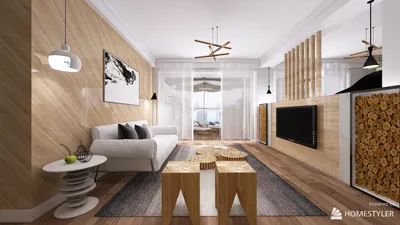


Having installed numerous compact water coolers in both residences and small offices, I've noticed an immediate enhancement in daily comfort levels. With cold, filtered water always at hand, hydration habits improve, clutter decreases, and the overall acoustics of a room can also benefit when the unit is properly chosen and positioned. A well-suited water cooler—one that's appropriately sized for the space, tastes pleasant, and is positioned at an ergonomic height—feels like a seamless part of the environment rather than an afterthought. Using tools like Homestyler can assist in visualizing the best placement for optimal integration.
Hydration is key to enhancing performance. Research by Steelcase indicates that short, easily accessible breaks for water can boost concentration and support micro-rest cycles in open workspaces. Similarly, studies from Herman Miller have consistently demonstrated a correlation between easy amenity access and improved task performance with fewer disruptions. The WELL v2 standard emphasizes both water access and quality as essential components of environmental nourishment, suggesting that having well-placed, filtered water coolers fosters healthier habits (wellcertified.com). These insights are practical; they directly impact how you position a small cooler and its height, contributing to a more productive atmosphere.
Size, Capacity, and Room Compatibility
For most small bedrooms, studies, or compact home offices ranging from 90 to 160 square feet, a mini tabletop or slim freestanding cooler with a 2–3 liter reservoir suffices for daily household use before requiring a refill. This setup helps to avoid the nuisance of oversized bottle storage that can consume floor space and create visual chaos. If you frequently entertain guests or manage a small team from home, consider a cooler with a capacity of 5–10 liters, but ensure it occupies no more than 12–14 inches squared to allow for proper airflow. It's crucial to maintain a clear 24–30 inch approach zone to facilitate ease of access and ensure comfort during use, which can even be optimized through tools like Homestyler.
Placement Strategy: Ergonomics, Workflow, and Circulation
Position the cooler in high-traffic areas—such as near doorways, at the end of a bookshelf, or next to a printer—rather than in corners of workstations. This strategic placement promotes natural hydration habits without causing constant distractions. Ideally, the spout height should be maintained around 38–42 inches from the ground, aligning with standard countertop ergonomics to reduce wrist strain. Utilizing an interior layout planner like Homestyler can aid in visualizing and mapping out furniture and traffic patterns, which helps identify clear paths and potential obstacles in your room layout.
Noise and Acoustic Comfort
Compressor-based coolers typically operate at noise levels of 35–45 dB, whereas thermoelectric models tend to be quieter yet may not cool as effectively. In environments meant for concentration or rest, aim for consistent noise levels below mid-40s dB. Placing the unit on a stable surface, such as with rubber feet or cork pads, cuts down on vibration. Ensure it's not trapped in corners where it can amplify noise resonance. If the cooler makes excessive noise during operation, moving it 6–8 inches away from the wall can help mitigate sound reflections and enhance airflow.
Lighting, Glare, and Visual Balance
Water has a tendency to reflect light. When placed under bright task lighting, shiny surfaces can create distracting glare. Opt for coolers with matte or satin finishes to minimize this effect, and position them out of direct lighting beams. A neutral-colored body can blend harmoniously in diverse settings; color psychology studies highlight that hues like soft blues evoke calmness and cleanliness, while neutrals adapt easily to changing aesthetics. If a pop of color is chosen, incorporating it elsewhere—like a book spine or plant pot—maintains visual consistency.
Water Quality, Filtration, and Health Standards
Choose units compatible with certified filters for easy maintenance. The WELL v2 standard underscores the necessity of user-friendly access and clearly labeled maintenance details. This encourages regular use and care. If local water conditions are poor, a combined carbon and sediment filtration method can enhance taste and diminish scale buildup. When selecting bottle-fed models, prioritize BPA-free options and store extra bottles in a ventilated area, avoiding direct sunlight exposure.
Power, Ventilation, and Safety
Thermoelectric models require adequate airflow; ensure there's a 2–3 inch clearance around all sides of the appliance, especially near heat-producing areas. Avoid plug-sharing with equipment that cycles heavily, such as space heaters or printers, to prevent minor voltage fluctuations and noise disruptions. Incorporating GFCI-protected outlets is advisable in multifunctional rooms. Effective cable management is vital—secure cords along the baseboard with clips to keep pathways tidy and reduce tripping hazards.
Material Selection and Sustainability
Opt for robust materials like ABS with reinforced seams and detachable drip trays. Stainless steel spouts are generally more long-lasting than chrome-plated varieties. For smaller spaces, consider models featuring recyclable filters and serviceable internal components to promote longevity and reduce waste. Pairing with a glass carafe can encourage users to avoid single-use options.
Thermal Performance: Cold Enough, Not Overkill
The ideal drinking temperature is typically between 45–50°F (7–10°C) for a refreshing taste. In hotter regions, consider a model that can maintain temperatures below 45°F during peak heat. Avoid situating the cooler near heaters or in direct sunlight, as these conditions can force prolonged cooling cycles and increase noise levels. For multipurpose areas, a dual-temperature model (cold and room temperature) caters to diverse preferences, accommodating both tea drinkers and children while reducing reliance on kettles.
Visual Integration and Clutter Control
Set the cooler on a narrow stand with built-in storage for filters and cleaning supplies. Maintain a single reusable bottle displayed on a tray to foster a habit of usage while avoiding surface clutter. If the cooler features LED indicators, opt for one with dimmable or night settings to prevent disruptive light emissions in bedrooms.
Maintenance Routines That Actually Stick
Establish a monthly routine for wiping down the cooler’s exterior, drip tray, and spouts; additionally, plan to replace the filters quarterly as per the manufacturer’s recommendations. Limescale and biofilm can develop where water stagnates; a quick rinse after extended breaks can help maintain taste quality. In instances of mineral buildup, using a diluted vinegar solution followed by a thorough rinse can effectively restore functionality without harsh chemicals.
Budget and Value
Entry-level compact coolers are comparatively affordable, but value is derived from factors like quiet operation, consistent temperature management, serviceable filters, and low visibility impact. I prioritize clarity in warranty and parts availability over extreme cooling capabilities; a cooler that integrates smoothly with your environment is more likely to be a lasting addition.
FAQ
For rooms sized 90–160 sq ft, a cooler with a 2–3 liter active reservoir generally meets the daily hydration needs of one to two users, minimizing frequent refills.
Opt for thermoelectric or low-decibel compressor models, position them on pads to absorb vibrations, and ensure 6–8 inches of rear clearance to curb any reflective noise.
Position the cooler in transition areas—such as near doorways or side tables—to encourage hydration during natural breaks instead of at a workstation where distractions arise.
Aim for a spout height of 38–42 inches from the finished floor to promote ergonomic access and lessen wrist tension during bottle refills.
A basic carbon filter can enhance taste and odor, safeguarding internal components against sediment, in line with WELL v2 standards for water quality.
Shiny surfaces can lead to distracting glare. Choose matte finishes or reposition the cooler away from direct light to enhance visual comfort.
Most individuals favor water at temperatures of 45–50°F for optimal refreshment, although colder settings may be beneficial in warmer climates but can increase energy consumption and noise levels.
Guide cords along the baseboard with clips, utilize a compact stand with storage for filters, and ensure one reusable bottle is clearly visible to promote consistent usage habits.
Thermoelectric models are usually quieter and more compact, but compressor units provide lower temperatures with more noticeable operational noise.
Certainly—select a quiet model with dimmable lights, keep it out of reach from beds, and use anti-vibration pads to enhance acoustic comfort.
Regularly wipe down surfaces, rinse after extended inactivity, and adhere to manufacturer guidelines for filter replacements based on frequency of use and local water characteristics.
Definitely. Maintain clearance of 24–30 inches for easy access, avoid obstructing door swings, and utilize a digital room layout tool like Homestyler to visualize safe pathways.
Looking to transform your home? Homestyler is your go-to online design platform! With its easy-to-use design tool, stunning 3D rendering, diverse design projects, and helpful video tutorials, you can effortlessly create and visualize your dream space, regardless of your experience level. Start designing today!
Дизайн сейчас бесплатно
































