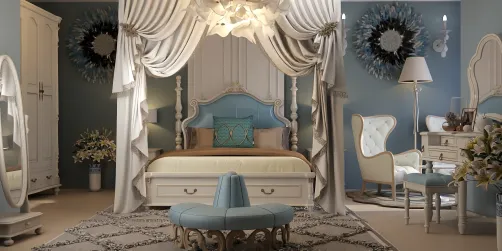
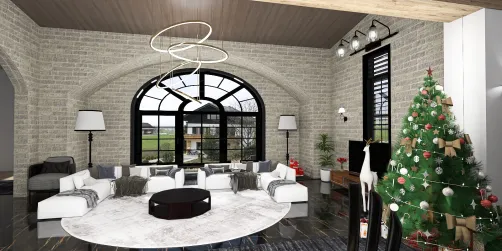
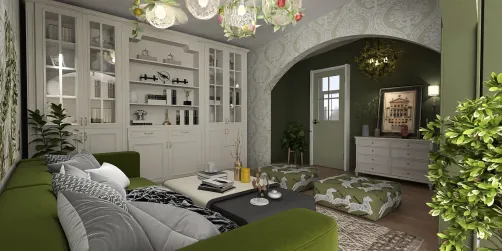
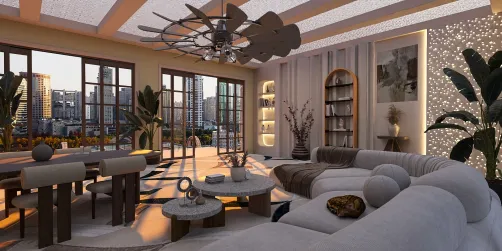
For years, dark paint has been mistakenly associated with cramped spaces. However, the truth is that the effect of dark colors on room perception varies based on light levels, reflectivity of surfaces, and visual continuity. Through extensive experience in designing environments—both homes and workplaces—I have observed that bright, deep-toned rooms can create a cozy ambiance while still feeling spacious, whereas poorly lit, light-colored areas often come across as flat and confined.
The key factor is lighting. The Illuminating Engineering Society (IES) suggests maintaining approximately 300–500 lux in living areas, with task zones requiring up to 500 lux; anything below 200 lux can diminish contrast and create a sense of spatial constriction, regardless of the wall color. Additionally, colors influence our mood and behavior: according to Verywell Mind's insights on color psychology, darker shades can convey elegance and concentration when paired with warm accent colors and sufficient light, instead of invoking a dreary atmosphere that results from inadequate lighting.
Understanding Dark Colors and Their Impact on Space
I intentionally employ contrast in my designs. Using high-contrast combinations—such as light walls against dark trim—can enhance edge definition yet create a sensation of enclosure. Conversely, employing low-contrast zones, where walls, ceilings, and trim share a narrow tonal range, minimizes visual breaks and can make a space feel unified and expansive. A deep, muted wall paired with a slightly lighter ceiling can create the illusion of height, while stark white ceilings against dark walls may cut through the space visually and reduce perceived ceiling height. To enhance spaciousness, I prefer gentler transitions and uniform sheen levels to prevent glare.
Effective Lighting Strategies: Lux Levels, Color Temperature, and Glare Control
The amount and quality of light play a more significant role in shaping spatial perception than paint color alone. For living spaces, I aim for an ambient light level of 300–500 lux, utilizing various light sources: diffused overhead lighting, wall-mounted wash lights for corner illumination, and dimmable lamps placed near seating areas. A color temperature of around 2700–3000K generates warmth, while task-oriented areas benefit from a clearer 3500–4000K range. I also monitor unified glare ratings (UGR) by controlling bright elements, as excessive glare can make dark surfaces feel overwhelming. The WELL Building Standard emphasizes the importance of glare reduction and circadian alignment; adhering to its guidelines typically results in environments that feel clearer and more open.
To learn more about enhancing occupant comfort through lighting, refer to resources from the WELL Building Standard. Additionally, I consider recommendations from IES regarding adequate lux levels and glare control practices detailed in their standards catalog.
The Emotional Impact of Color: Depth, Focus, and Atmosphere
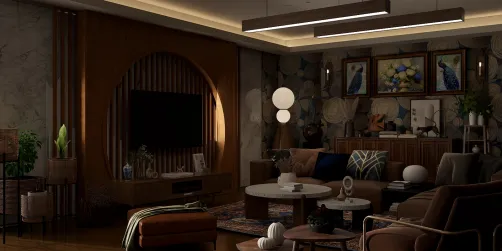
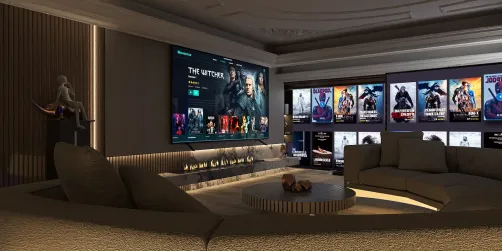
Dark colors foster a sense of intimacy and concentration, which is advantageous in spaces like reading corners, media rooms, or bedrooms. Deeper shades of blue and green can provide a calming effect on the nervous system, while charcoal tones with warm undertones feel reassuring rather than cold. The secret lies in achieving balance—complementing darker hues with tactile materials such as linen, wool, and matte wood, along with warm accents to soften the space. If a client desires drama without heaviness, I balance deep wall colors with expansive sightlines, striking artwork, and a light rug to elevate the overall appearance.
The Role of Ceilings, Trim, and Visual Flow
The ceiling plays a crucial role in perceived volume. Painting the ceiling one or two shades lighter than dark walls—while maintaining the same undertone—helps preserve continuity and enhances the feeling of height. Coordinating trim with wall colors minimizes boundary lines, thus widening the perceived area. In lofty settings, I occasionally opt for darker ceilings to create an intimate atmosphere and scale down the overall feel.
Selecting Appropriate Furniture Size, Finish, and Material
Often, it is oversized furniture that contributes to the sensation of a 'small' room—not the dark paint itself. I strive for balance in proportions: choosing furniture with slender arms, elevated bases, and legs that reveal more of the floor to broaden sightlines. The sheen of finishes is significant; high-gloss dark paints can accentuate flaws and trigger excessive specular glare. In contrast, eggshell or matte finishes absorb light gently, minimizing harsh reflections. Incorporating natural textures, such as rattan, oak, or boucle, also injects vibrancy into deeper color schemes without disrupting the overall coherence.
Establishing Spatial Ratios: Treatment of Edges and Visual Harmony
Achieving spatial balance relies on a consistent visual rhythm. I typically adhere to a 60/30/10 ratio: 60% of a dominant mid-tone color, 30% as a secondary (which may be a darker shade), and 10% for accents. When the secondary hue is deep, I ensure that the 60% area remains supportive rather than stark. Repeating the darker shade across three surfaces—walls, a piece of furniture, and a textile—creates cohesion, leading to a well-designed appearance rather than a clunky one.
Utilizing Daylight, Reflectance, and Window Treatments
Natural light can drastically alter perceptions. With adequate window positioning, dark walls can frame and enhance brightness, creating a more open atmosphere. I avoid heavy drapery with strong contrast; instead, I prefer layered sheer fabrics and side panels to maintain vertical light paths. Light-colored rugs and artwork can boost luminance at eye level, while brass or matte brass fixtures offer warmth without excessive glare. For spaces with limited natural light, wall washing and cove lighting can restore visibility to edges, and mirrors positioned to capture lateral light—rather than facing directly toward a window—can enhance the depth of views.
Optimizing Layout and Sightlines: How Arrangement Influences Perception
The arrangement of objects and spaces dictates whether dark paint creates a cozy feel or a claustrophobic experience. I anchor larger pieces along the longest wall while ensuring circulation areas remain clear to extend visual flow. Aligning furniture to direct sightlines toward brighter points—such as windows or illuminated art—can enhance spatial perception. During the planning stage, I often utilize a room layout tool to simulate massing and movement paths for visual clarity.
Acoustics and Comfort: Enhancing Space Perception Through Sound Management
Acoustic comfort significantly impacts how we perceive space. Rooms with hard surfaces that amplify echoes can feel harsher and more constrained. Pairing dark, matte finishes with soft textiles like area rugs and acoustic panels reduces reverberation, creating a calmer and more expansive atmosphere. I strive for a balanced approach to sound absorption to mitigate voice echoes—this is particularly vital in open living-dining areas.
When to Choose Dark Walls
Spaces such as media rooms, libraries, bedrooms, and intimate dining spaces thrive with dark paint choices. In smaller areas, I ensure corners are well-lit, ceilings are kept lighter, and trim is minimal. For larger spaces with significant ceiling heights, deeper hues provide intimacy and counterbalance any cavernous feelings. The most compelling proof has stemmed from personal experiences; clients who adapt to well-lit, deep tones seldom revert back to the uninspired all-white palettes.
Practical Guidelines for Successfully Implementing Dark Paint
- Aim for an ambient light level of 300–500 lux; incorporate 500+ lux task lighting where necessary.
- Maintain a color temperature of 2700–3000K for relaxation areas; utilize 3500–4000K for improved task clarity.
- Avoid high-contrast borders; align trim to wall colors when feasible.
- Opt for matte or eggshell finishes to minimize glare.
- Consider furniture scale; lift pieces off the ground to reveal more floor space.
- Employ wall washing techniques to enhance visibility in corners and along edges.
- Integrate textiles and acoustic elements to foster a serene environment.
Frequently Asked Questions
Q1: Does dark paint inevitably shrink the appearance of my room?
A: Not necessarily. With ample ambient light (around 300–500 lux) and minimized high-contrast edges, dark paint can create an expansive and enveloping atmosphere rather than a constricted one.
Q2: What color temperature is optimal for complementing dark walls?
A: A range of 2700–3000K adds warmth suitable for living spaces; for task-oriented sections, 3500–4000K maintains clarity without making the area feel sterile.
Q3: Should the ceiling be painted lighter than the walls?
A: Typically, yes—selecting one or two shades lighter while keeping the same undertone enhances coherence and elevates the perceived ceiling height. In high ceilings, a darker ceiling may help scale down the space.
Q4: How can I prevent glare on dark surfaces?
A: Employing matte or eggshell finishes, using diffused lighting fixtures, and shading bright bulbs helps manage glare. Creating smooth transitions with indirect lighting can also eliminate harsh reflections.
Q5: Are mirrors beneficial in dark spaces?
A: Yes, mirrors can be effectively utilized to capture lateral or ambient light and enhance spatial depth; however, positioning them directly across from a window may lead to undesirable glare instead of a balanced luminescence.
Q6: What furniture choices mitigate a cramped sensation?
A: Select pieces with refined armrests, visible legs, and taller bases. Maintaining clear circulation routes and placing heavier furniture along the longest wall helps broaden sightlines.
Q7: How does sound management influence size perception?
A: Softer surfaces that absorb sound minimize echoes and cognitive strain, allowing rooms to feel more serene and spacious. Utilizing rugs, drapes, and sound panels can be highly effective.
Q8: Are dark colors appropriate for cozy small bedrooms?
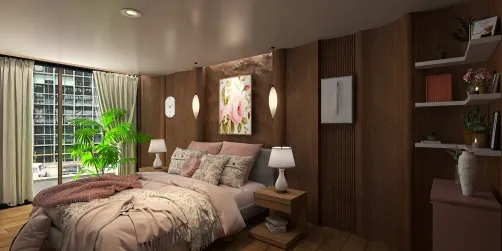
A: Absolutely, especially when combined with layered lighting and a lighter ceiling. Dark walls can foster a restful cocoon without resulting in a tight feel if edges are well illuminated.
Q9: Can I incorporate bright accents with dark walls?
A: Yes, certainly. Maintaining an accent ratio of around 10% and distributing it through art, textiles, or lighting will prevent any fragmentation of the visual space.
Q10: What is the best way to strategize layout prior to painting?
A: Visualizing massing and traffic patterns using an interior layout planner, combined with experimenting with light locations, ensures that unobstructed sightlines are prioritized as much as color selection.
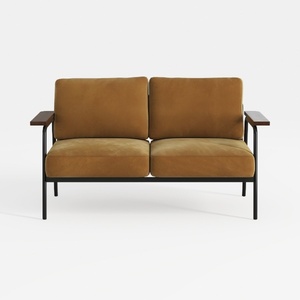
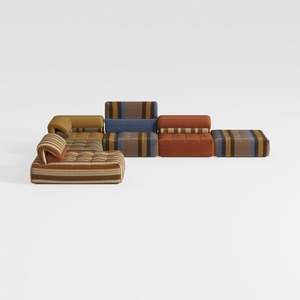

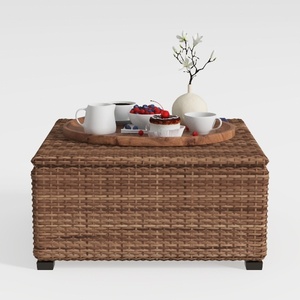
Homestyler is your go-to online home design platform! With its easy-to-use design tool, stunning 3D renderings, and a rich selection of inspiring design projects, it empowers you to create your dream space effortlessly. Plus, enjoy helpful DIY video tutorials to boost your creativity!








![Design [4]](https://hs-designs.homestyler.com/production/design/images/07c2de3a-88ec-4be8-8910-ff255b795bc2/1731419398293/7841697.jpg?x-oss-process=image/resize,w_502,m_mfit/format,webp)