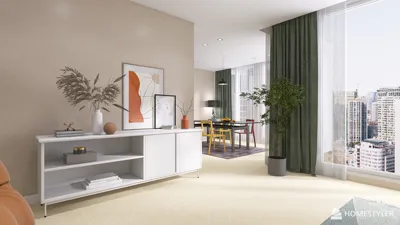


I regard scent as a design element that significantly influences first impressions, much like color or lighting. A thoughtfully chosen room fragrance can dramatically alter the atmosphere in a matter of moments, covering up temporary smells while introducing a distinct aroma that aligns with the room's function. In projects related to workplace or hospitality, I have observed how the right ambient scent can enhance brand recognition and subtly influence human behavior, such as creating a tranquil living room or invigorating a home office before virtual meetings.
There are solid reasons behind this phenomenon. Studies focussing on environmental stimuli indicate that multisensory elements affect the perceived level of cleanliness and comfort; according to Steelcase, environments that harmonize sensory inputs lead to heightened satisfaction and efficiency in functional spaces. WELL v2 emphasizes the importance of indoor air quality and controlling pollutants, advocating for reduction at the source and meticulous selection of materials in fragrances to minimize irritants and spikes in volatile organic compounds (for reference: WELL v2 Feature X12 and A01 frameworks vary). When I select fragrances, I prioritize transparency in ingredient lists, low-VOC carriers, and profiles that highlight essential oils, all while maintaining air quality standards.
Design Intent: Aligning Scent with Purpose
Choosing the right fragrance begins with understanding the room’s purpose. For areas designated for concentration, like home offices, I prefer fresh, herbaceous scents such as rosemary, basil, and eucalyptus, which exude a clean and alert atmosphere without being overwhelming. The color psychology insights from Verywell Mind connect cooler hues with calmness and clarity, a concept I also apply to scent selection; brisk, refreshing aromas complement muted color schemes and task lighting between 4000-5000K. Conversely, for relaxation spaces like lounges and bedrooms, I transition to low-volatility woods such as cedar and sandalwood, along with soft floral notes to moderate diffusion and prevent overstimulation. In kitchens and entryways, I find citrus or tea fragrances invoke cleanliness and help reset the senses after cooking activities.
Application Techniques: Diffusion, Altitude, and Timing
The method of application is as crucial as the fragrance itself. I aim to spray away from fabrics and target shoulder height in an open space, executing two to three short bursts in rooms measuring 150 to 200 sq ft, allowing 60 to 90 seconds for the air to circulate. When near seating areas, I direct the scent towards airflow pathways rather than at individuals directly. Prior to guest arrivals, I like to spray the room about 10 to 15 minutes in advance to let the initial notes emerge and settle. In acoustically lively environments, the scent can seem stronger; thus, I reduce the amount I apply when hard surfaces amplify sensory experiences, sometimes pairing fragrances with softer textures to mitigate echoes.
The Role of Lighting, Rhythm, and Freshness Perception
The sensation of freshness stems from a blend of light, airflow, and aroma. In spaces with heightened vertical illumination and neutral-white light temperatures (between 3500 and 4100K), fragrances like citrus and mint are perceived as cleaner and more vibrant. For evening settings, I lower the light intensity to around 200-300 lux with warmer tones (2700-3000K) so musk and wood scents are inviting instead of overwhelming. Additionally, I steer clear of spraying directly beneath downlights, where heat can alter the scent's upper notes; instead, employing cross-lighting strategies keeps olfactory cues aligned with the visual ambiance, enhancing the overall perception of the space.
Air Quality and Sensitivities
Upholding a perception of freshness shouldn’t compromise comfort. I carefully check for common irritants such as phthalates and synthetic musks, and I prioritize blends that are low in aldehydes and comply with IFRA guidelines. WELL v2 promotes strategies aimed at reducing indoor pollutants; I complement sprays with regular ventilation and MERV-rated filtration systems to minimize particulates. In environments with allergy-sensitive individuals, I opt for singular, hypoallergenic notes, testing in small doses—a light spritz near an air return can help distribute the scent softly without concentrating it.
Behavioral Insights: Optimal Scent Usage
Areas with heavy foot traffic, such as entryways and bathrooms, gain the most from a quick aromatic refresher. I tend to integrate scent moments into daily routines—like a spritz after morning kitchen cleaning or just before bed. During social events, I avoid imposing strong scents at the entrance; instead, I prefer to scent areas around the space, allowing guests to appreciate a clean environment over a bold fragrance at the first point of contact.
Layering Techniques: Sprays, Textiles, and Cleaning Regimens
Fragrance sprays serve as a finishing touch, not the foundation of freshness. True cleanliness begins with diligent source management and cleaning schedules. Steelcase’s workplace hygiene studies link perceived safety to regular cleaning and air circulation routines. I establish a delicate base with neutral laundry practices for throws and curtains, followed by a targeted spray just before use. In spaces containing leather or natural stone, I ensure to avoid direct misting on surfaces to prevent residue or etching, allowing the fragrance to diffuse freely in the air.
Understanding Color Psychology and Scent
The visual palette and fragrance should harmonize with each other. In cool, monochromatic interiors, ozonic and tea-like notes reflect clarity, while in warm, earthy rooms, amber and gentle spices provide a complementary warmth. As noted in Verywell Mind’s exploration of color psychology, blue palettes evoke tranquility whereas greens foster balance—pairing those tones with light herbal or aquatic fragrances amplifies that intent and minimizes cognitive dissonance.
Adjusting Fragrance Intensity by Room Volume
The volume of the room influences the amount of fragrance used. For small bathrooms, one micro-burst directed at the ceiling is sufficient. In bedrooms around 150 sq ft, two short sprays at mid-room height work well. For large open layouts, I suggest scenting only the areas that are actively occupied, allowing mechanical ventilation to carry the aroma through the space. For optimal results, experimenting with an interior layout planner can offer insight into how air flows around partitions, drapes, and substantial furniture.
Sustainability Practices
Opt for recyclable packaging, concentrates that diminish waste, and brands that disclose complete ingredient lists. Refillable atomizers help lower waste output, and neutral carriers like water or plant-based alcohols limit lingering odors. Basic maintenance, such as using a lint-free cloth on frequently touched surfaces along with adequate ventilation, can reduce the necessity for frequent resprays.
How I Formulate a Quick Scent Strategy
1) Identify the desired ambiance (calm, focus, hospitality). 2) Assess for potential sensitivities and ventilation needs. 3) Choose a note family that resonates with the color palette and lighting arrangement. 4) Conduct small-scale tests at the time you typically utilize the space. 5) Establish a routine—whether daily, for guests, or based on specific tasks—and keep your sprays stored away from direct sunlight to preserve their top notes.
Frequently Asked Questions
Begin with single-note, hypoallergenic scents, applying a light spritz into the air rather than on fabrics or skin. Allow for ventilation for several minutes while observing the effects. Maintain air filtration and steer clear of phthalates or intense synthetic musks to mitigate irritants, in line with WELL v2 air quality standards.
For subtly scented profiles, refresh every 2 to 4 hours using only one or two brief bursts. Factors like heat, occupancy, and airflow can shorten the fragrance's longevity; adjustments might be necessary during social occasions, especially when doors and windows are frequently opened.
Fragrances like citrus (lemon, grapefruit), tea, mint, and light eucalyptus effectively convey cleanliness without suggesting a disinfectant aroma, particularly under neutral-white lighting at moderate brightness levels.
Sprays are effective for prompt refreshes and occasional use, while diffusers create a continuous, subtle scent background. I often integrate both—a diffuser establishes a base line, while a spray offers finishing touches for guest preparations.
Yes, direct application can pose issues. Mist should be disseminated into the air and not onto sensitive fabrics, leather, or natural stone. After applying, wait 60 to 90 seconds to allow the scent to disperse before welcoming occupants back into the space.
Warmer lighting and elevated temperatures tend to soften and enhance fragrance notes; cooler lighting sharpens citrus and herbal aromas. Always keep sprays away from heat sources like downlights or sunlit areas to maintain the integrity of the scent profile.
Utilize minimal amounts, avoiding direct contact with pets, and opt for pet-safe fragrance formulations. Ensure proper ventilation after application and monitor for any adverse reactions.
Rotate through the same fragrance family (for instance, from citrus to tea) and incorporate daily scent-free periods to allow your acuity to reset. In expansive plans, focus on scenting only the active areas to avoid overwhelming the entire environment.
High-traffic areas, such as entrylobbies, bathrooms, and kitchen areas, can benefit from immediate fragrances post-cooking. For better sleep, spray in bedrooms at least 15 minutes before bedtime, allowing for the top notes to dissipate while softer base notes remain pleasant and calming.
Utilize fresh green-herbal notes in small amounts to signal the beginning of working hours. Combine them with effective task lighting and ventilation; coherent sensory signals enhance focus, a correlation supported by Steelcase’s workplace research.

Homestyler is your go-to online platform for home design! With its user-friendly design tool, you can create stunning layouts effortlessly. Explore a vast collection of 3D renderings and inspiring design projects, plus helpful DIY video tutorials. Transform your living space into your dream home today!
Дизайн сейчас бесплатно
































