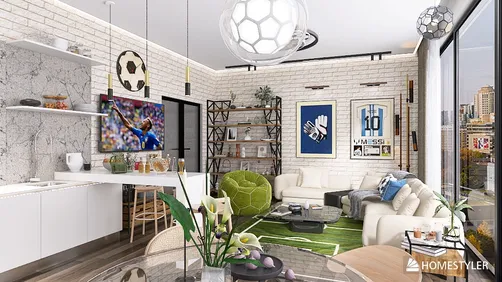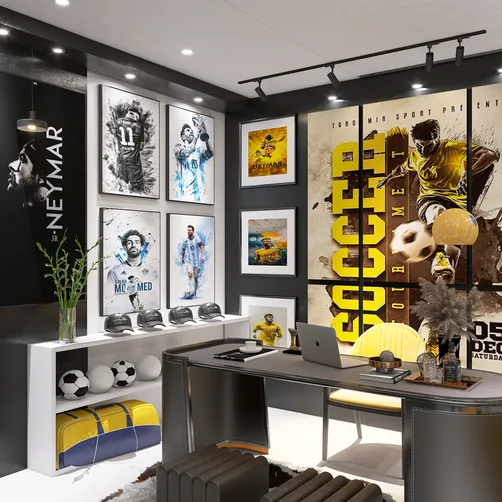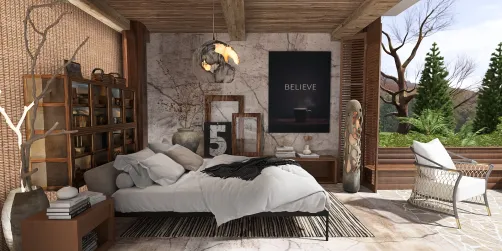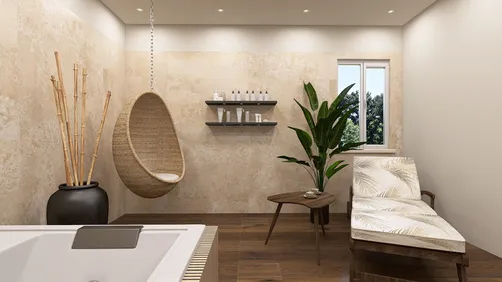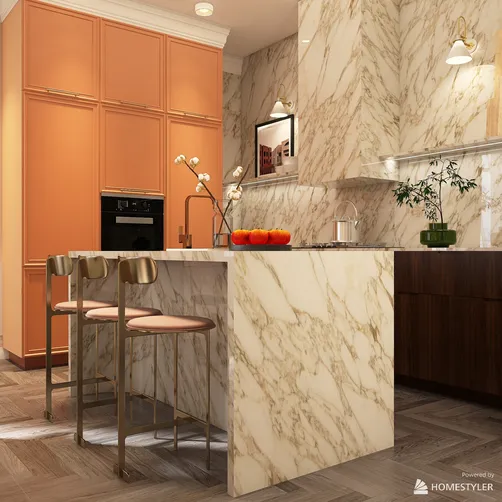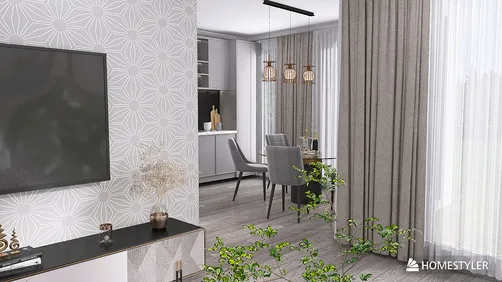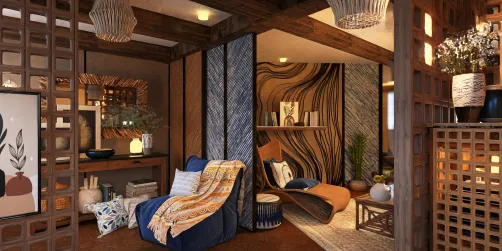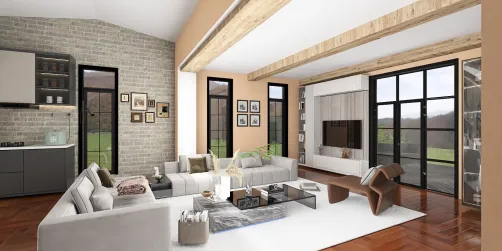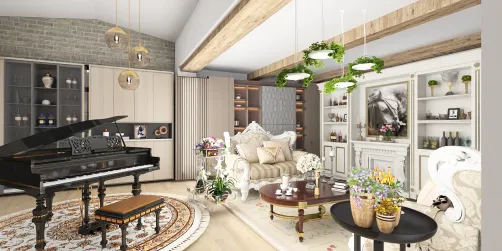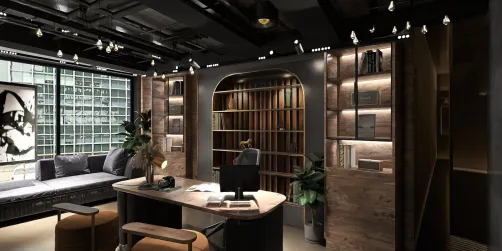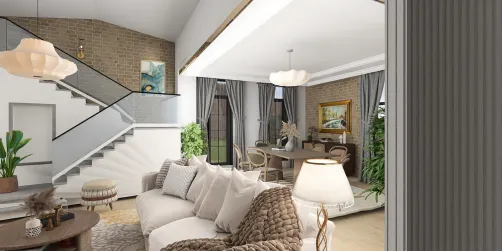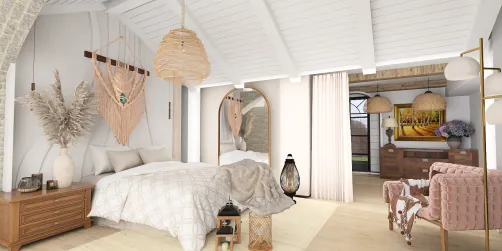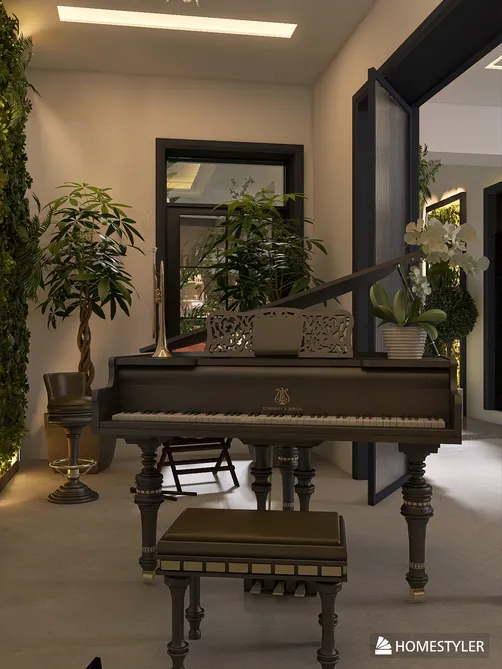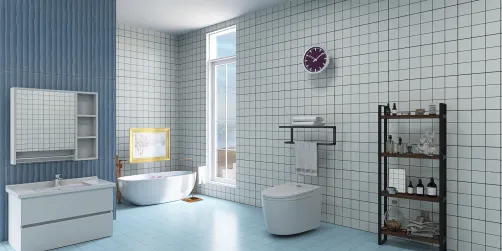
The future is approaching quickly, and I can already envision how single-story homes in Kerala will reshape daily routines in response to heat, rain, and the rhythms of community life. Current industry data indicates that detached homes are reducing in size while enhancing their functionality, highlighting a trend towards compact efficiency as noted by NAHB. Thus, a new single-floor model with 2000 sq.ft in Kerala becomes an essential tool for spatial reasoning. As I navigate the interplay among monsoon conditions, family dynamics, and modern technology, it becomes clear that the issue isn't a lack of space, but rather bandwidth: how to effectively manage climate, family interactions, and work simultaneously.
Veranda-Courtyard Spine
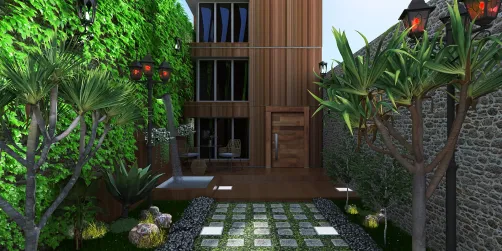
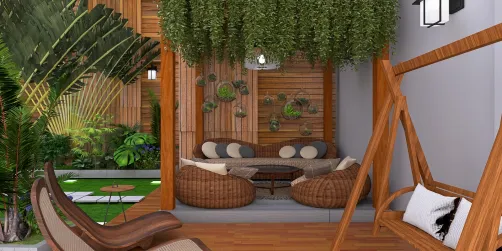
Design Logic: A deep veranda connects to a central courtyard, merging climate responsiveness with cultural context in architectural design. The anticipated heat spikes and social customs require shaded thresholds that not only provide comfort but also foster community bonds.
Flow: The pathway progresses from entry to veranda, living area, courtyard, and kitchen; this circular route promotes the seamless circulation of air and people without congestion, much like a resilient process.
Sightlines: From the front sit-out, one’s gaze flows inward towards the greenery, continuing to the dining area; various public, semi-public, and private zones blend into calming gradients.
Storage: Benches along the veranda, a spacious pantry near the kitchen, and cabinets along the courtyard edge offer organized storage solutions, separating dry and wet zones to maintain order during the monsoon season.
Furniture Fit: Utilizing slim teak furniture, a dining setup for 6–8, and modular charupadi-inspired daybeds; space constraints are defined by shaded spans and cross-ventilation nodes within the design.
Verdict: This architectural spine functions similarly to a cooling algorithm; five years from now, families will continue to read, host, and work in a breathable environment that remains comfortable.
save pinOpen in 3D Planner Processing...
Four-Bed Symmetry with Flex Studio
Design Logic: Featuring two bedrooms in each wing and a flexible studio near the living area, this design caters to multigenerational requirements and remote work, signaling a foundational shift in Kerala’s economy.
Flow: The sequence progresses from the living area to the flex studio, leading to the bedrooms (on the left and right) and shared baths; this branching structure is akin to well-organized code, minimizing interference between sleeping and working areas.
Sightlines: Strategically controlled diagonals allow visibility from the living area to the studio's glass exterior, rather than directly to the bedrooms; privacy is maintained through muted panels and glimpses of courtyards without exposure.
Storage: Wardrobe walls serve as indexed arrays, with lofts above doors designed to hold seasonal items, complemented by humidity-sensitive shelving near the bathrooms.
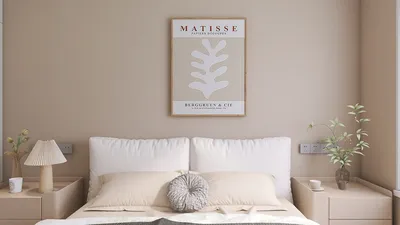
Furniture Fit: Queen beds measuring 60×80, with 30" clear spaces on either side; study desks positioned 48" from operable windows and built-in window seats aligned with airflow nodes.
Verdict: This symmetrical design adapts to evolving household dynamics—accommodating students, elders, and newborns—without requiring a complete overhaul of the floor plan.
save pinOpen in 3D Planner Processing...
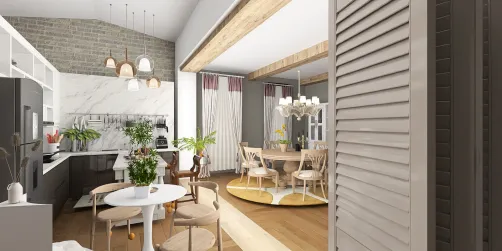
Kitchen-Dining Wet Core with Utility Bay
Design Logic: Centered around a wet core which incorporates cooking, dishwashing, and laundry, this design addresses Kerala's monsoon climate and the demands of spice-based cuisine by necessitating efficient ventilation and quick drying routes.
Flow: The interaction follows a path from the dining area to the kitchen, followed by the utility space and then to the rear yard; this streamlined movement resembles optimized processes: preparing, cooking, washing, hanging, and returning—all without backtracking.
Sightlines: The dining area showcases views of the green rear yard, while the kitchen’s user interface prioritizes functionality—keeping the hob concealed from the living area and aligning the sink with natural light and open courtyard spaces.
Storage: Featuring a tall larder with a depth of 24", specialized under-sink organizers, and ventilated spice racks ensure that aromas are contained and tools are easily accessible.
Furniture Fit: An extensive kitchen run between 10–12 ft plus a 6 ft island, with clear aisles of 36" and utility counters at a depth of 30"; appliances are strategically placed for efficient access.
Verdict: This wet core functions as a robust hub; even five years from now, it will maintain its efficiency amidst escalating routines, celebrations, and extensive cooking tasks.
save pinOpen in 3D Planner Processing...
Final Takeaway
The single-floor Kerala new model of 2000 sq.ft goes beyond mere architectural sketches, evolving into a living interface that addresses climate adaptations, family needs, and future work. Its design elements—veranda loops, courtyard cooling, and wet-service cores—effectively translate cultural nuances into sustainable practices. Long-term requirements, such as monsoon drying areas and multigenerational privacy, are seamlessly integrated here. Based on my observations, the most intelligent homes of the future won't necessarily be larger; they will be more intentional and adept, aided by tools such as Homestyler to visualize these innovative concepts.
Discover your dream space with Homestyler! This user-friendly online design platform offers advanced tools for 3D rendering, a plethora of design projects, and insightful DIY video tutorials. Whether you're a novice or a pro, Homestyler makes home design fun and effortless!