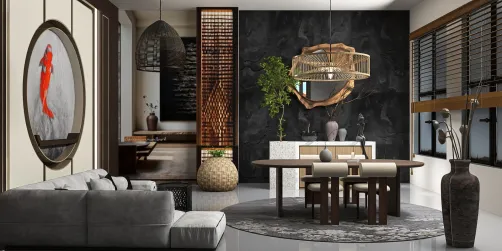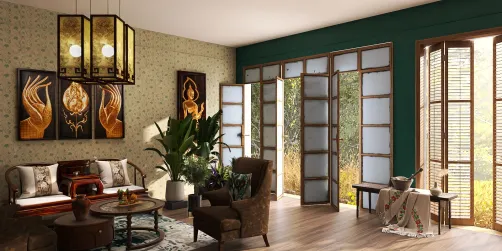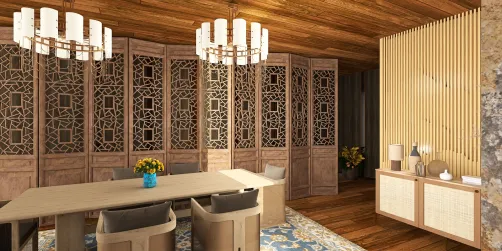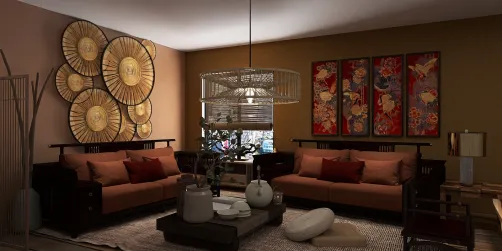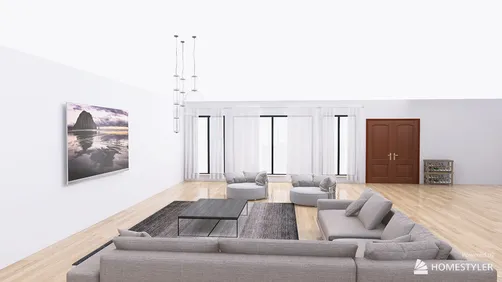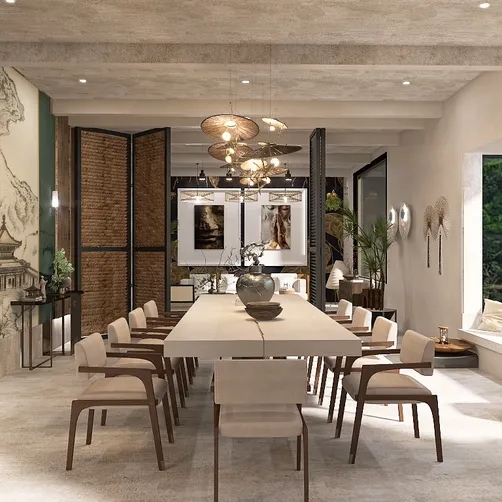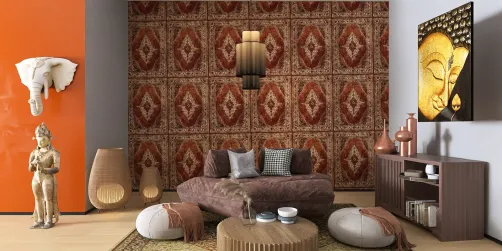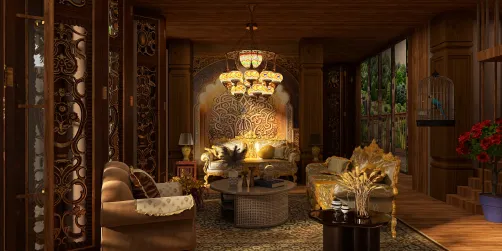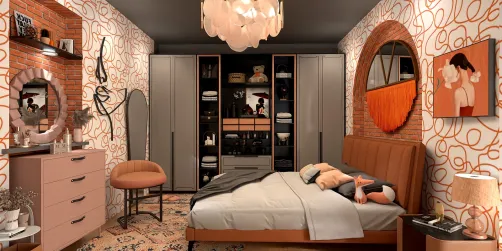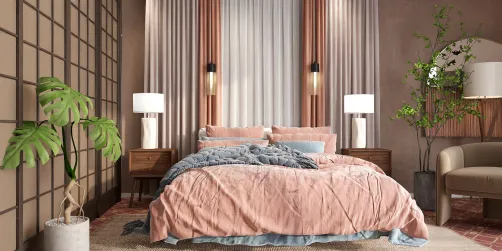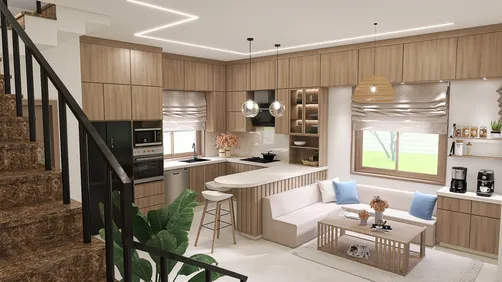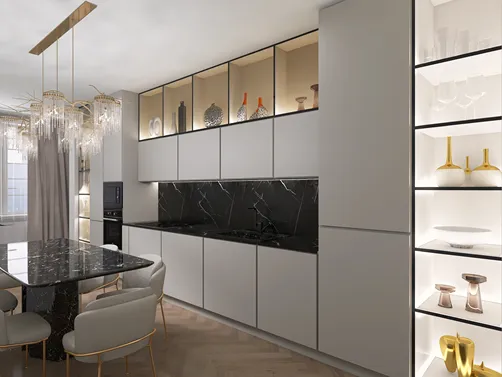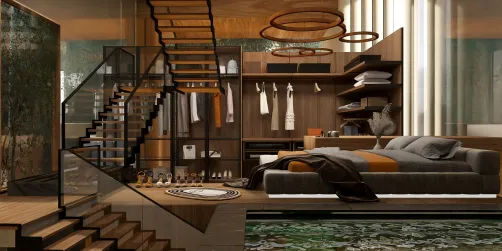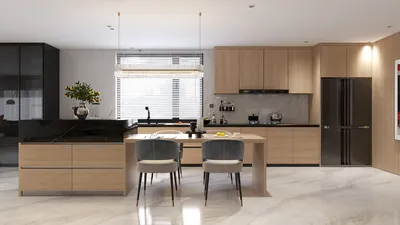
As we look towards the future, my clients continue to manage competing priorities such as noise, storage limitations, and hectic routines; it’s as if their homes are operating under pressure. According to data from NAHB, homeowners place a high value on flexible layouts and efficient storage, indicating a pressing need for a redesign in their home environment. Viewed through this perspective, a 3-bedroom apartment floor plan evolves to represent not just physical space, but a blueprint for future living habits. I conceptualize this design like a dynamic user interface, one that evolves, modifies, and anticipates needs, much like the functionalities offered by Homestyler.
spatial reasoning toolkit
Hybrid Core + Peripheral Quiet
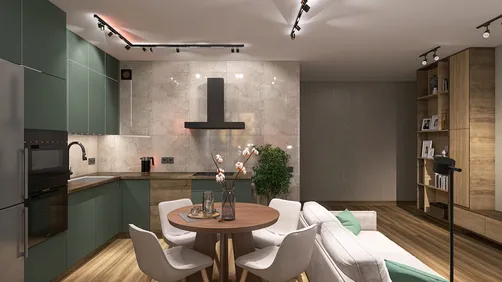
Design Logic: Emphasizing the social hub—living and dining areas—while positioning bedrooms as tranquil spaces on the periphery, reflects emerging flexible work-life paradigms.
Flow: The layout intuitively guides movement from the entryway to a drop zone, through the kitchen, and into the living area; private corridors branched like limbs to maintain a smooth separation between work and leisure.
Sightlines: Diagonal perspectives interlink the kitchen, balcony, and hallway, prioritizing spatial clarity over chaotic open layouts.
Storage: Wall-depth pantries and corridor shelving operate efficiently as storage lines located near points of use, thus minimizing retrieval delays.
Furniture Fit: Sofa arrangements and a dining table for 6–8 integrate seamlessly with door swings and designated plug-in areas; bed sizes are optimized to allow for unobstructed pathways of 750–900 mm along the sides.
Verdict: This design is scalable, adapting as family needs evolve—while the social hub remains consistent, peripheral areas can change functions over the course of five years.
save pin
Dual-Aspect Living + Split Master Suite
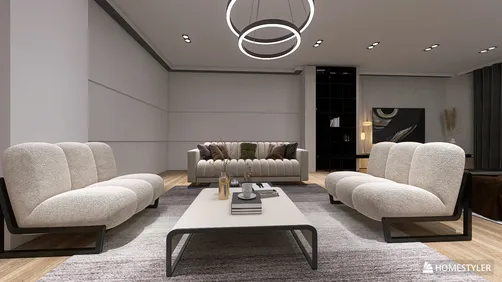
Design Logic: Two exposure orientations within the living area balance light energy and thermal dynamics; the master suite separates sleep and productivity like distinct micro-services.
Flow: Transitioning from the balcony to the living area leading to a pocket study, with a buffered entry to the master bath; children’s bedrooms are set apart to minimize noise conflicts.
Sightlines: Layered views: street, greenery, followed by calming interior elements; this information organization aids in alleviating decision fatigue.
Storage: The master wardrobe functions as a long storage wall; children’s rooms utilize modular bins arranged vertically for quick access.
Furniture Fit: The work desk is aligned with window mullions; the king size bed maintains clear pathways that adhere to logical door arcs.
Verdict: As lifestyles become increasingly fragmented, this design reinforces clarity—light, focus, and tranquility converge to create a stable framework for adapting routines.
save pin
Kitchen Spine + Convertible Third Bedroom
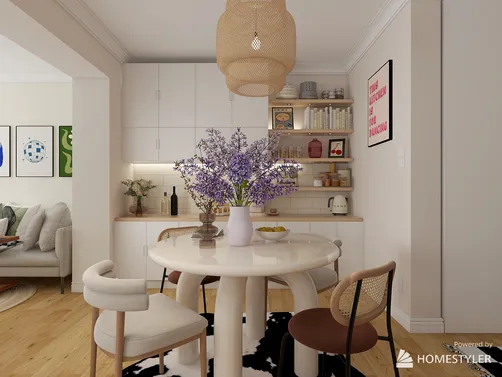
Design Logic: A galley or L-shaped kitchen functions as the service core; the third bedroom can transform between serving as a guest area, studio, or wellness space.
Flow: The entry leads to utilities, then the kitchen flows into dining and living areas, culminating in the adaptable room—functioning like a command hub.
Sightlines: Framed sight lines unveil task-oriented zones while eliminating visual clutter; the convertible room presents as a subtle tile on the user interface grid.
Storage: Toe-kick drawers, tall cabinets, and laundry towers enhance capacity through strategic vertical organization—high-density yet frictionless.
Furniture Fit: A Murphy bed creates space for mat usage, while dining furniture aligns within a 900 mm circulation area to allow smooth transitions.
Verdict: This layout adapts fluidly for various functions—entertaining, healing, or creating—ensuring future-proofing without the necessity for increased square footage.
save pin
Final Takeaway
An effective 3-bedroom apartment floor plan should operate like an intelligent user interface—featuring seamless flows, innovative storage solutions, and thoughtful sightlines that consider the future. Following the principles encouraged by Homestyler, the most successful layouts focus on intentionality rather than only space size, facilitating hybrid work, care, and community interactions. The enduring lesson for family apartments is that adaptability is prioritized over mere expansion, with spatial selections functioning like deliberate code adaptations in daily life. From my perspective, the most sophisticated homes of the future won’t be about increased dimensions—rather, they will be about precision in design.


Discover Homestyler, the ultimate home design platform for anyone eager to transform their space. With user-friendly online design tools, stunning 3D renderings, a rich library of design projects, and engaging video tutorials, you can easily create and visualize your dream home in no time!