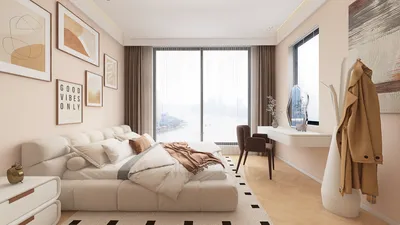


Round tables can revolutionize small spaces by providing a subtle yet effective design solution. Their smooth, continuous edge eliminates the visual and physical barriers that corners create, promoting an easier flow of movement and creating a gentler focal point in the room. In the compact dining areas and studio apartments I've designed, the lack of sharp edges minimizes potential bump points, allowing for smoother chair movement, which is particularly important near doorways or narrow corridors. Using tools like Homestyler can help visualize these advantages when planning your layout.
Research consistently supports the benefits of improved circulation and spatial clarity. The WELL v2 framework emphasizes unobstructed pathways as a crucial aspect of movement and ergonomics for healthier interiors. This reinforces the notion that soft, continuous shapes, like those of round tables, facilitate easier navigation in tight spaces (refer to WELL v2 performance concepts for more insights). Additionally, Steelcase's findings indicate that environments accommodating fluid movement and flexible configurations enhance occupant comfort and engagement—perfectly aligned with the way round tables allow for quick reconfiguration in versatile rooms (see Steelcase Research).
The Impact of Round Tables on Spatial Flow
In compact areas, every square inch is precious. A circular table eliminates the corners that often obstruct movement, making it easier to maneuver around the table and transition to adjacent spaces or add seating when needed. In a dining nook measuring 9–10 feet, a 36–40 inch round table frequently surpasses a similarly sized square one in functionality, providing clearer sightlines and fewer snag points at chair corners. When dealing with tight layouts, opting for a compact pedestal base instead of a traditional four-legged table can free up knee space and diminish visual clutter, further enhancing circulation.
Ideal Sizes and Seating Capacities
For daily use in smaller homes, a round table measuring 30–36 inches comfortably accommodates two people. If you scale up to 36–40 inches, you can fit 3–4 guests using armless chairs. A 44–48 inch diameter can seat approximately 5–6 individuals, depending on the chair width and the table's base design. My advice: ensure a minimum of 36 inches clearance between the table's edge and surrounding walls or large furniture; 42–48 inches is optimal if there’s a primary pathway behind the seats. These recommendations align with standard ergonomic principles for movement and accessibility in residential environments.
Pedestal Bases Versus Four-Leg Bases
In limited spaces, pedestal bases often stand out as the top choice. Their central support column minimizes interference with chair legs, allowing for easy adjustments to seating arrangements. While four-leg bases can also work well, they necessitate careful chair selection to avoid conflicts at the corners. When spaces need to adjust—from a solo workspace to accommodating dinner for four—the pedestal’s advantage in knee room becomes quite evident.
Round Tables Foster Visual Tranquility
Circular shapes inherently create a softer aesthetic and alleviate visual tension in small areas. They serve as a calm focal point where sharp lines and edges can accumulate. From a color psychology perspective, rounded designs pair seamlessly with warm neutrals to enhance approachability and social interaction; using matte finishes further reduces glare, ensuring comfort for both task and ambient lighting. Insights from Verywell Mind emphasize that warm color palettes can encourage friendliness; pairing subtle warm tones with a round table can create a more inviting atmosphere in tight spaces.
Lighting Considerations for Your Space
Lighting should complement both the form and function of the space. A centrally placed pendant light above a round table ensures even light distribution and minimizes shadows (as there are no corners to cast them). Aim for 300–400 lux on the tabletop for dining and casual activities, with warm-white lighting between 2700–3000K for evening meals. To manage glare, consider using diffusers or low-gloss finishes; the IES recommends balanced luminance, so avoid direct, high-output lights positioned at eye level.
Material Selections for Smaller Environments
In constrained spaces, opt for materials that reflect light without being overly shiny. Satin-finished wood, honed stone, or low-sheen laminate provide soft reflections. If the table also serves as a work surface, prioritize high-pressure laminate or solid wood with a durable finish. For sound management, a wood surface with a slight edge radius can dampen noise compared to glass, and felt seat pads can also help to mitigate sound levels.
Effective Space Planning and Layout Tips
Place a round table where traffic naturally converges—often at the intersection of kitchen and living areas in open layouts. To allow for flexible seating, plan for at least 24 inches of clearance on the sides for chair movement and 36 inches for passage. In micro apartments, consider situating the table next to a bench or banquette to optimize one side while maximizing the available space on the other. Using a room layout tool, such as Homestyler, can quickly help visualize chair placement, clearances, and traffic flow.
Psychological Benefits of Round Tables
Round tables encourage equal seating—eliminating the head-of-the-table hierarchy—which is beneficial in collaborative or family environments. Extensive research from Steelcase and Herman Miller illustrates how spatial arrangements can influence interaction; in practice, circular seating fosters eye contact and reduces perceived hierarchy. In small homes that also serve as work-from-home spaces, this equilibrium supports smoother discussions and informal meetings without requiring additional space.
When Round Tables May Not Be Suitable
In instances where a defined edge is necessary for wall alignment or when expandable leaf options are required, a compact rectangular or oval table might be more appropriate. In exceptionally narrow rooms (less than 6 feet wide), a wall-hugging rectangle can help maintain a central aisle. A small square bistro table can also be a good fit for corner installations. Always prioritize the room's circulation pathway; the table should enhance, not hinder, movement.
Quick Sizing Overview
- 30–32 inches in diameter: seats 2 in micro kitchens
- 34–36 inches: accommodates 2–3 in a tight dining nook
- 36–40 inches: fits 3–4, ideal for small apartments
- 44–48 inches: seats 4–6, ensuring 42–48 inches of clearance around
Frequently Asked Questions
Yes, the absence of corners greatly facilitates circulation and chair arrangement in limited spaces, particularly around doors or walkways. A round table measuring 36–40 inches can accommodate 3–4 guests with fewer obstruction points compared to a similar-sized square table.
A 36-inch table is ideal for two regular users with the possibility of an occasional third. If you anticipate hosting larger gatherings, consider upgrading to 40–42 inches with a pedestal base to enhance knee space.
Maintain a 36-inch clearance between the table edge and walls or large furniture; increase this to 42–48 inches along primary walkways for comfortable passage behind seated guests.
Absolutely. Centralizing support with a pedestal base eliminates corner interference, allowing for smoother pullbacks and side entries in compact layouts.
A single pendant light centered over the table, designed to provide around 300–400 lux at 2700–3000K, is optimal. Employ diffusers or matte finishes to minimize glare according to IES recommendations for balanced luminance.
Round shapes lessen visual tension and enhance social interactions. When paired with warm-neutral shades, a round table can transform a compact space into a more inviting area.
Yes, using a durable, low-gloss surface (such as laminate or solid wood) along with task lighting of 400–500 lux can ensure efficient work periods.
In narrow cases, a rectangular or oval table can align against a wall to keep a central aisle free. Alternatively, a small square bistro table can effectively occupy corners.
For hosting needs, a round-to-oval extension may be viable. Just ensure there's adequate clearance for the extended size and choose a stable base that supports additional weight.
Plan your chair clearance and arcs. Digital interior layout software can assist in visualizing circulation and seating density in mere moments—consider utilizing Homestyler for scenario testing.

Homestyler is your go-to online home design platform, offering a user-friendly design tool, stunning 3D renderings, and a wealth of inspiring design projects. Dive into DIY with engaging video tutorials that make home styling accessible and enjoyable for everyone!
Дизайн сейчас бесплатно
































