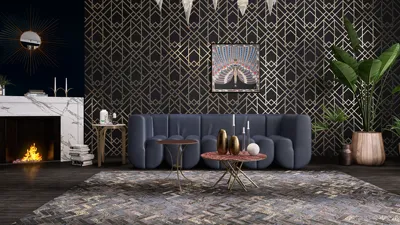


When I consider hall rooms, which serve as vibrant and widely-used social areas, I view them as performance spaces where color significantly influences ambiance, movement, and comfort. An effective color scheme can harness natural light, minimize glare, and create harmony with the tones of various materials, from flooring to fabrics. In open-concept homes, strategically chosen colors can also assist in guiding individuals and subtly designating different sections without the need for physical barriers.
The power of color extends to our behavior and stress responses. Insights compiled by Verywell Mind suggest that blue is linked to feelings of calmness and stability, while warmer colors tend to boost energy levels—a beneficial trait for areas meant for socializing. Studies conducted by Steelcase in workplace environments—applicable to living spaces—indicate that settings that balance visual stimulation with restorative qualities enhance focus and encourage social interactions. Using a neutral base paired with accent colors can help achieve this balance. Additionally, lighting plays a crucial role, with IES guidelines recommending residential ambient illumination ranging between 100–300 lux to keep living areas comfortable; thus, color choices should reflect these illumination standards and LED color temperatures (2700–3000K for softer, inviting hues).
In curating the color palette for a hallway, I begin with three fundamental elements: the light environment (measured in lux, color temperature, and glare), the primary tones of materials (such as wood, stone, and metal), and the rhythm of usage (like daytime gatherings versus evening relaxation). If your space contains elements like a sectional sofa, a media wall, and a dining extension, color zoning can be both visually distinct yet cohesive—consider utilizing neutral bases with controlled contrasting accents. To experiment with layouts, employing a room layout planner, such as Homestyler, allows you to visualize the color by regions prior to making any commitments.
Modern Minimal: Soft Neutrals with Charcoal Contrast
Opt for warm white walls (like an off-white with a hint of beige) to complement wooden floors and soften the LED's 2700K light. Incorporating charcoal on the TV wall or built-in units can anchor the visual space and diminish screen glare. Introduce texture through materials like linen, boucle, and matte ceramics, and add one rich accent—such as deep forest green cushions or a rust-colored throw—to give the design depth and liveliness.
Warm Contemporary: Greige, Clay, and Brushed Brass
Walls painted in greige harmonize beautifully with clay-hued niches and brushed brass lighting fixtures. This palette creates an inviting warmth for evening use while appearing sophisticated during daylight hours. If the hallway connects to a dining area, reflect the clay color in art frames or chair upholstery for visual unity. Lighter ceiling colors help maintain an illusion of height.
Scandinavian Calm: Powder Gray, Oak, and Sky Blue
Use a powder gray base with natural oak furniture to generate soft contrasts. Introduce sky blue accents through wool cushions or around a rug border for an airy feel; the calming effects of blue are well-established in color psychology. Ensure plentiful diffuse lighting—utilizing sheer curtains to avoid stark shadows and glare—and favor matte finishes over glossy to keep the palette subtle.
Timeless Classic: Cream, Navy, and Antique Gold
Timeless hallways radiate elegance with cream-colored walls, navy millwork, and antique gold hardware. Navy tones provide robust grounding for built-ins, while cream maintains brightness, and gold infuses warmth without being overly bold. Achieve balance with textured neutrals like herringbone wood and wool rugs along with layered lamps to create a warm glow within the 2700–3000K range. This color combination feels suitable for formal occasions yet remains relaxed with mixed textiles.
Earthy Modern: Sage, Sand, and Terracotta
Leveraging sage green walls infuses a nurturing, biophilic essence; pair this with sand-colored upholstery and terracotta ceramics. Keep black features minimal—utilizing delicate metal frames or lamp bases—to shape the area without overwhelming contrasts. Integrating a plant corner prolongs the color narrative while enhancing acoustic properties through soft foliage that absorbs high-frequency sounds.
Bold Eclectic: Deep Teal, Mustard, and Walnut
For a space full of personality, opt for a standout deep teal accent wall balanced with mustard-colored textiles and walnut storage solutions. Teal offers a refined look under warm lighting, while mustard injects energy ideal for gatherings. Use patterns sparingly—perhaps on one chair or pillow—to avoid overwhelming the visual composition. Acoustic rugs and fabric panels can effectively moderate sound in more vibrant environments.
Light and Airy: Ivory, Blush, and Pale Sage
Walls and ceilings in ivory amplify natural light; pairing them with blush and pale sage provides a soft warmth. This combination works particularly well in compact hallways where reflective surfaces are essential. Soften metallic accents—opting for brushed nickel or champagne—to evade harsh reflections. If the room serves as a corridor, the pastel colors can subtly distinguish seating areas.
Monochrome Sophistication: Layers of Gray with Graphite
A monochrome hallway thrives on micro-contrasts: light gray walls, medium gray upholstery, and graphite shelving. Incorporate differing textures—like ribbed plaster, loop-pile rugs, and matte-painted doors—to keep the aesthetic engaging. Avoid cool undertones in grays if your lighting leans warm; look for neutral tints to prevent color distortion at 2700K.
Coastal Fresh: White, Seafoam, and Driftwood
Bright white walls combined with seafoam accents and driftwood elements bring a sense of clarity and ease. Introduce woven textures and gentle stripes for visual harmony. Keep cooler lamp temperatures (3000K) minimal during nighttime to sustain a cozy feel, as natural daylight will already do the work of illuminating the palette.
Urban Loft: Concrete, Black, and Burnt Orange
Embrace an industrial aesthetic with concrete-gray walls, black metal accents, and burnt orange textiles. Orange can energize social zones, while gray and black provide structural integrity. To mitigate harshness, incorporate diffused wall washers and mid-sheen paint, allowing light to soften the edges. Adding a hand-tufted rug can help reduce noise on hard floors.
Heritage Charm: Olive, Cream, and Mahogany
Olive walls offer balance with cream trim and mahogany furnishings for a grounded, classic appeal. This palette thrives in natural light; when evening falls, warm lamp light deepens the olive without dulling it. Patterned rugs and vintage brass pieces solidify the overall aesthetic, with dark wood or black frames keeping the artwork consistent throughout.
How to Build Your Palette Intelligently
- Begin with the undertones: hold paint samples next to your flooring and sofa fabrics under both natural light and 2700–3000K illumination.
- Manage luminance contrast by targeting a ratio of 2:1 to 3:1 between dominant surfaces and major furnishings to ensure visual comfort.
- Select a major (70%), minor (20%), and accent (10%) color for a stable distribution throughout your space.
- Define areas: utilize an interior layout tool to explore transitions between different functional zones, like seating and media before you paint.
Lighting and Color: Practical Pairings
- Warm whites (2700–3000K) enhance clays, creams, terracotta, and brass.
- Neutral LED lights (3500K) harmonize well with grays, navy, and teal without altering their appearance.
- Aim for ambient illumination around 100–300 lux for comfortable living, per IES recommendations; complement it with task lighting (400–500 lux) in reading areas.
- Favor matte or eggshell finishes to prevent glare in media spaces.
Material Coordination and Sustainability
Color and material go hand in hand. Test wood samples against paint colors; oak pairs nicely with warm whites and sage shades, while walnut complements navy and teal beautifully. Opt for low-VOC paints and durable fabrics; lighter shades might show wear quickly, so consider performance textiles in high-traffic areas. If sound is a concern, rely on textured wall coverings and wool blends to not only absorb sound but also enhance the visual depth of your color palette.
Common Mistakes and Quick Fixes
- Avoid oversaturating walls and upholstery—limit bold choices to one per space.
- Be mindful of light temperature; colors can shift under LED light, so always test them at night.
- Don’t forget about floor contrast—utilize area rugs to transition between intense wall and furniture colors.
- Pay attention to trim color—a warmer or cooler trim can significantly refine your whole palette.
FAQ
Using warm off-white or soft ivory helps keep the space feeling open while supporting lighting within the 2700–3000K range. Introduce subtle accents through textiles to maintain interest without flatness.
Apply the 70/20/10 formula: a dominant neutral for your walls (70%), a mid-tone for your larger pieces (20%), and one vibrant accent (10%). Reserve accents for smaller decorative items.
Colors like warm whites, greige, sage, and navy pair beautifully with the yellow-brown tones of oak. Always test color samples in natural light to ensure they work in harmony.
Accent colors can certainly be utilized, but limit them to specific features—like built-ins or a single wall—and boost ambient light near 200–300 lux using warm tones.
Matte or eggshell finishes help diminish glare and reflections, increasing comfort during media viewing.
Warm LED lighting (2700–3000K) enhances warm neutrals; cooler LEDs may result in a muted appearance. A neutral temperature of 3500K keeps grays and blues true. Testing swatches under the intended lighting is always advised.
Combining sage with sand, powder gray with oak, or cream with navy provides both stability and warmth. Shades of blue and green are often associated with calmness in color theory.
Assign a tonal family to each area (a neutral shell and one accent) and ensure there is at least one color hue common to each transition. A room design visualization tool, like Homestyler, can assist in testing these boundaries.
These colors can certainly bring character when moderated by neutral tones (white, walnut, graphite). Maintain neutrality on primary surfaces and reserve bold colors for more easily changeable pieces.
Utilizing mid-tone neutrals (such as greige or powder gray) with restrained accent schemes can alleviate visual chaos. Consistency in trim color across various openings adds a degree of order.
While color itself doesn’t absorb sound, implementing textiles and wall coverings in your chosen palette—like wool rugs or textile panels—will effectively reduce echo while blending seamlessly.
Brushed brass, antique gold, and champagne-toned nickel beautifully complement creams, clays, and terracotta without harsh highlights.

Looking to transform your space? Homestyler is your go-to online home design platform! With an intuitive design tool, stunning 3D renderings, and a wealth of DIY video tutorials, it empowers you to create beautiful interiors effortlessly. Start designing your dream home today!
Дизайн сейчас бесплатно
































