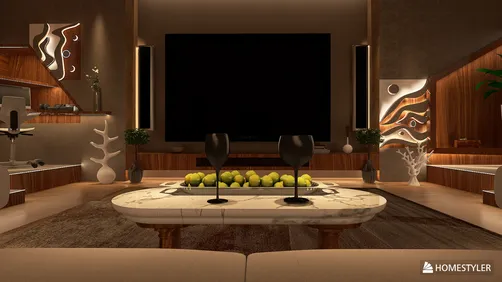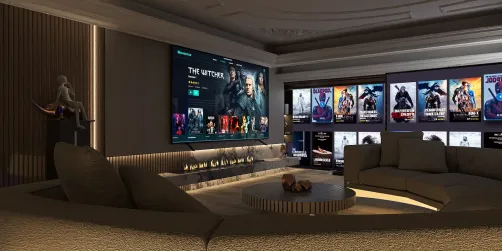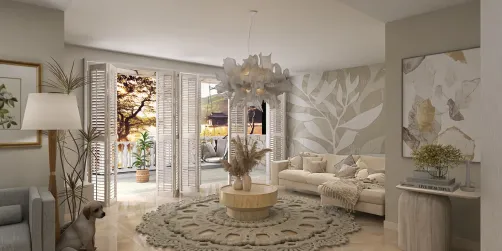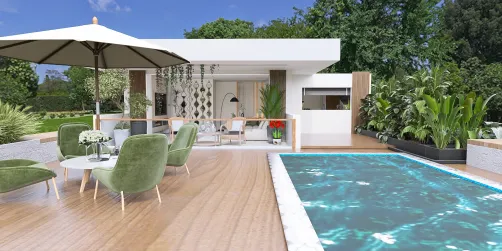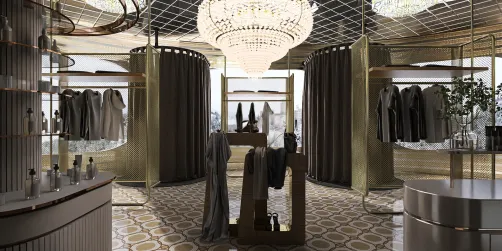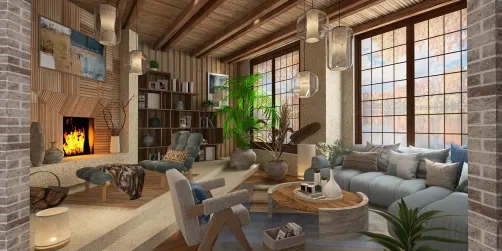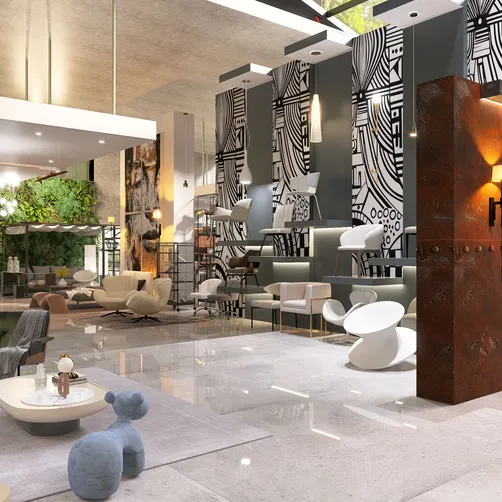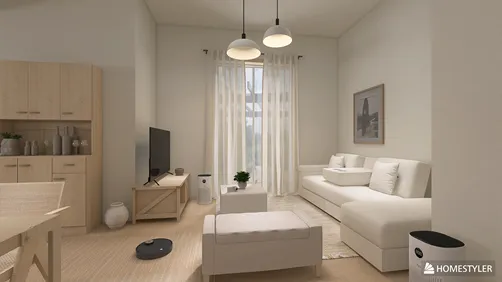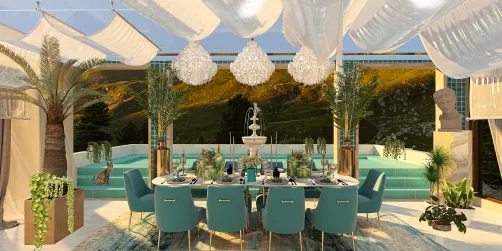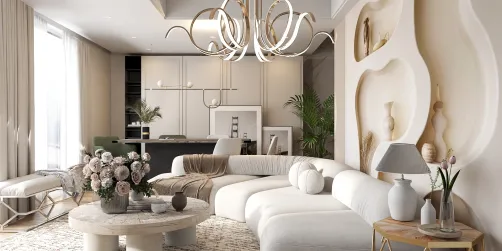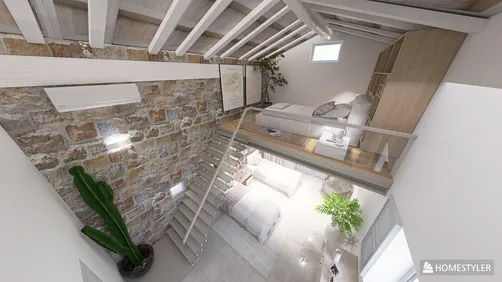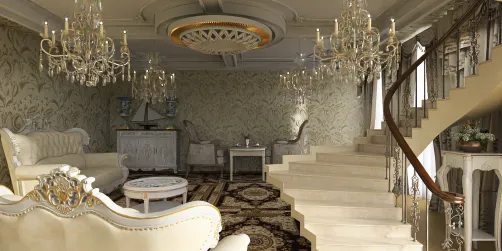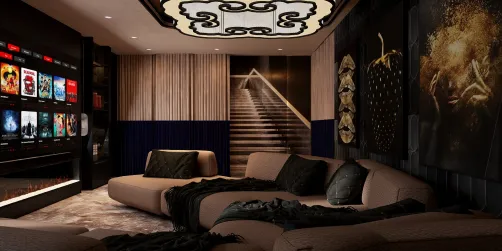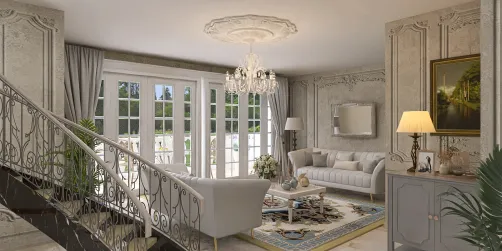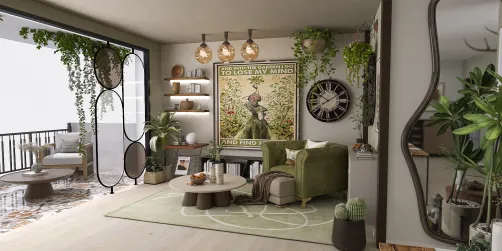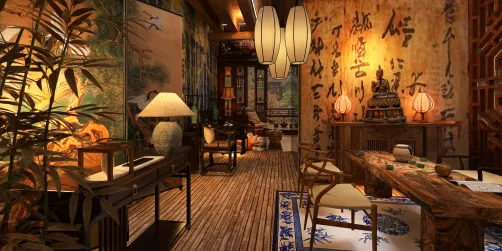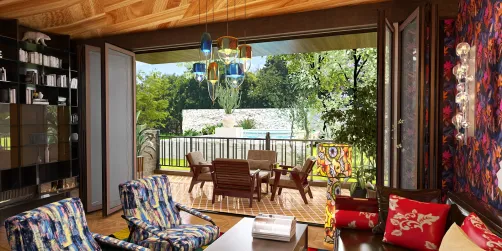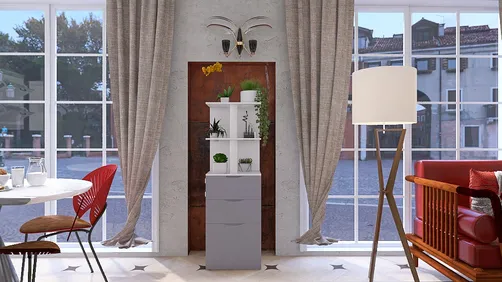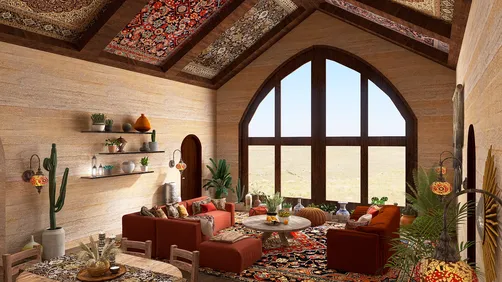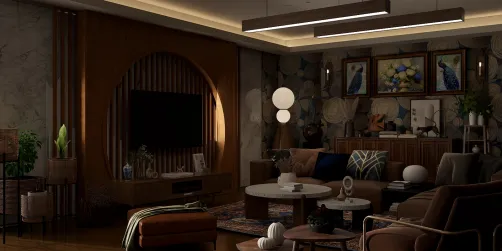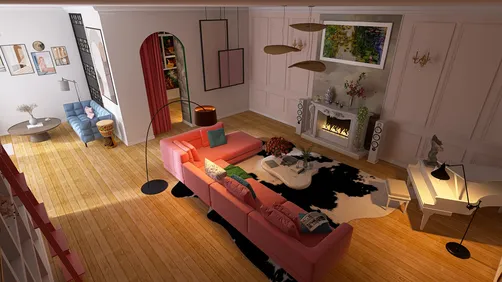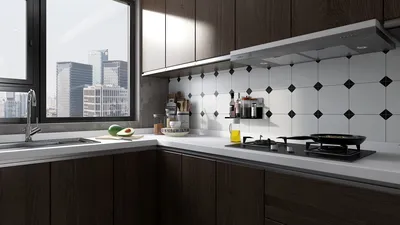
Off-white spaces exude a subtle allure. The appropriate undertone, varied textures, and well-adjusted lighting elevate a seemingly straightforward color scheme into an elegant backdrop that enhances furniture, artwork, and everyday experiences. In my recent projects, I have observed how off-whites can amplify brightness and tranquility without the coldness associated with pure white, particularly when complemented by warm woods, matte metals, and inviting fabrics, particularly when using tools like Homestyler for visualization.
Comfort that is thoughtfully measured is essential. WELL v2 suggests incorporating multiple layers of lighting and ensuring quality color rendering to cater to visual and circadian needs, emphasizing that effective lighting design is directly linked to comfort and satisfaction in inhabited environments (source: WELL v2 – Light concept, v2.wellcertified.com). Research from Steelcase further indicates that control over environmental quality impacts focus and well-being, with flexibility in posture, lighting, and sound management correlating with improved engagement (steelcase.com/research). These insights inform my choice of off-whites: ensuring hue stability across various lighting conditions, balancing reflectance levels to minimize glare, and selecting tactile materials that help absorb sound and soften visual edges.
Exploring Off-White: Undertones, LRV, and Context
Off-whites exhibit varied behaviors. Pay special attention to their undertones—whether warm (such as cream, ivory, or linen), neutral (like stone or chalk), or cool (for example, pale dove or soft pearl). A Light Reflectance Value (LRV) between 72 and 85 typically keeps interiors bright without appearing sterile. Higher LRVs may result in glare in sun-drenched areas, especially on reflective surfaces; hence, I prefer using eggshell or matte finishes on walls to prevent intense reflectance spots, reserving satin for trim. In spaces with north-facing light, warm off-whites can counteract dullness; conversely, in south-facing rooms, neutral or slightly cooler off-whites can mitigate the yellow cast during midday.
Lighting for Off-White: Color Temperature, CRI, and Glare Management
In living spaces, I aim for 2700–3000K ambient lighting to retain warmth and accurately reflect skin tones, with a Color Rendering Index (CRI) of 90 or above to maintain the integrity of off-white undertones. Task lighting can range from 3000–3500K at 300–500 lux for activities like reading or food preparation. The Illuminating Engineering Society (IES) advocates for a combination of ambient, task, and accent lighting to attain functional brightness while controlling glare (ies.org/standards). Dimmer switches lower brightness contrast in the evening, helping to prevent off-white walls from appearing overly intense. A softly colored matte ceiling (with an LRV near 85) can distribute light uniformly, while wall-washing techniques can enhance visual height without creating sharp edges.
Furnishing Within an Off-White Framework: Warmth, Contrast, and Design Rhythm
In neutral settings, maintaining a rhythm and contrast helps capture visual interest. I implement a 60-30-10 ratio: 60% off-white walls, 30% mid-toned woods or textured upholstery, and 10% accent colors or metallic elements. Materials like walnut, white oak, and ash add warmth and detail, while boucle, wool, and linen introduce depth without visual clutter. Fixtures in black or oil-rubbed bronze offer sharp punctuation. It's essential to keep a consistent sheen hierarchy—matte walls, low-sheen furnishings, and satin metals—to ensure the space remains harmonious rather than overwhelming.
Ergonomics and Human Factors: Comfort You Can Experience
The colors you choose set the ambiance, while ergonomics dictate behavior. A neutral palette invites longer stays, so seating should comfortably support durations of 2–3 hours, with lumbar contouring, and coffee tables should ideally be positioned at a height of 16–18 inches for easy access. In workstations, ensure monitor height is aligned with the user’s eye level (20–28 inches from the face), and place task lighting to avoid shadows on the dominant hand. Such thoughtful adjustments can minimize fatigue that even the most beautiful colors cannot mask.
Acoustic Comfort in Soft Neutrals
Off-white rooms can appear echoey if all surfaces are hard. Incorporate a variety of acoustic treatments: consider a wool or jute rug, lined curtains, upholstered panels, and bookshelves to disrupt parallel surfaces. Aim for an RT60 (reverberation time) between 0.4 and 0.6 seconds in living areas; there’s no need for sophisticated equipment—simply listen for echoes and address them with textiles in the reflection zones. Textured off-white wall coverings can offer better sound absorption than paint while also adding visual intrigue.
Understanding Color Psychology: Calmness Without Monotony
Subtle neutral shades can lessen cognitive load and promote relaxation, especially when mixed with organic textures. Studies in color psychology suggest that softer, low-saturation hues can decrease overall arousal and support focused calmness (verywellmind.com/color-psychology). To avoid monotony, introduce slight contrasts: a pallid putty against creamy moldings, a soft linen sofa paired with chalky walls, or aged brass next to bone-colored plaster. The end result conveys tranquility with a sense of depth.
Material Selection and Sustainable Practices
Opt for low-VOC paints and finishes to ensure that neutrals are genuinely breathable. Natural fibers—such as linen, wool, and cotton—age gracefully and reflect light beautifully. When selecting case goods, prioritize FSC-certified woods with natural oil finishes for a stealthy sheen. Using mineral paints or limewash adds dimension through micro-variations; in busy areas, a scrub-resistant matte will maintain a soft appearance without requiring constant upkeep.
Strategizing Layouts for Off-White Rooms
The layout significantly influences how light interacts within a space. Position furniture away from walls to foster negative space and reduce wall bounce glare. Ensure main circulation areas maintain a clear path of 36 inches, framing sightlines towards a focal feature—be it textured artwork, a fireplace, or a sculptural light fixture. When experimenting with arrangements, employing a room layout tool can aid in simulating traffic flow, natural light angles, and fixture placements before final decisions are made. Consider utilizing a tool designed for interior layouts, such as Homestyler, to visualize scaling and proportions with your selected off-white scheme.
2024-2025 Trends in Off-White Interiors
I am witnessing an emergence of layered neutrals combined with tactile materials like plaster, microcement, and boucle; tonal stone selections (limestone, travertine) accented with matte black; and flexible lighting schemes that transition from 3000K during the day to 2700K at night. Curved forms and low-slung furnishings soften boxy spaces, while slim fluted wood trims create playfulness through shadow without overwhelming patterns. While off-white continues to serve as a base, the emphasis shifts towards texture and illumination.
Room-by-Room Recommendations
Select a warm off-white with an LRV around 78-82. Anchor the room with a textured rug, then incorporate one darker grounding element, such as an ebony coffee table or black-framed artwork, to anchor the space. Accent with elements in aged brass or patinated nickel for a warm glow.
Opt for warm color temperatures. Linen drapes that are slightly deeper than the wall color can add richness. Utilize upholstered headboards to absorb sound and maintain a tactile color scheme. Aim for 150-200 lux of ambient light, and 300 lux at the bedside for reading.
Timelessness is achieved with neutral off-white cabinets complemented by light oak accents. Employ high-CRI under-cabinet lighting around 3000-3500K to ensure the accuracy of food colors. Balance glossy tiled surfaces with matte countertops to avoid glare build-up.
Combine off-white walls with natural stone or terrazzo features. In moisture-prone areas, select satin or eggshell paint finishes, and choose mirrors with a CRI above 90 paired with side lighting to prevent shadows. Ensure that the grout is slightly warmer than the tile color for a cohesive look.
Common Pitfalls to Avoid
- Applying a singular flat white throughout can lack depth and variety in undertones.
- Excessive gloss on surfaces increases glare and showcases imperfections.
- Neglecting the orientation of daylight can lead to unexpected color changes: cool tones in northern light, warm tones in southern exposure.
- Overlooking the necessity for dimmable and task-specific light layers—off-white walls need versatile lighting to thrive.
- Ignoring the significance of texture; spaces lacking texture may feel incomplete.
Fashionable Color Palettes That Work Well
- Warm Ivory Palette: creamy walls, natural oak flooring, aged brass fixtures, oatmeal linen seating, camel leather details.
- Neutral Chalk Palette: chalky walls, travertine tabletops, boucle armchairs, black steel lamps, off-white wool carpets.
- Cool Pearl Palette: pearly walls ideal for sunny exposures, ash wood accents, brushed nickel, dove-gray fabrics.
A Step-By-Step Guide: From Swatch to Reality
1) Gather 4-6 off-white paint samples across warm, neutral, and cool categories. 2) Apply samples to letter-sized cards and relocate them within the room at different times of day. 3) Test under the actual bulbs you plan to use (CRI ≥90). 4) Finalize your sheen choices: matte walls, satin trim. 5) Construct a texture board featuring a smooth, nubby, reflective, and natural piece. 6) Use a layout simulation tool to create a mock-up of furniture scale and flow. 7) Adjust lighting layers and dimming curves before settling on a final color.
Frequently Asked Questions
Q1: How do I choose the ideal off-white for a room facing north?
A: Opt for warmer tones to counteract the cool daylight—consider cream or linen with a hint of yellow or red undertones, maintaining an LRV of around 78-82. Test color samples in the morning sun to ensure they do not turn gray.
Q2: Which color temperature is most compatible with off-white walls?
A: For ambient lighting aimed at preserving warmth and natural skin tones, utilize a range of 2700-3000K; for task areas, such as kitchens, aim for 3000-3500K, with a CRI of 90 or above to maintain undertone accuracy.
Q3: How do I avoid my off-white space from feeling one-dimensional?
A: Layer various textures (such as linen, wool, and plaster), incorporate slight contrasts (like dark bronze or black accents), and vary the sheen levels—matte walls against satin metals and low-sheen woods—to create interest without overcrowding the space.
Q4: Which types of wood work well with off-white colors?
A: Versatile options include white oak, ash, and walnut. Oak and ash showcase grain patterns for added texture, while walnut brings in a deeper, grounding element. Maintain matte finishes to prevent glare.
Q5: How can I minimize glare in bright, sunlit interiors?
A: Select off-whites with moderate LRVs (72-80), specify matte finishes, and employ woven shades or linen draperies, alongside wall-washers to evenly distribute light instead of using concentrated spotlights.
Q6: Is it possible to use off-white in compact areas?
A: Absolutely—off-white can create an illusion of increased space. Maintain high contrast to a minimum, strategically position mirrors, and allow for circulation paths of at least 30-36 inches to avert visual congestion.
Q7: How do I accurately perceive undertones?
A: Paint sizable sample boards and juxtapose them against white printer paper to bring out undertones. Observe the samples throughout the day under your specific bulbs (CRI ≥90) and in relation to window exposure.
Q8: How do acoustics factor into planning an off-white space?
A: Neutral colors often pair with smooth finishes, which may necessitate the addition of soft absorbers—such as rugs, curtains, and upholstered furniture—and the dispersion of sound using bookshelves or slatted wood to curb echo-effect.
Q9: Which metals enhance an off-white scheme without appearing too cold?
A: Elements like aged brass, bronze, and champagne nickel infuse warmth; polished chrome can come across as cold unless harmonized with warm textiles and wooded pieces.
Q10: What finish is most suitable for off-white kitchen cabinetry?
A: A durable satin or matte polyurethane can fend off fingerprints while maintaining a soft, contemporary feel. Pair it with a matte countertop to balance glossy backsplashes.
Q11: How can I introduce color while preserving a serene ambiance?
A: Incorporate muted accent colors, such as sage, clay, or smokey blue in your textiles and artwork. Ensure the main palette remains off-white, limiting colored accents to 10-15% of visual space.
Q12: What layout suggestions could enhance off-white walls?
A: Float a sofa to create shadow lines, maintain sightlines toward textured focal points, and utilize an interior layout planner to simulate furniture scale and pathways prior to finalizing your design.
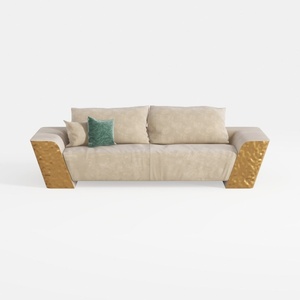

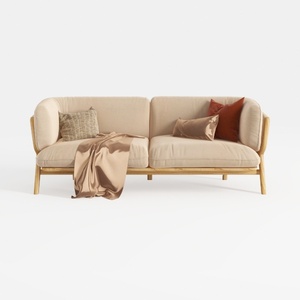
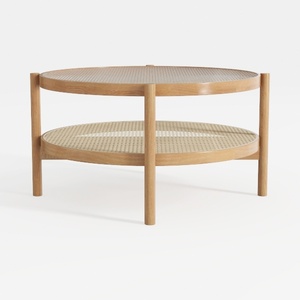
Homestyler is your go-to online home design platform, perfect for anyone looking to create stunning spaces. With its user-friendly design tool, impressive 3D renderings, and an extensive library of inspiring projects and video tutorials, transforming your interior has never been easier or more enjoyable.